

Why Testing Your Waterproof Bluetooth Case Seal Actually Matters (Before It’s Too Late)
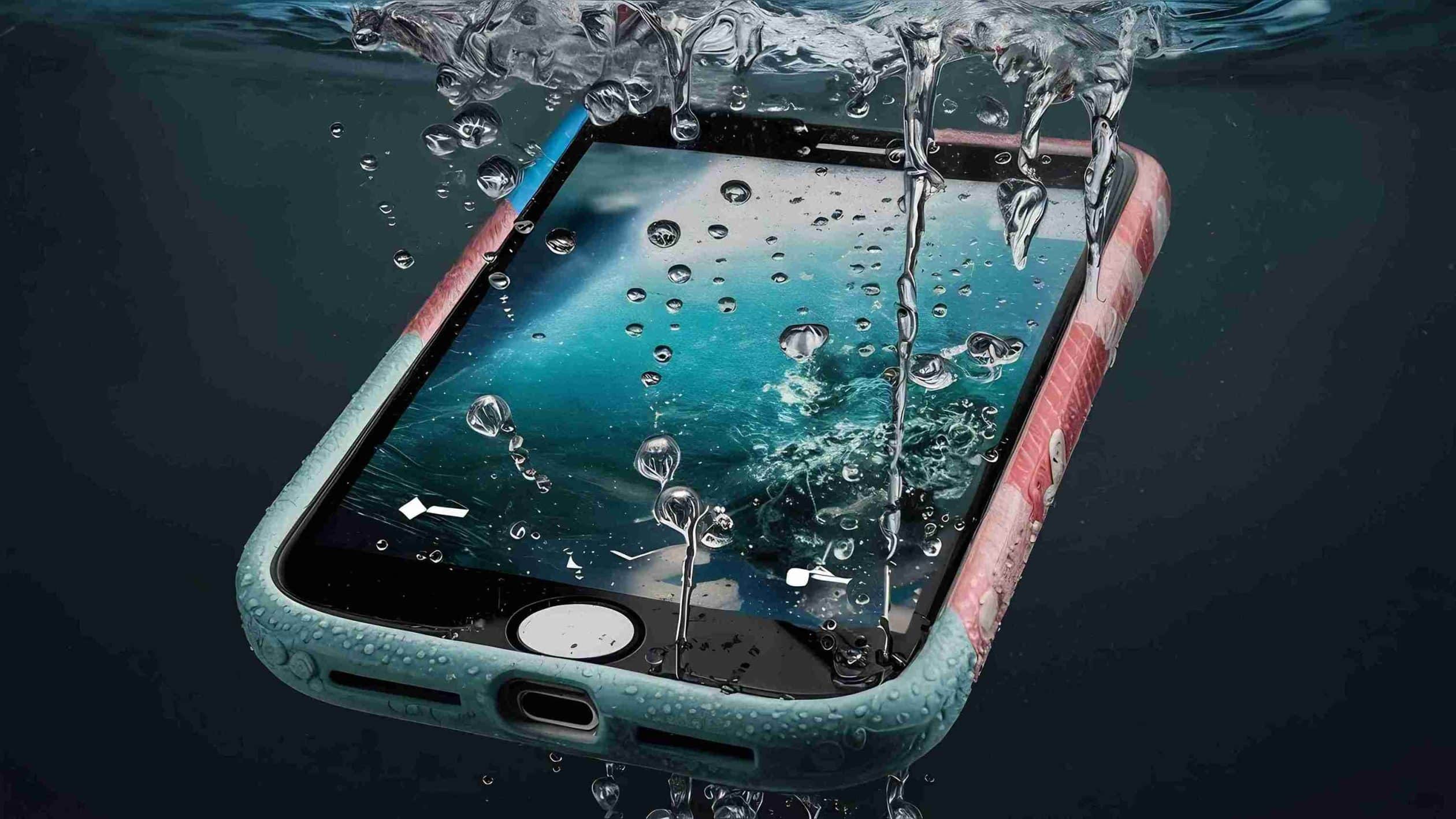
I learned this the hard way at Lake Tahoe last summer. Dropped my phone in three feet of water — case sealed perfectly, or so I thought — and pulled it out to find the screen fogging up from the inside. Turns out that tiny gap near the charging port? Yeah, that was enough.
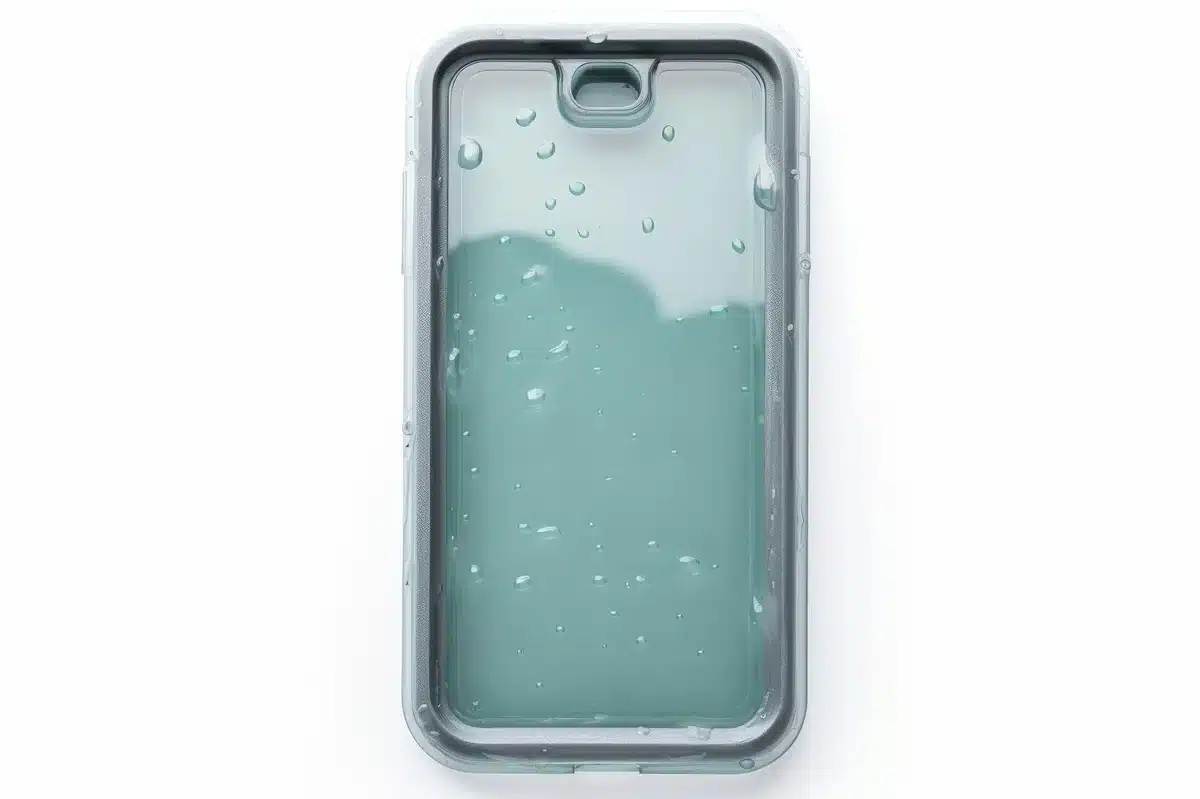
Here’s the thing most people don’t get: waterproof doesn’t mean “will definitely keep water out forever.” It means “will keep water out if everything is working exactly as designed.” And that seal around your waterproof Bluetooth phone case? It degrades. Every single time you open it, close it, toss it in a bag, leave it in a hot car.
The rubber gasket that creates the watertight barrier is basically a consumable part — like brake pads or windshield wipers. It compresses, stretches, picks up dirt and oils from your hands. After a few months of regular use, that seal might look fine but have microscopic gaps you can’t see. Water finds those gaps instantly.
So before you take your case anywhere near actual water, do this: put a paper towel inside (seriously, just a folded square of Bounty or whatever), seal the case completely, and submerge it in your sink for 30 minutes. Not two minutes. Thirty. If that paper towel comes out even slightly damp, your seal is compromised. Period.
And look — I know it feels paranoid. But replacing a $40 case beats replacing a $900 phone. I’ve seen people skip this test because “it’s brand new, it should be fine” or “I tested it last month.” Cool. Water doesn’t care about your assumptions.
The manufacturers usually recommend testing before every water exposure, which sounds excessive until you remember they’re the ones who know exactly how these seals fail. They’ve done the engineering testing. They know what happens when someone throws their case in a beach bag with sand and sunscreen residue.
Test it. Every time. It takes five minutes and costs you nothing except a paper towel.
The Paper Towel Test: How to Check Your Phone Case Waterproof Seal in 60 Seconds
So here’s the thing nobody tells you: most people test their waterproof phone case by dunking it empty or with a piece of paper inside. That’s… not actually testing anything useful.
The paper towel test is different. Way different. You’re creating a moisture-sensitive environment that mimics what happens when condensation forms inside a case — which is exactly how most “waterproof” failures actually happen. Not from catastrophic flooding. From slow moisture creep.
Fold a paper towel twice (you want it thick enough to absorb moisture but thin enough to fit). Place it inside your case where your phone normally sits. Seal the case completely — and I mean check every latch, every gasket, every snap closure like you’re prepping for actual water exposure. Because you are.
Now here’s where it gets real: submerge the sealed case in a sink or bucket of room-temperature water. Not just the bottom half. The whole thing. And leave it there for 60 seconds minimum.
Pull it out. Shake off the excess water (this part always makes me nervous even though I know the case is sealed). Open it carefully — don’t let water from the outside drip onto the paper towel, because that’s cheating and you’ll just confuse yourself.
Check that paper towel. Should be bone dry. Not “mostly dry” or “dry except for this one corner.” Completely, absolutely dry.
If you see even a tiny damp spot? Your seal is compromised. Could be a gasket that’s worn out, could be a latch that’s not catching properly, could be a grain of sand stuck in the seal from your last beach trip. Doesn’t matter what caused it — the waterproof Bluetooth phone case isn’t waterproof anymore.
And look, I test mine before every kayaking trip (I’ve been using the same Ghostek case for eight months now). Takes literally one minute. The alternative is fishing your phone out of a river while your friends film it for their group chat. Not ideal.
Real-World Seal Testing: Taking Your Bluetooth Waterproof Case from Sink to Pool
OK so you passed the tissue test in your bathroom sink. Congrats. Your waterproof Bluetooth phone case is now ready for… absolutely nothing yet.
Because here’s what nobody tells you — and I learned this the expensive way at a community pool in July — a static water test tells you almost nothing about how your case handles actual swimming conditions. You need movement. Pressure changes. Temperature shifts. The stuff that happens when you’re not just dunking your phone like a tea bag.
Start shallow. I’m talking bathtub depth, maybe 2-3 feet max. Seal your case with the phone inside (obviously), then submerge it completely for five minutes. Not four. Five full minutes by your watch. Walk away if you have to, because you’ll be tempted to check it early.
While it’s underwater, agitate it. Swish it around. Flip it upside down a few times. This mimics what happens when you’re actually swimming — water doesn’t just sit there politely against the seal, it pushes and probes and finds weak spots.
Pull it out. Dry the exterior completely (use a towel, not just a shake). Now open it carefully over a dry surface and check for any moisture inside. Even a single drop means you’re done testing and you need to figure out what failed.
If it’s still dry? Move to the pool. Same drill, but now you’re going 4-5 feet deep. The pressure difference matters more than you’d think — I’ve seen cases that were fine at 2 feet start leaking at 6 feet because the gasket couldn’t handle the compression.
And honestly, if you’re planning to take this thing snorkeling or to a water park with those massive slides, you need to test it at the actual depth you’ll be using it at. My local YMCA has a 12-foot deep end where I do my final check before any beach vacation. The lifeguards think I’m weird. They’re probably right.
One more thing: test it in cold water at least once if you’re a winter swimmer or you kayak in spring. Seals behave differently when they’re cold — they get stiffer, less flexible, more prone to letting water seep through.
What I Learned After My Case Failed — Signs Your Waterproof Phone Case Seal Is Compromised
So I lost a phone in Lake Tahoe last August. Three hundred feet from shore, maybe 8 feet down, and I watched my case — which I’d used successfully for six months — just fill up with water like a leaky bucket. The seal had failed. I just didn’t know it yet.
Here’s what I wish someone had told me: waterproof seals don’t announce their death. They just quietly stop working, and you find out at the worst possible moment — when your phone is already underwater and it’s too late to do anything except watch your screen go black.
The earliest warning sign is usually tactile. Run your finger along the seal where it meets the case body. Does it feel smooth and continuous, or can you feel tiny ridges and gaps? A compromised seal often develops these micro-separations weeks before it actually fails. I check mine every single time before I go near water now (learned that lesson the expensive way).
Visual inspection matters more than you’d think. Hold your waterproof Bluetooth phone case up to bright light — sunlight works best, but a phone flashlight works too — and look at the seal from different angles. You’re looking for:
- Discoloration or cloudiness where the seal used to be crystal clear
- Tiny cracks or splits, especially at corners where the seal bends
- Gaps between the seal and the case frame, even hairline ones
- Warping or deformation — the seal should sit flat, not buckle or wave
But honestly? The tissue test catches problems that your eyes miss. Fold a tissue into a small square, place it inside the case where your phone would go, seal it up, and submerge the whole thing in a bowl of water for 30 minutes. Pull it out and open it immediately — if that tissue has even a single damp spot, your seal is toast. Replace it or replace the case. Don’t gamble.
And here’s something nobody talks about: seals fail faster when you leave your case in hot cars. The heat makes the rubber brittle over time. Mine lived in my car’s cup holder between uses, and I’m pretty sure that’s what killed it.
Conclusion
So look — a waterproof Bluetooth phone case is only as good as its seal, and seals don’t last forever. Check yours religiously, especially if you’re dunking it regularly or leaving it in hot environments. The tissue test takes five minutes and could save you from watching your phone die in real time.
Mine failed after about 18 months of heavy use. Yours might last longer if you baby it, or it might give out sooner if you’re rough with it. Either way, treat the seal like a consumable part, not a permanent feature.
And if you do end up with water inside? Rice doesn’t work. Silica gel packets work better, but honestly, your best move is powering down immediately and hitting a repair shop within 24 hours. Prevention beats panic every single time.
Frequently Asked Questions
Q: How long does a waterproof Bluetooth phone case actually stay waterproof?
A: Most waterproof Bluetooth phone cases maintain their seal for 12-24 months with regular use — mine gave out around 18 months. The rubber gasket degrades faster if you’re constantly opening it, exposing it to chlorine, or leaving it in hot cars. Test the seal every few months with the tissue paper trick because once it fails, you won’t know until it’s too late.
Q: Can I actually use my phone underwater with a waterproof Bluetooth case?
A: Depends on the IP rating. IP67 cases can handle shallow submersion (up to 1 meter for 30 minutes), but touchscreens don’t work underwater anyway — water confuses the capacitive sensors. IP68-rated waterproof Bluetooth phone cases can go deeper (usually 2-3 meters), but you’ll still need to use physical buttons or voice commands since the screen becomes useless below the surface.
Q: What’s the difference between water-resistant and waterproof phone cases?
A: Water-resistant means it can handle splashes and rain but will leak if you dunk it. Waterproof means it’s sealed tight enough for full submersion — look for an IP67 or IP68 rating to confirm it’s actually waterproof. Marketing teams love calling everything “waterproof” when they really mean “don’t use this near a pool.”
Q: Do waterproof cases affect Bluetooth signal strength?
A: Yeah, a little bit. The extra plastic layer can reduce Bluetooth range by 15-20% — I’ve noticed my connection gets choppy around 25 feet instead of the usual 30. It’s not a dealbreaker for most people, but if you regularly wander far from your phone while streaming audio, it’ll annoy you.
Q: How much does a decent waterproof Bluetooth phone case cost?
A: Expect to pay $40-$80 for something that actually works. I’ve tested $20 Amazon specials that leaked within weeks, and I’ve used $90 LifeProof cases that lasted two years. The sweet spot seems to be around $50-$60 from brands like Catalyst or Ghostek (not sponsored, just what’s worked for me).
Q: Can I charge my phone while it’s in a waterproof case?
A: Only if it supports wireless charging — the charging port is always sealed shut on a true waterproof Bluetooth phone case. Some cheaper models have removable port covers, but opening those regularly destroys the seal faster. If you don’t have wireless charging on your phone, you’ll be pulling it out of the case every night.
Q: Will a waterproof case protect my phone if I drop it?
A: Sort of, but don’t count on it. Most waterproof cases have thinner walls than dedicated drop-protection cases because they’re optimized for sealing, not shock absorption. Mine survived a few drops onto tile from waist height, but I wouldn’t trust it from head height or onto concrete.