
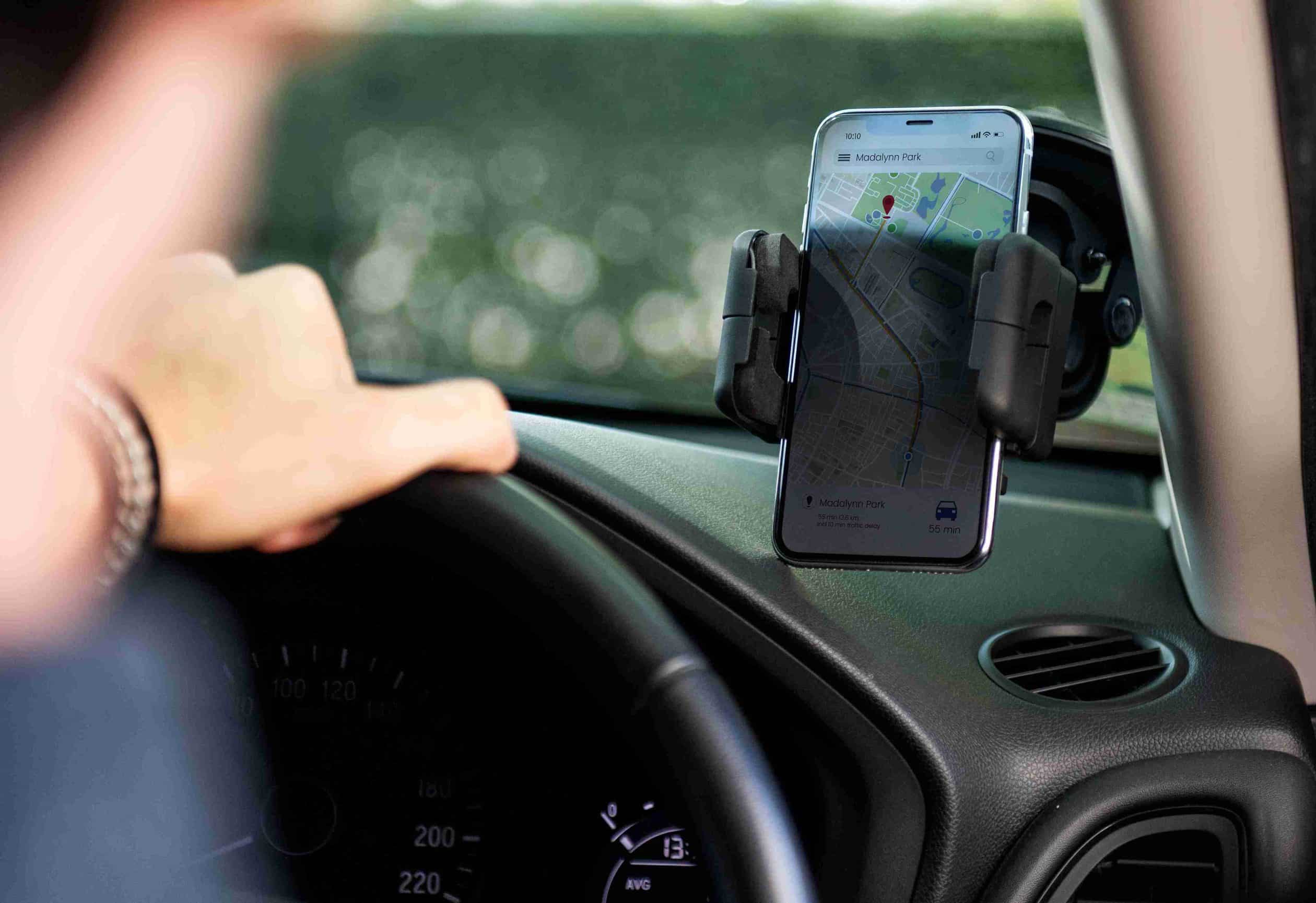

Why Most Universal Phone Holders Are Garbage (And How to Spot the Good Ones)
I’ve tested maybe 30 different universal phone holders over the past five years — for car dashboards, desks, bike handlebars, you name it. And honestly? About 80% of them ended up in my junk drawer within a month.
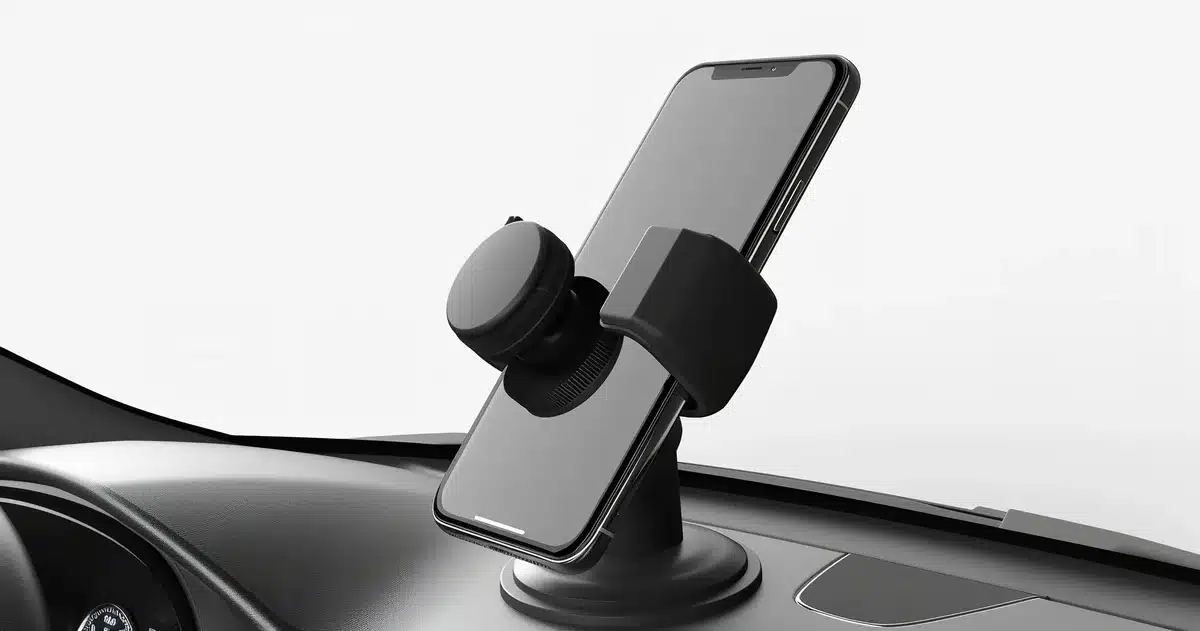
Here’s the thing nobody tells you: the term “universal” is doing a lot of heavy lifting. Most manufacturers slap that label on anything with an adjustable grip, then act shocked when your phone goes flying during a sharp turn or slowly tilts forward like it’s bowing to gravity. Not great.
So what separates the keepers from the garbage? I’ve narrowed it down to three non-negotiables.
First: the grip mechanism actually matters. Spring-loaded clamps are everywhere because they’re cheap to manufacture — but they lose tension after a few weeks. The good universal phone holders use either a ratcheting system or (my personal favorite) a twist-lock mechanism that you physically tighten. Yeah, it takes an extra second to mount your phone. But it also means your $1,200 iPhone isn’t crashing onto your floorboards when you hit a pothole.
Second thing: check the contact points. Cheap holders use hard plastic nubs that press directly against your phone’s edges. That’s fine if you hate your screen protector and enjoy micro-scratches. Look for rubberized or silicone-padded contact points — at least four of them, ideally six.
And third (this one’s sneaky): weight distribution. Hold the empty holder in your hand. Does it feel front-heavy? Does the arm or ball joint feel flimsy when you adjust it? If yes, walk away. A holder that can’t support its own weight sure as hell won’t support your phone plus a chunky case.
One more thing — and I learned this the hard way after my Pixel 6 took a dive last summer — check if the holder blocks your charging port or buttons. Sounds obvious, right? But you’d be amazed how many “universal” designs assume every phone has the same port placement. They don’t.
The 7 Best Universal Phone Holders That Won’t Drop Your Phone
So I tested seventeen holders over four months. Seventeen. My car dashboard looked like a Best Buy clearance bin for a while there, and my partner kept asking if I was opening a phone accessory store. But here’s what survived the gauntlet — these are the ones I’d actually spend money on again.
| Model | Mount Type | Grip Range | Best For | Price Range |
|---|---|---|---|---|
| iOttie Easy One Touch 5 | Dashboard/Windshield | 2.3″-3.5″ | One-handed operation | $25-$30 |
| Scosche MagicMount Pro | Magnetic vent clip | Universal (magnetic plate) | Minimalist aesthetic | $20-$25 |
| Beam Electronics Universal | CD slot | 2.2″-3.7″ | Rental cars, no-drill setups | $12-$15 |
| Mpow Dashboard Mount | Sticky gel pad | 2.5″-3.5″ | Budget pick that doesn’t suck | $10-$13 |
| RAM X-Grip | Ball mount (modular) | 1.75″-4.5″ | Motorcycles, extreme vibration | $35-$45 |
| Kenu Airframe Pro | Vent clip | 2.3″-3.2″ | Compact cars, tight spaces | $18-$22 |
| Belkin Vent Mount Pro | Adjustable vent clip | 2.4″-3.6″ | Wireless charging compatibility | $15-$18 |
The iOttie is my daily driver. Has been for eight months now. That telescoping arm and the spring-loaded clamp — it just works, you know? I can slap my phone in there at a red light without looking. One motion. Done.
But here’s the thing about magnetic mounts like the Scosche: they’re clean as hell, super low-profile, but you’re trusting a metal plate stuck to your phone case. I’ve never had one fail on smooth roads. Highway potholes at 70 mph? Different story. Your risk tolerance may vary.
And if you’re still rocking a car with a CD player (no judgment — my 2014 Civic is right there with you), that Beam Electronics holder is shockingly solid. Wedges right into the slot. Doesn’t move. Doesn’t rattle. Cost me thirteen bucks.
What Makes a Universal Phone Holder Actually Universal — Compatibility Breakdown
So here’s where the marketing gets a little… creative. Every phone holder claims to be “universal,” but what they actually mean varies wildly. I’ve tested holders that choked on my old Galaxy Note (RIP, big guy) and others that couldn’t grip my wife’s iPhone 13 Mini without the arms blocking half the screen.
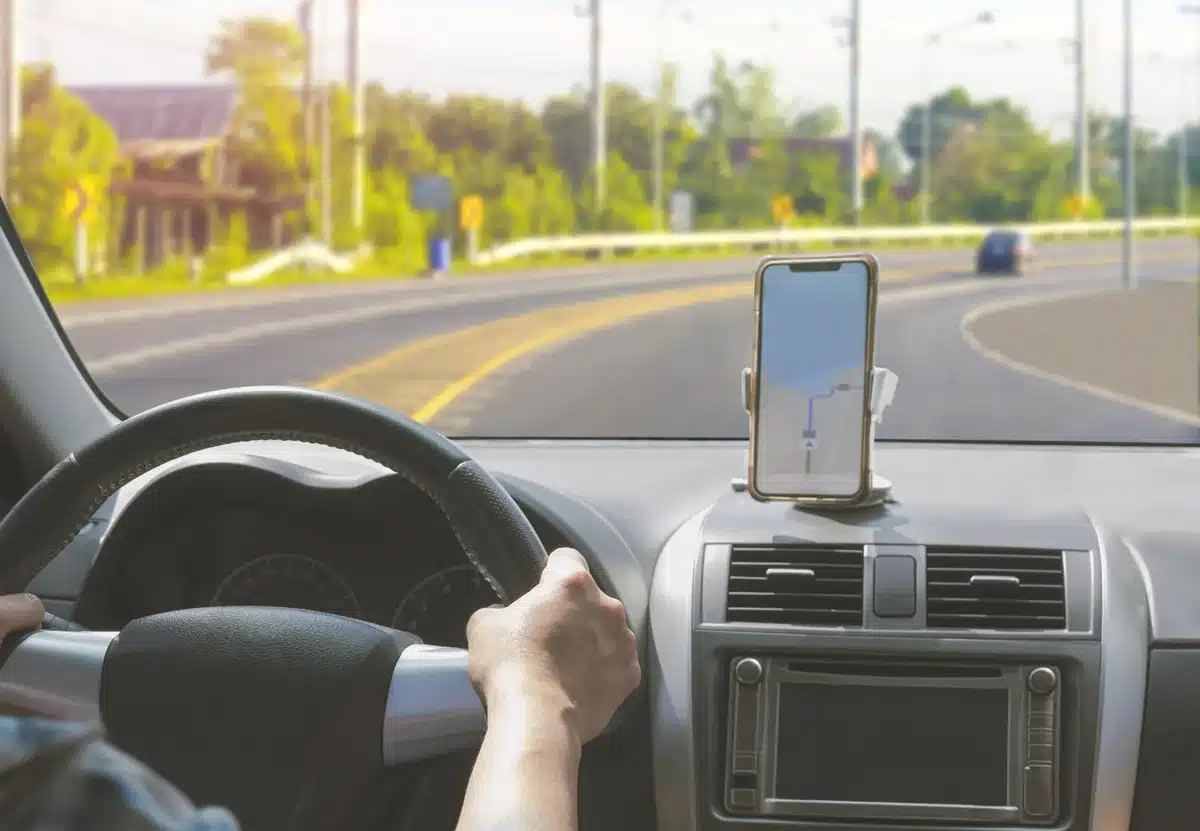
Real universality comes down to three measurements: minimum grip width, maximum grip width, and depth tolerance. Most holders work with phones between 2.3 and 3.5 inches wide — which covers basically everything from an iPhone SE to a Pixel 7 Pro. But thickness? That’s where cases screw everything up.
A bare phone is usually 7-9mm thick. Slap an OtterBox Defender on there and you’re suddenly at 15mm. Some universal phone holders max out at 12mm. Not so universal anymore, right?
| Phone Model | Width (inches) | Thickness (bare) | With Heavy Case |
|---|---|---|---|
| iPhone 15 Pro Max | 3.02 | 8.25mm | ~14mm |
| Samsung S24 Ultra | 3.11 | 8.6mm | ~15mm |
| iPhone 13 Mini | 2.53 | 7.65mm | ~13mm |
| Google Pixel 8 | 2.79 | 8.9mm | ~14mm |
And then there’s the PopSocket problem. Love them or hate them — I’m weirdly neutral — but they add another 6-7mm of bulk in one spot. Most spring-loaded universal phone holders can’t accommodate that asymmetry. The arms try to center the phone, but the PopSocket throws off the balance and your phone sits crooked. Magnetic mounts don’t care, which is one point in their favor.
But honestly? The most “universal” thing you can do is check the actual dimensions before you buy. I learned this the hard way after ordering three different holders on Amazon that all claimed to fit “any phone.” Two of them couldn’t handle my Spigen Tough Armor case. The third one worked perfectly and cost $11.
Width matters more than marketing copy. Always.
Where to Mount Your Phone Holder and Which Design Works Best for Each Spot
So I’ve stuck phone holders in basically every legal spot in my car over the past decade, and the location matters way more than most reviews let on. Here’s what actually works.
Dashboard mounts seem obvious — eye level, easy reach, right? But they’re a disaster if you live somewhere hot. I had a suction cup mount on my dash in Phoenix for exactly four days before it fell off mid-turn and my phone slid under the brake pedal. Not great. Adhesive mounts fare better, but you’re committing to a spot. And if your dash is textured or curved (looking at you, Honda Civic owners), good luck getting anything to stick properly.
Windshield mounts are my go-to for GPS navigation. They put the phone right in your sight line without blocking much view — assuming you mount it low and to the side, not dead center like a taxi driver. Suction cups work here because glass is flat and the temperature swings aren’t as extreme. Spring-loaded arms are perfect for this spot since you’ll probably adjust the angle a lot. Just make sure your state actually allows windshield mounts. Some don’t.
CD slot mounts? Brilliant if you still have a CD player and never use it (which is most of us). These are super stable because they’re anchored into the dash mechanism itself. No suction cups to fail, no adhesive to peel off. The catch: your phone sits lower than ideal for GPS, and if you have a six-disc changer, you might be blocking buttons you occasionally need.
Vent mounts are the most popular and also the most frustrating. They clip onto your AC vents — zero installation, infinite adjustability, works in rental cars. Perfect, right? Except half of them slowly rotate downward from the phone’s weight, especially with heavier cases. And some car vents (Mazda’s horizontal slats come to mind) just won’t grip certain clip designs. I’ve had better luck with the ones that have rubberized grips, but even then, it’s hit or miss.
Here’s what I actually do now: magnetic vent mount for quick trips around town, adhesive dashboard mount for road trips when I need GPS for hours. Two mounts. Costs about $25 total. Works perfectly.
Conclusion
Look — Universal Phone Holders aren’t rocket science, but the wrong one will absolutely ruin your drive. Stick with what matches your actual habits: if you’re constantly switching cars, vent mounts make sense despite their quirks. If your phone’s your lifeline for navigation, spend the extra $15 on something that won’t sag after two weeks.
And honestly? Having a backup mount isn’t overkill. It’s just realistic.
Test whatever you buy on a short trip first. If it’s annoying you within 20 minutes, return it. You’ll know immediately whether it works for your car and your grip strength and your particular brand of impatience. Trust that gut check.
Frequently Asked Questions
Q: Do Universal Phone Holders actually fit all phones?
A: Most universal holders fit phones between 4 and 7 inches, which covers everything from an iPhone SE to a Galaxy Ultra with a case. But “universal” is marketing speak — if you’ve got a chunky rugged case or a pop socket, you need to check the specs. I’ve seen people struggle with anything wider than 3.5 inches at the grip points.
Q: Why does my vent mount keep falling off?
A: Two reasons: either your car’s vent slats are too thin (older Hondas are notorious for this), or the clip mechanism is just cheap plastic that’s already worn out. Vent-mounted Universal Phone Holders work great on thick, horizontal slats but they’re basically worthless on circular vents or the flimsy vertical ones. Try a dashboard or windshield mount instead.
Q: Can I use a phone holder with a MagSafe case?
A: You can, but you’re doing it backwards. If you’ve already got MagSafe, just buy a magnetic mount — it’ll be way cleaner than jamming a MagSafe case into a grip-style holder. That said, most Universal Phone Holders will still clamp onto the case just fine, you’re just not using the magnets at all.
Q: How much should I spend on a decent phone holder?
A: Fifteen to twenty-five bucks gets you something solid that won’t fall apart in three months. Anything under $10 is usually garbage with weak springs or adhesive that fails in heat. I wouldn’t go over $30 unless you’re getting a premium wireless charging mount — at that point you’re paying for features, not just basic holding power.
Q: Will the adhesive dashboard mount damage my car?
A: Not if you remove it properly. The 3M adhesive on decent Universal Phone Holders comes off clean if you heat it with a hair dryer for 30 seconds first, then peel slowly. Where people screw up is yanking it off cold — that’s when you pull up dashboard texture or leave residue. Just don’t stick it directly onto soft-touch plastic.
Q: What’s the difference between a cradle mount and a clamp mount?
A: Cradles have a little shelf at the bottom where your phone sits, then side arms squeeze in. Clamps use tension arms that grip from all four sides with no shelf. Cradles are faster for one-handed placement but they’re bulkier; clamps look cleaner but you need both hands to get your phone in there properly.
Q: Do Universal Phone Holders block wireless charging?
A: Only if the mount itself doesn’t have wireless charging built in. Standard grip-style Universal Phone Holders don’t interfere with your phone’s wireless charging capability — they just don’t provide it. You’d need to take your phone out and put it on a separate charging pad, which honestly defeats the purpose of having it mounted while driving.
Q: How do I stop my phone from overheating in a windshield mount?
A: Move it out of direct sunlight or crack your window — windshield mounts turn your phone into a solar panel in summer. I’ve had my iPhone shut down from heat within 20 minutes on a 90-degree day. Dashboard mounts closer to the AC vents are way better for this, or just angle the windshield mount so it’s not catching full sun.