
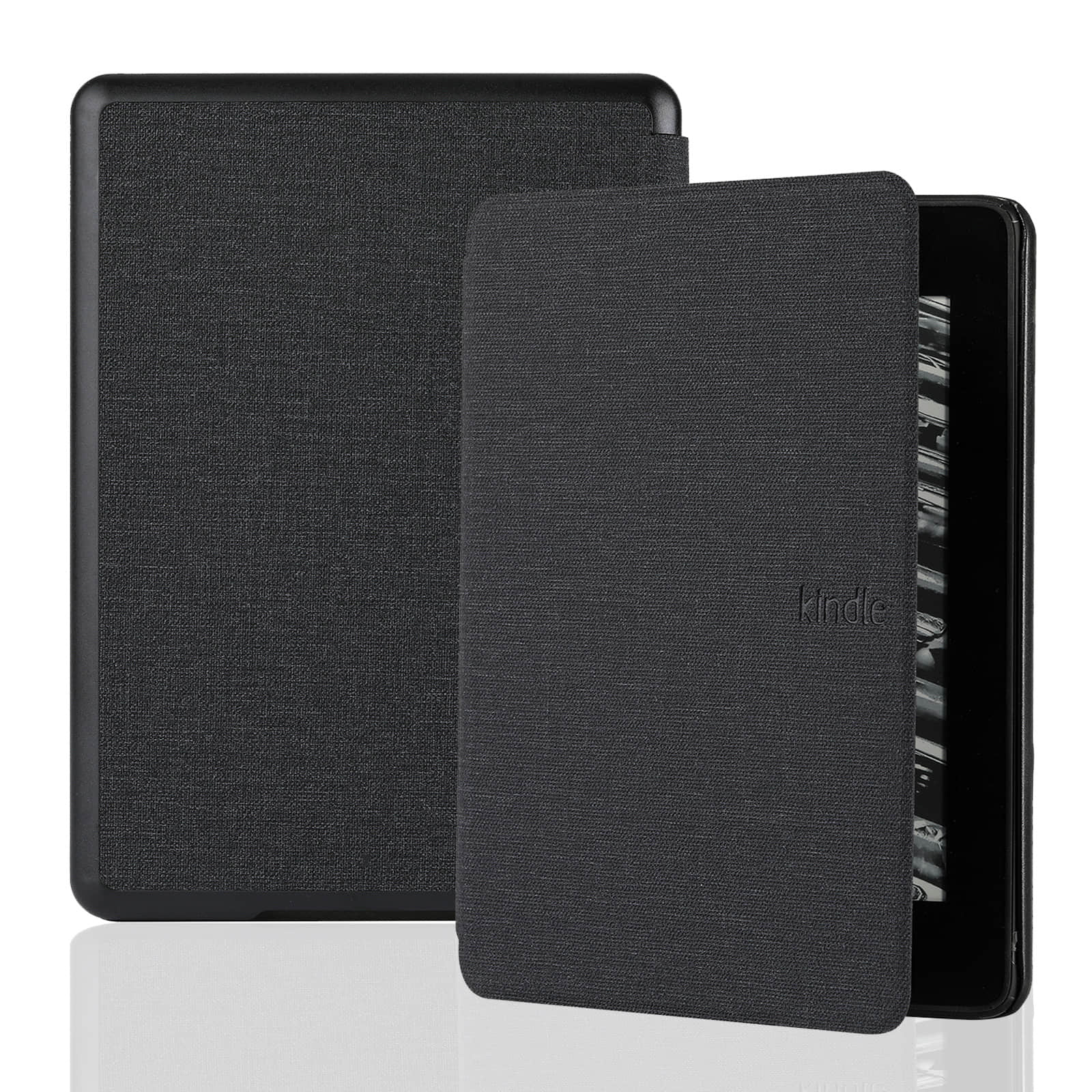

What Goes Into Tablet Case ODM Tooling Costs: Molds, Fixtures, and NRE Explained
Tooling costs are where a lot of first-time tablet case ODM buyers get caught off guard — and where the gap between a good supplier relationship and a frustrating one becomes very clear, very fast. Before a single unit rolls off the production line, there’s a real financial commitment involved in getting the manufacturing infrastructure ready. Understanding what you’re actually paying for changes how you negotiate, how you plan, and how you evaluate whether a supplier’s quote is fair.
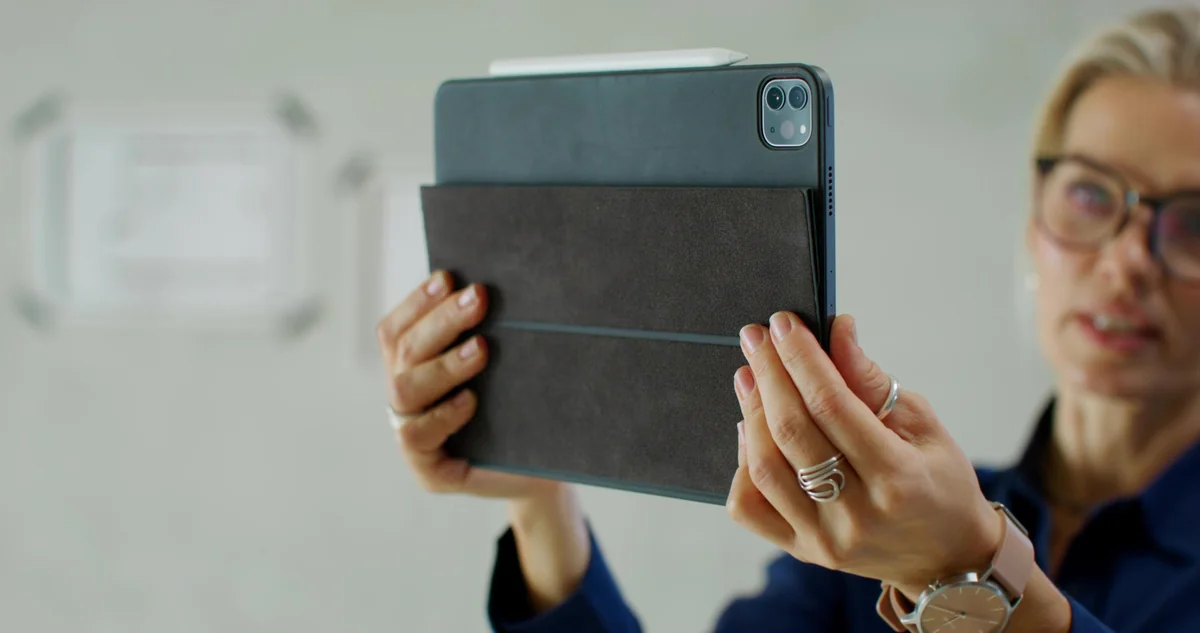
The dominant cost driver is the mold itself. Tablet case mold tooling refers to the custom steel or aluminum dies used to shape the case components — typically through injection molding for hard shells, or compression/die-cutting tooling for softer materials. Steel molds cost more upfront but handle higher production volumes without degrading. Aluminum tooling is faster and cheaper to cut, which makes it practical for pilot runs or lower-volume programs, though it carries a shorter operational lifespan. A supplier who doesn’t explain this trade-off upfront is one worth pressing harder.
Beyond the mold, fixtures are the often-overlooked piece of the puzzle. These are the jigs and holding devices used during assembly, quality inspection, and secondary processes like screen printing or hardware installation. They’re not glamorous, but they directly affect consistency — especially when you’re running orders across multiple production shifts.
Then there’s tablet case NRE cost — non-recurring engineering expenses — which covers the design validation, engineering hours, and prototype iterations required before mass production can begin. NRE is a one-time charge, but it’s real money, and some suppliers bundle it into the tooling quote while others line-item it separately. Either approach is fine; what matters is that you know exactly what’s included.
- Mold type (steel vs. aluminum) relative to your projected annual volume
- Mold ownership terms — whether tooling stays with the supplier or transfers to you
- Number of prototype iterations included before NRE is exhausted
- Fixture costs and whether they’re amortized into unit pricing or charged separately
- Mold maintenance responsibility and storage policy for long-term programs
Suppliers with structured ODM programs — the kind that handle full project coordination from design through export — tend to document these costs more transparently than factories that treat ODM as an add-on to standard contract manufacturing. That documentation matters when you’re reconciling purchase orders months down the line.
How to Evaluate Tablet Case Mold Tooling Quality Before You Commit to a Supplier
Tooling quality is where a lot of tablet case ODM projects quietly fall apart — not during sampling, but six months into production when dimensional drift starts showing up and nobody can explain why. By the time that happens, you’re already committed. The better approach is to pressure-test the supplier’s tooling capabilities before any purchase order is signed.

Start with the steel grade. Tablet case mold tooling built from P20 or H13 steel will outlast aluminum tooling by a significant margin under high-volume production conditions. Ask the supplier to specify the steel grade in writing — not just verbally — and cross-reference it against your projected annual run. A supplier who can’t or won’t document this is telling you something.
Cavity count matters too. Single-cavity molds are common for early-stage development, but if your volume justifies multi-cavity tooling and the supplier is quoting single-cavity without explanation, that’s worth questioning. Multi-cavity tools reduce per-unit cycle time; they also require more precision to maintain consistent fill across all cavities. Ask how the supplier validates cavity balance during tool trials.
- Request the mold flow analysis report — legitimate tooling houses run simulation before cutting steel
- Ask for documented T1 (first trial) sample reports, including dimensional inspection data against your spec sheet
- Confirm how many engineering change cycles are permitted before additional tablet case NRE cost is triggered
- Verify whether the supplier has in-house toolroom capability or subcontracts mold work to a third party
- Clarify the expected tool life in shot count, and what the repair or replacement policy looks like at end of life
That last point — in-house versus outsourced tooling — carries more weight than buyers often realize. Suppliers who manage tooling internally have direct control over lead times, maintenance schedules, and engineering revisions. Those who outsource it are essentially adding a layer of dependency that can complicate your project timeline when changes are needed.
Suppliers with structured tablet case ODM programs typically maintain tooling documentation as a standard deliverable. If a factory treats mold records as proprietary or difficult to share, treat that as a procurement risk — not a minor inconvenience.
Tablet Case NRE Cost Structures: What’s Negotiable, What’s Fixed, and Where Buyers Get Burned
NRE — non-recurring engineering — is where tablet case ODM projects quietly go over budget. Not because suppliers are dishonest about it, but because buyers rarely ask the right questions upfront, and the cost structure is genuinely more layered than it looks from the outside.
The fixed portion is straightforward: tablet case mold tooling is a capital expenditure that gets quoted once and doesn’t move much. Material grade, cavity count, complexity of the design — these drive the number, and a reputable supplier will give you a line-item breakdown without much prompting. What’s not fixed, and what procurement teams often underestimate, is everything adjacent to that tooling cost.
Engineering hours for DFM review. Sample iterations. Revisions after first article inspection. Color matching and surface texture trials. Each of these can carry a charge — sometimes bundled into a vague “development fee,” sometimes invoiced separately after the fact. The difference between a clean NRE experience and a frustrating one usually comes down to how explicitly these items were scoped before the project started.
A few cost categories worth clarifying before you sign anything:
- Sample fees — whether they’re credited against production or treated as sunk costs
- Revision limits on tooling before additional charges apply
- Who absorbs cost if first samples fail dimensional inspection
- Whether the tablet case NRE cost includes secondary processes like pad printing setup or insert molding trials
- Tooling storage fees if production is delayed beyond a set window
The negotiable zone is wider than most buyers assume. Suppliers with consistent order volume relationships often absorb partial tooling costs, defer them across initial production runs, or credit them against minimum order thresholds. That flexibility rarely appears in a standard quote — it surfaces in conversation, usually when the buyer demonstrates they’ve done their homework and are serious about a longer commercial relationship.
Where buyers get burned is almost always the same place: treating NRE as a one-time line item rather than a category that spans the entire development phase. Map it out fully before committing, and push any supplier — in the tablet case ODM space especially — to define what “development complete” actually means before the first invoice lands.
Calculating Tooling Payback: When Your ODM Investment Actually Starts Working for You
Tooling payback isn’t a fixed point — it’s a moving target shaped by unit economics, order cadence, and how cleanly the development phase was scoped from the start. The calculation itself is straightforward enough: divide total tablet case NRE cost by the per-unit margin contribution above what a stock solution would have delivered, and you get a rough breakeven volume. What buyers consistently underestimate is how many variables sit inside that margin contribution figure.
Customization that commands a meaningful retail premium closes the gap fast. A branded tablet case ODM program with differentiated materials, a proprietary closure mechanism, or a device-specific cutout profile can justify a price position that a generic case simply cannot hold. That premium — even a modest one — compresses the payback window considerably compared to a program where customization is cosmetic-only.
Order frequency matters at least as much as order size. A buyer placing three or four runs per year against the same tablet case mold tooling amortizes that fixed cost across more units annually than a buyer placing a single large order and then waiting. If reorder cadence is predictable, that’s worth modeling explicitly before signing off on tooling spend — because the difference between a 12-month payback and a 24-month payback often comes down to reorder rhythm, not initial volume.
A few variables that shift the math more than buyers expect:
- Tooling longevity — molds rated for higher shot counts reduce the risk of mid-lifecycle retooling costs eating into recovered margin
- Product line stability — programs built around devices with short replacement cycles carry real risk of tooling obsolescence before payback is reached
- Supplier-side tooling ownership terms — some tablet case ODM arrangements retain mold ownership with the factory, which limits portability if the relationship sours
- Warranty and rework scope — tooling defects that surface in production can quietly extend payback timelines if responsibility isn’t clearly assigned upfront
The suppliers worth working with will run this math with you — not just hand over a tooling quote and move on. That willingness to model the commercial outcome alongside the technical one is a reliable signal that a manufacturer understands the buyer’s actual problem, not just the fabrication brief.
Conclusion
Tablet case ODM is not complicated — but it does reward buyers who treat it like a commercial decision, not just a product development one. The tooling conversation, the mold ownership terms, the payback timeline: these aren’t fine print. They’re where the actual risk lives.
Find a manufacturer who models the outcome with you. That’s the whole job.
If a supplier can’t talk through tooling ROI before you’ve signed anything, that’s information worth having early.
Frequently Asked Questions
Q: What is tablet case ODM and how is it different from OEM?
A: Tablet case ODM means the manufacturer designs the product — not just builds it — and you brand it as your own; OEM is when you bring the design and the factory executes it. The practical difference matters a lot at the start: ODM gets you to market faster because the tooling and design work already exist, while OEM gives you tighter control over the end result but demands more upfront investment on your side.
Q: How much does tablet case ODM tooling actually cost?
A: Mold tooling for a tablet case ODM project typically runs somewhere in the range of a few hundred to several thousand dollars depending on material complexity, number of cavities, and how much customization you’re layering onto an existing base design. The number that matters more than the sticker price, though, is the per-unit payback — how many units you need to sell before the tooling cost disappears into margin.
Q: What’s the minimum order quantity for a tablet case ODM project?
A: MOQs vary significantly by factory and by how much existing tooling you’re sharing versus building from scratch — but a realistic floor for a custom tablet case ODM run is often in the hundreds of units, sometimes pushing into the low thousands if new molds are involved. Suppliers who offer lower MOQs on ODM work are often amortizing tooling across multiple clients using a shared base design, which is worth understanding before you assume the economics are straightforward.
Q: How long does a tablet case ODM project take from brief to first shipment?
A: If you’re working from an existing ODM base design with minor modifications, you’re often looking at six to twelve weeks from approved spec to shipment — tooling lead time is usually the longest single variable. Fully custom builds that require new molds take longer, and any back-and-forth on samples adds time that most buyers underestimate.
Q: Can I own the mold if I go through a tablet case ODM supplier?
A: Mold ownership is negotiable — but it’s not automatic, and this is one of the most overlooked clauses in a tablet case ODM agreement. Some manufacturers will transfer mold ownership once tooling costs are paid off; others retain it regardless, which effectively locks you into that supplier for reorders. Get this in writing before you sign anything.
Q: Why do tablet case ODM samples sometimes look different from production units?
A: Sample-to-production drift usually comes from one of three places: handmade sample prototypes that don’t reflect actual injection mold output, material substitutions made during production without buyer sign-off, or finish variations (texture, color match) that weren’t locked in with a physical approval standard. A good supplier — the kind that runs commercial outcome conversations alongside technical ones — will establish a golden sample protocol specifically to close this gap.
Q: Is tablet case ODM worth it for small or emerging brands?
A: For smaller buyers, ODM is often the smarter entry point precisely because you’re not funding a design process from zero — the manufacturer has already absorbed that cost across other clients. The risk isn’t the model itself; it’s choosing a supplier who treats your order size as a lower priority and cuts corners on QC when your run is smaller than their headline clients.
Q: What certifications should a tablet case ODM supplier have?
A: At minimum, look for ISO 9001 for quality management, and depending on your target market, certifications like RoHS (for restricted materials) or REACH compliance may be required — not optional. If you’re selling into retail channels, your buyer may also ask for factory audit reports, so it’s worth confirming a supplier’s audit history before you’re three months into a project and hit a compliance wall.