


Why Low MOQ Tablet Case Orders Demand Tighter SKU Planning From Day One
Low MOQ tablet cases solve a real problem for growing brands and fleet buyers — but they introduce a different kind of pressure that most procurement teams underestimate until it’s too late. The flexibility of ordering in small batches doesn’t remove complexity. It concentrates it. Every SKU decision you defer to “later” becomes a more expensive problem once production starts.
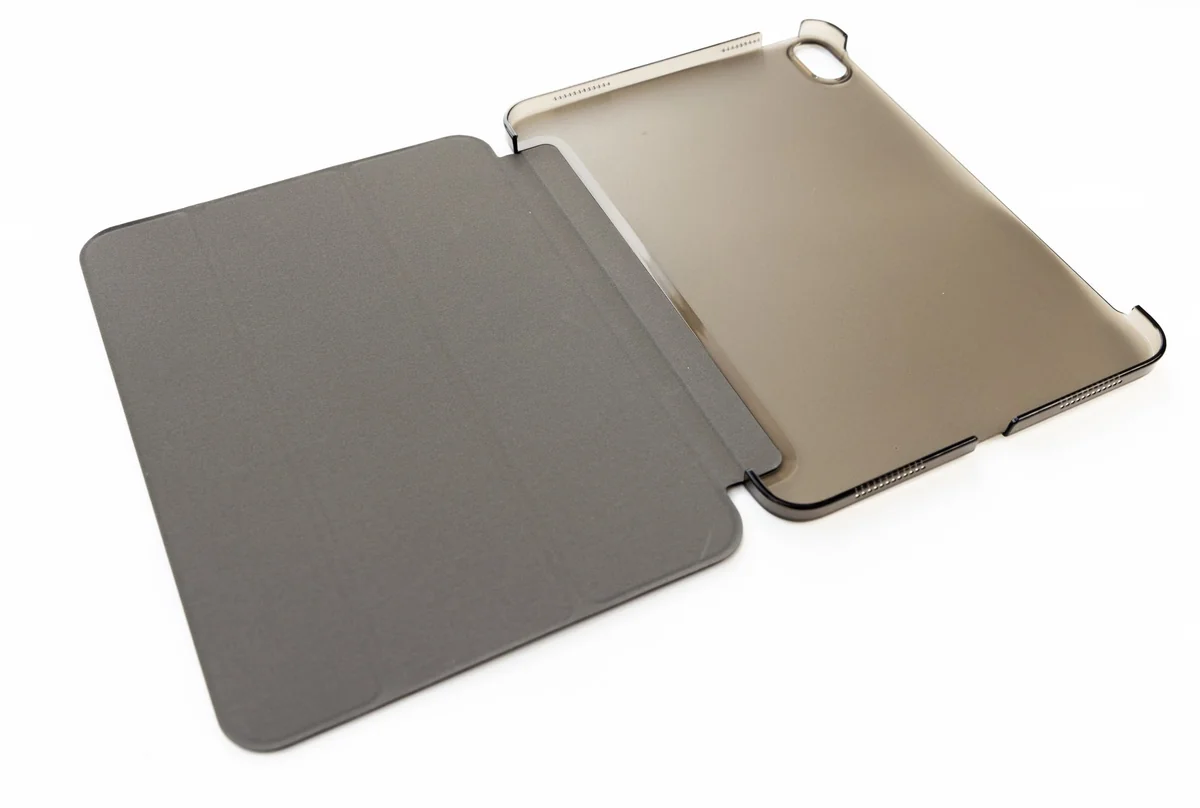
Here’s the core tension: a small batch tablet case supplier typically structures pricing and lead times around defined specifications. Device compatibility, shell material, closure type, port cutout placement, color — these aren’t details you negotiate after samples are approved. They’re locked in early, because low-volume runs have almost no room to absorb mid-process changes without cost penalties or timeline slippage.
Tablet case SKU planning at low MOQ isn’t just about picking the right models. It’s about sequencing decisions correctly so that your supplier can actually execute efficiently. That means answering a specific set of questions before you issue a purchase order — not during sampling, and definitely not after.
- Which tablet models does each case variant need to fit — and are those models consistent across your target markets or end-user segments?
- Are you ordering a single configuration in volume, or splitting a small run across multiple specs (which compounds per-unit cost)?
- What’s the minimum quantity per SKU that keeps unit economics viable, versus the minimum the supplier will accept per variant?
- Do any variants require different certifications, drop-test ratings, or labeling — and have those requirements been confirmed before tooling is discussed?
- What’s the realistic sell-through or deployment timeline, and does it align with the supplier’s production scheduling windows?
Suppliers that handle low MOQ tablet cases at a professional level — the kind of B2B-focused operations managing OEM and ODM orders across multiple markets — will often flag SKU fragmentation as the single biggest cause of order delays and cost overruns on small-batch programs. That’s not a sales pitch. It’s a pattern that shows up consistently when buyers treat low MOQ as a shortcut rather than a starting point for tighter planning.
The procurement discipline required for a 5,000-unit order doesn’t disappear at 300 units. In many respects, it matters more.
How to Structure Tablet Case SKU Planning Before You Place a Small-Batch Order
SKU rationalization is where small-batch orders either hold together or quietly fall apart. The planning logic is straightforward: every additional variant — size, color, material finish, branding position — multiplies the coordination burden on both sides of the order. At low volumes, that burden doesn’t scale down proportionally. It stays heavy, and sometimes gets heavier, because suppliers have less room to absorb inefficiencies across a fragmented run.

Tablet case SKU planning at the small-batch stage should start with a constraint-first approach. Before finalizing any variant matrix, buyers need a clear answer to one question: what is the minimum sellable or deployable quantity per SKU that justifies its inclusion in this order? If the honest answer is “we’re not sure,” that SKU probably shouldn’t be in the run yet.
A practical framework for structuring SKU decisions before engaging a small batch tablet case supplier:
- Anchor on your highest-confidence SKUs first — the sizes and configurations with confirmed demand, not projected demand.
- Treat color and finish variations as a second-tier decision, not a first one. Locking device compatibility and structural specs before introducing aesthetic variants reduces revision cycles significantly.
- Map each SKU against your packaging requirement separately. Retail-ready packaging, plain poly-bag, and custom box each carry different unit costs and lead time implications — and those differences compound when spread across multiple SKUs at low volumes.
- Identify which SKUs share components or tooling. Consolidating around shared parts is one of the few levers buyers have to offset the per-unit cost premium that comes with low MOQ tablet cases.
- Build a SKU freeze date into your timeline — a hard cutoff after which no new variants enter the order. Late additions are a consistent source of production delays on small-batch programs.
The operational reality is that suppliers managing B2B-oriented low MOQ programs — particularly those handling OEM and ODM customization across varied buyer specifications — will assess SKU complexity as part of their order feasibility review. A well-rationalized SKU list signals procurement maturity. It also tends to produce faster sampling turnaround and cleaner production scheduling, both of which matter more at small volumes than buyers typically expect going in.
What SKU Variables Actually Matter (Size, Material, Compatibility, Color)
SKU variables in tablet case procurement aren’t created equal — and treating them as though they are is where a lot of small-batch orders get complicated fast. Size, material, compatibility, and color each carry different implications for tooling, sourcing lead time, and minimum run feasibility. Understanding which variables drive cost and complexity, versus which ones are relatively neutral, is the practical foundation of solid tablet case SKU planning.
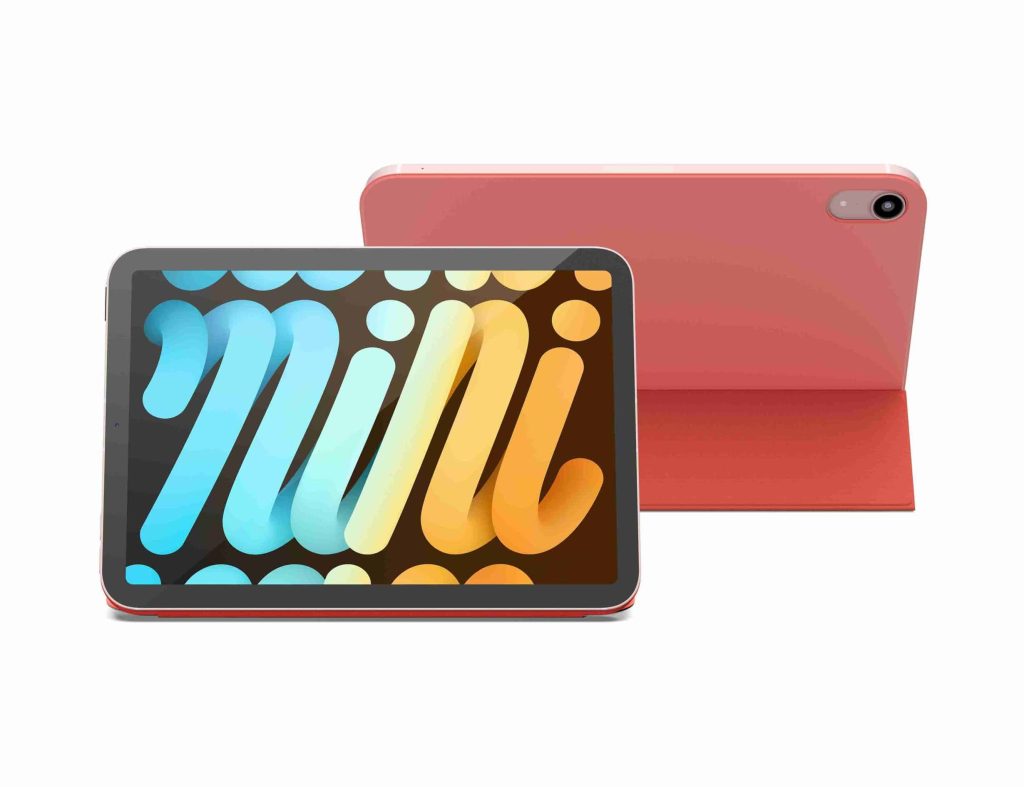
Size is the highest-stakes variable. Physical dimensions determine mold requirements, and molds are expensive. A supplier running a low MOQ program can typically absorb one or two size variants across an order — but four or five starts to look like four or five separate production runs, which erodes the flexibility that made low MOQ tablet cases attractive in the first place. Buyers sourcing for multi-device environments should prioritize size consolidation above everything else.
Material choice sits just behind size in terms of operational weight. EVA, PU leather, polycarbonate, silicone — each has different tooling compatibility, lead times for raw material procurement, and finishing requirements. Switching materials between variants isn’t always as simple as buyers assume. Where a small batch tablet case supplier offers a defined material matrix (a pre-qualified set of options already integrated into their production workflow), working within that matrix keeps sampling fast and production predictable.
| SKU Variable | Complexity Impact | Buyer Recommendation |
|---|---|---|
| Size / Dimensions | High — affects tooling directly | Limit to 1–2 variants per order |
| Material | Medium-High — affects sourcing and process | Work within supplier’s pre-qualified options |
| Device Compatibility | Medium — tied closely to size specs | Align to standardized device tiers |
| Color | Low-Medium — manageable within same material | Consolidate; avoid single-unit colorways |
Compatibility — meaning which device models the case is built to fit — is functionally an extension of the size decision. Where buyers get into trouble is specifying compatibility for fragmented device fleets without mapping those specs back to shared dimensional footprints. Devices that share a screen size and chassis profile can often be served by a single SKU, which reduces complexity without reducing coverage.
Color is the most forgiving variable, but it still carries minimum thresholds. Most suppliers working in low MOQ tablet cases won’t run a single colorway in quantities below a workable sub-batch — so a five-color order needs enough total units to distribute sensibly across all five. Rationalizing color to two or three options, and concentrating volume accordingly, keeps the order manageable without sacrificing the product differentiation buyers are often trying to achieve.
Building a SKU Hierarchy That Scales Without Inventory Chaos
SKU proliferation is one of the quieter budget killers in accessory procurement — and it tends to accelerate fastest when buyers are adding device models without retiring old ones. The result is a catalog where a dozen SKUs are doing the work three could handle, each carrying its own reorder minimums, storage footprint, and supplier communication overhead. Getting ahead of this requires a deliberate approach to tablet case SKU planning before the order is placed, not after the warehouse starts filling up.
The core principle is consolidation by functional equivalence. If two tablet models share a compatible dimensional profile — screen size, port placement, camera cutout position — there’s a strong case for treating them as a single SKU rather than two. This logic extends across device generations as well. Incremental hardware refreshes from the same manufacturer rarely change chassis dimensions enough to invalidate an existing case design, which means a well-specified SKU can absorb new device variants without triggering a new product line.
A tiered SKU structure helps here. At the top tier, a universal or near-universal design covers the broadest device range — a folio-style case with standardized dimensions that fits multiple compatible tablets. Below that, a secondary tier handles specific use-case or compliance requirements: ruggedized shells for field deployment, antimicrobial finishes for healthcare environments, or configurations with integrated hand straps for high-traffic retail. Keeping the secondary tier narrow — two or three SKUs maximum — prevents the structure from collapsing back into the fragmented catalog it was meant to replace.
- Audit device compatibility before specifying: map chassis dimensions across your fleet, not just screen sizes
- Set a minimum volume threshold per SKU — below a certain quantity, consolidation is almost always the better call
- Treat color as a variant, not a separate SKU, wherever the supplier’s production model supports it
- Build in a review cadence: SKU structures drift without periodic rationalization
Working with a small batch tablet case supplier that supports flexible variant structuring — rather than rigid per-SKU minimums — makes this kind of tiered approach operationally viable. Suppliers experienced with low MOQ tablet cases often accommodate variant-level quantity distribution across a shared base design, which is exactly the flexibility a scaling SKU hierarchy depends on.
Conclusion
The SKU structure is the strategy. Get that wrong and the flexibility of low MOQ tablet cases stops mattering — you’re just managing chaos at smaller quantities.
If there’s one thing worth holding onto from all of this: compatibility mapping and variant consolidation aren’t optional cleanup tasks. They’re what separates a catalog that scales from one that quietly becomes a liability. Treat color as a variant, keep your secondary tier tight, and build in a review cadence before the structure drifts on you.
Find a supplier whose production model bends to your SKU logic — not the other way around.
Frequently Asked Questions
Q: What is the typical minimum order quantity for low MOQ tablet cases?
A: Most suppliers offering low MOQ tablet cases set minimums somewhere between 50 and 300 units per SKU — though what counts as “low” varies depending on the material, customization level, and whether you’re ordering a standard design or a fully custom mold. OEM orders with unique tooling almost always carry higher minimums than catalog-based designs, even from the same factory.
Q: How do low MOQ tablet cases differ from standard wholesale tablet cases?
A: The difference isn’t just quantity — it’s risk structure. Standard wholesale pricing assumes you’re absorbing large runs upfront; low MOQ orders shift some of that risk back to the supplier, which typically means a higher per-unit cost but far less capital tied up in slow-moving inventory. For catalog expansion or testing new form factors, that trade-off often makes more sense than it looks on a spreadsheet.
Q: Why are low MOQ tablet cases more expensive per unit than bulk orders?
A: Setup costs — tooling, material prep, line changeovers — get spread across fewer units, so each case absorbs a larger share of fixed production overhead. There’s no mystery here: a factory running 5,000 units of the same SKU is more efficient than one running 100. The gap narrows significantly once you consolidate variants under a shared base design rather than treating every color or size as a separate production run.
Q: Can I order multiple tablet models or sizes within a single low MOQ order?
A: Many suppliers — particularly those set up for B2B customization and export — will allow you to split a minimum across variants, provided the base design stays consistent. The key caveat: “variants” to a factory usually means color or finish, not different device cutouts. Mixing iPad and Android compatibility specs in one run typically triggers separate MOQ thresholds, so it’s worth clarifying that before you build your SKU plan around it.
Q: How long does production typically take for low MOQ tablet cases?
A: For in-stock or near-stock designs with light customization (logo printing, color swap), lead times often run 7–15 business days after sample approval. Fully custom constructions — new materials, unique structural features, device-specific cutouts — can push that to 30–45 days or longer. The biggest timeline variable most buyers underestimate isn’t production; it’s the back-and-forth on spec confirmation before production even starts.
Q: Is it worth sourcing low MOQ tablet cases from overseas suppliers, or should I use domestic options?
A: Domestic sourcing trades lower shipping complexity for significantly higher unit costs — which can make sense for ultra-fast replenishment cycles, but rarely pencils out for initial catalog builds. Overseas suppliers (particularly those in China with dedicated export operations) often offer far more material and customization flexibility at low MOQ thresholds, especially for tablet cases where the SKU range tends to be wide. The logistics overhead is real, but it’s manageable with the right supplier coordination.
Q: How do I verify quality when ordering low MOQ tablet cases for the first time?
A: Request a pre-production sample before committing — not just a stock sample pulled from a shelf. Check hinge tension, port alignment, material thickness at stress points, and how the case handles repeated open/close cycles. A supplier unwilling to provide a production-representative sample before you commit to even a low MOQ run is telling you something worth listening to.
Q: What customization options are realistically available at low MOQ for tablet cases?
A: Logo application (debossing, screen printing, or heat transfer) is almost universally available at low quantities. Custom colorways on existing molds are common too. Where things get constrained is structural customization — proprietary closures, custom-molded corners, unique material combinations — which typically requires tooling investment that only makes economic sense at higher volumes. Low MOQ tablet cases work best when you’re customizing within an existing production framework, not trying to reinvent the physical design from scratch.