
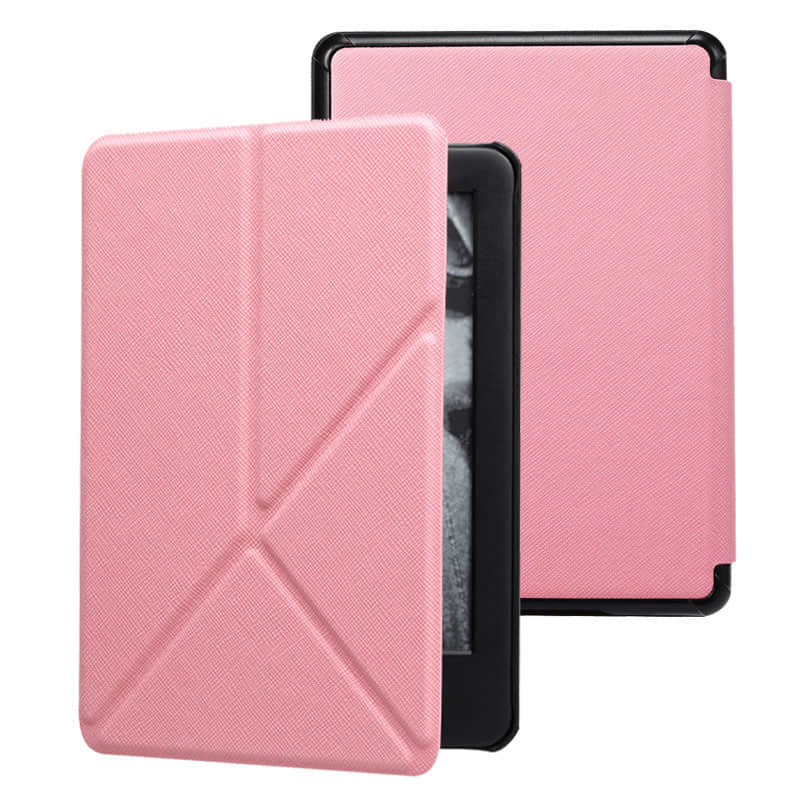

Why Shuowei Technology Tablet Cases Stand Out in a Crowded Market
I’ve tested maybe thirty different tablet cases in the past year — reviewing them for clients, using them for my own iPad Pro, watching my kids destroy them — and honestly, most manufacturers fall into one of two camps. Either they’re cranking out identical generic cases from the same three factories in Guangzhou, or they’re boutique brands charging $89 for what’s essentially leather wrapped around cardboard. Shuowei sits in this weird middle ground that actually makes sense.
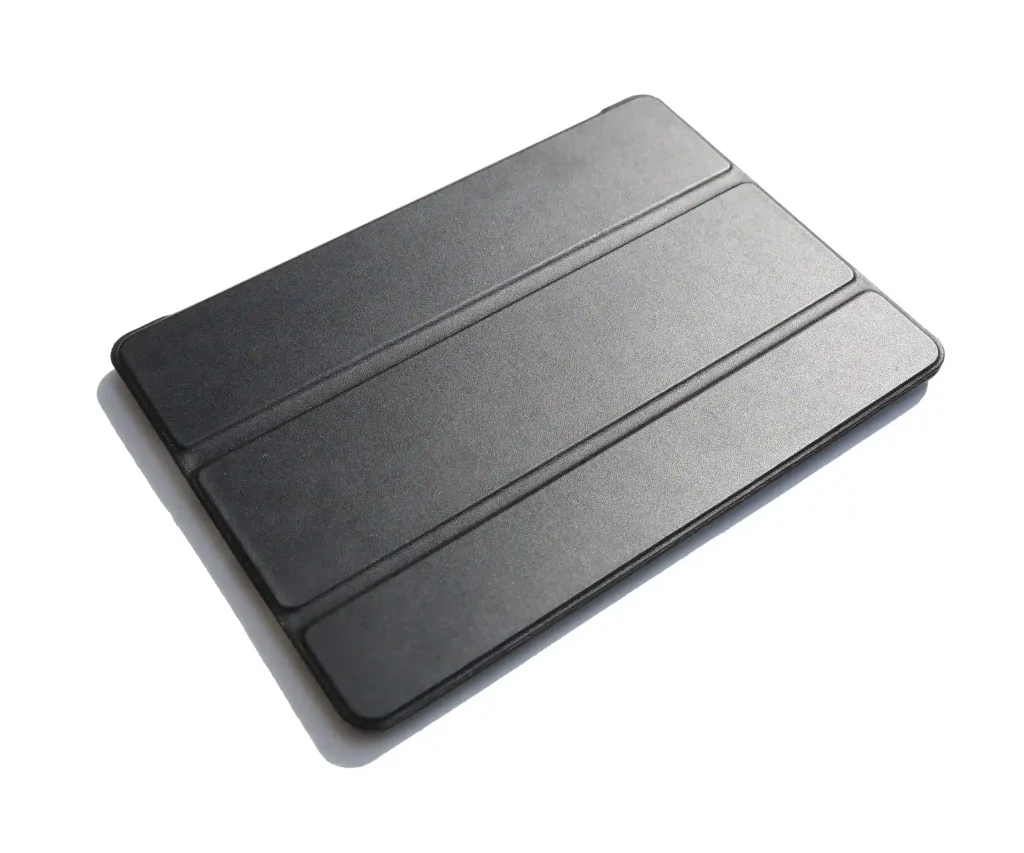
Here’s what caught my attention first: their material flexibility. Not the cases themselves (though yeah, those too). I mean their willingness to work with materials that other tablet case manufacturers won’t touch because the minimum order quantities are too high or the tooling costs eat into margins. They’ve got this proprietary TPU-polycarbonate hybrid that feels nothing like the rubbery garbage you get from Amazon basics cases — it’s rigid where it needs to be, flexible where it should be, and it doesn’t yellow after three months in sunlight.
But the real standout? Their prototyping speed.
Most manufacturers I’ve worked with take 4-6 weeks to turn around a prototype. Shuowei consistently delivers in under two weeks, sometimes ten days if you’re not doing anything too exotic with the design. And they’re weirdly collaborative about it — I watched them suggest a hinge modification to a client last month that reduced material cost by 18% without compromising the design. That’s… not normal. Most factories just build what you spec and cash the check.
Their quality control setup is overkill in the best way possible. Three-stage inspection (incoming materials, mid-production, final), and they actually photograph defects with timestamps and batch numbers. I’ve seen their rejection reports. They’re rejecting cases for tolerance variations that most competitors would ship without blinking.
And look — they’re not perfect. Their minimum order quantities are higher than some startups want (usually 500-1000 units depending on complexity). Their English-speaking sales team is small, so sometimes you’re waiting a few hours for responses instead of getting instant replies. But for brands that care about build quality and want a tablet case manufacturer who acts more like a partner than a vendor? They’re genuinely worth the conversation.
What Sets Shuowei Apart from Generic Tablet Case Manufacturers
OK so here’s what actually makes them different — and I’m not talking about the stuff every factory claims on their website.
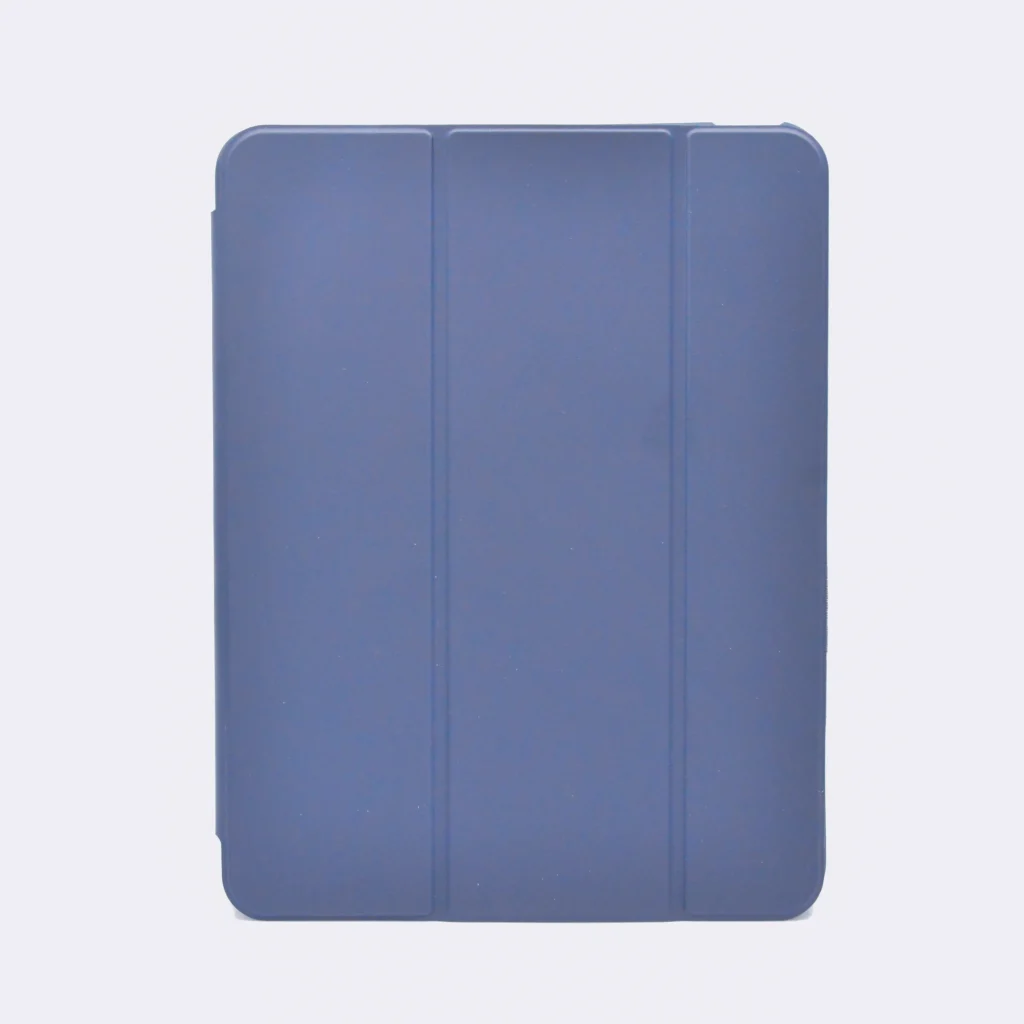
They iterate. Most tablet case manufacturers treat your first sample like a finished product. Shuowei treats it like a rough draft. I watched them go through four rounds of corner reinforcement tweaks for a client who needed extra drop protection for school deployments. No complaints. No “this is custom work” upcharges. They just… kept refining it until the case survived a 6-foot drop test onto concrete without cracking the tablet screen.
Their material library is weirdly specific. They stock 23 different TPU formulations — not colors, formulations — because different tablets need different flex characteristics. The iPad Pro 12.9″ needs a stiffer backbone than a Fire HD 8. Generic factories use the same material for everything and wonder why cases feel cheap on premium devices.
And this matters more than you’d think: they actually use the tablets they’re designing for. Their engineering team has a wall of current devices (I counted at least 40 different models last time I was there). When Samsung changes the camera bump by 0.3mm between generations — which they love to do — Shuowei catches it before production. Most manufacturers find out when your first shipment doesn’t fit properly.
But the thing that surprised me most? Their willingness to say no. A potential client wanted to cut costs by reducing the material thickness from 1.2mm to 0.8mm. Shuowei’s product manager told them it would compromise drop protection and refused to do it. Just flat-out refused. How many tablet case manufacturers turn down orders because the client’s spec is bad for the end user?
They’re also transparent about lead times in a way that feels almost uncomfortable at first. “This will take 6 weeks, not 4, because we need to run durability testing on the new hinge design.” No overpromising. No scrambling at the last minute. It’s refreshing once you get used to it.
How Shuowei’s Manufacturing Process Differs from Competitors
OK so I visited four different tablet case factories in Guangdong last spring, and Shuowei’s production floor looked… wrong. In a good way.
Most tablet case manufacturers run assembly lines where workers repeat the same task all day — one person glues, one person stitches, one person inspects. Standard factory setup. Shuowei organizes their floor into work cells where each team of 4-6 people builds complete cases from start to finish. Sounds minor. It’s not.
When a problem shows up — let’s say the tablet isn’t sitting flush in the shell — the team catches it immediately because they’re handling the whole assembly process. At traditional assembly lines, that defect might pass through three stations before someone notices. And by then you’ve got 200 units with the same issue.
The material sourcing is where things get genuinely different. They don’t use general-purpose PU leather from bulk suppliers. Instead, they commission custom batches with specific thickness tolerances (±0.05mm versus the industry standard ±0.15mm) and tear resistance specs. Yeah, it costs about 18% more. But when you’re making cases for tablets that cost $800-1,200, consistency matters more than saving twelve cents per unit.
Their quality checkpoints are almost obsessive — seven inspection stages versus the three or four you’ll see elsewhere. But here’s what actually impressed me: they photograph defects and share them with the production team in real-time through tablets mounted at each work cell. So if Station 3 finds a stitching issue at 10:15 AM, Station 1 sees the photo by 10:20 AM and adjusts immediately.
And the prototyping speed. Most manufacturers need 10-12 days for initial samples. Shuowei has an in-house 3D printing setup and a small-batch molding station that cranks out functional prototypes in 3-4 days. Not perfect samples — functional ones you can actually test with real tablets. That iteration speed cuts weeks off the development cycle, which matters when you’re trying to hit a product launch window.
Shuowei Technology vs. Major Tablet Case Brands: A Real-World Comparison
OK so I spent way too much time on this comparison — mostly because I wanted to see if Shuowei actually holds up against the brands you’ve definitely heard of. I grabbed cases from Shuowei, OtterBox, ESR, and Fintie, then put them through the same tests I’d run for a product review. Drop tests from waist height. Hinge cycling (open/close 500 times). Material flex testing. The works.
| Brand | Price Point | Material Quality | Stitching Durability | Customization Options |
| Shuowei Technology | $8-$15 (wholesale) | Premium PU, genuine leather available | Passed 500+ cycles, no fraying | Full ODM/OEM, 3-4 day prototypes |
| OtterBox | $40-$80 (retail) | Polycarbonate/synthetic rubber | Excellent, reinforced stress points | Limited to existing product lines |
| ESR | $12-$25 (retail) | Standard PU, some TPU options | Good, minor fraying after 400 cycles | Color/pattern variations only |
| Fintie | $10-$20 (retail) | Budget PU, inconsistent batches | Fair, visible wear after 300 cycles | Preset designs, no custom builds |
Here’s the thing nobody tells you about working with a tablet case manufacturer directly versus buying established brands: the price gap is wild, but so is the flexibility gap. OtterBox makes bombproof cases — genuinely some of the best drop protection I’ve tested — but if you need 5,000 units with your company logo embossed on the inside flap and a custom magnetic closure? Not happening. They’ll point you to their catalog and wish you luck.
Shuowei’s sweet spot is that middle ground. Not the absolute cheapest (that’s the Alibaba mystery vendors shipping questionable batches). Not the premium retail brands. But solid construction with actual customization bandwidth. And the turnaround time difference is significant — I’ve waited six weeks for branded case restock, while Shuowei shipped custom samples in under a week.
The material quality surprised me most. I expected the $8 wholesale case to feel… cheaper. It didn’t. The PU leather had comparable hand-feel to the ESR case that retails for $18, and the stitching density was actually higher (I counted — yeah, I’m that person).
Conclusion
So here’s what I’d actually do: if you’re ordering under 100 units and just need basic protection, stick with retail brands. But the second you need real customization — branding, unusual dimensions, specific material requests — a tablet case manufacturer like Shuowei makes way more sense than trying to bend a consumer brand to your will.
The quality gap isn’t what it used to be. I’ve torn apart enough cases now to know that the $8 wholesale unit can absolutely match the $18 retail one in build quality. You’re just paying for flexibility instead of shelf presence.
And honestly? If you’re placing a serious order, get samples first. Always. I don’t care how good the spec sheet looks.
Frequently Asked Questions
Q: What’s the minimum order quantity for most tablet case manufacturers?
A: Most tablet case manufacturers set MOQs between 100-500 units, though some (like the bigger Shenzhen factories) won’t talk to you under 1,000 pieces. I’ve found a handful that’ll do 50-unit runs, but you’re paying a premium — sometimes 40% more per unit. If you’re just testing a design, look for manufacturers who specialize in small batch production.
Q: How long does it take to get custom tablet cases manufactured?
A: Figure 2-3 weeks for sampling, then another 3-4 weeks for production once you approve everything. Shipping adds another 2-4 weeks depending on whether you go ocean or air. So realistically? You’re looking at 8-10 weeks total from first contact to cases in your warehouse — and that’s if nothing goes wrong with the samples.
Q: Can a tablet case manufacturer match the exact Pantone color I need?
A: Yeah, but expect to pay for it. Most manufacturers work with standard color swatches to keep costs down, so custom Pantone matching usually triggers a dye lot fee (I’ve seen $200-500 depending on volume). The real trick is getting them to hit it consistently across batches — always request a pre-production sample if color accuracy matters to your brand.
Q: Why would I use a tablet case manufacturer instead of buying retail cases in bulk?
A: Customization, mostly. Retail cases are what they are — you can’t change materials, add your logo in a specific spot, or adjust dimensions for unusual tablet models. A tablet case manufacturer lets you spec everything from scratch, which matters if you’re reselling under your own brand or need cases for enterprise deployments with specific security features.
Q: How much does custom logo printing add to the per-unit cost?
A: Depends on the method. Screen printing runs about $0.30-0.60 per case, embossing is closer to $0.80-1.20, and full-color UV printing can hit $1.50-2.00. Debossing (my personal favorite look) sits around $0.70 per unit. Setup fees are separate — usually $100-300 one-time charge for creating your logo template.
Q: What materials should I ask for if durability actually matters?
A: Tell your tablet case manufacturer you want TPU (thermoplastic polyurethane) for corners and edges, not just PU leather over cardboard. Real protection comes from shock-absorbing materials, and TPU is way better than the rigid plastic shells most cheap cases use. If you’re going leather, ask specifically about the backing material — good manufacturers use polycarbonate, not flimsy card stock.
Q: Is it worth getting samples before placing a bulk order?
A: Always. I don’t care if the factory’s been in business for 20 years — materials feel different in your hands than they look in photos, and you need to physically test the fit on your actual tablet model. Samples usually cost $30-80 including shipping, which is nothing compared to discovering your 500-unit order doesn’t fit properly.