


Why Rearview Mirror Phone Mounts Actually Work Better in Trucks and SUVs
I mounted the same phone holder in my sedan and my buddy’s F-150 last month. Night and day difference.
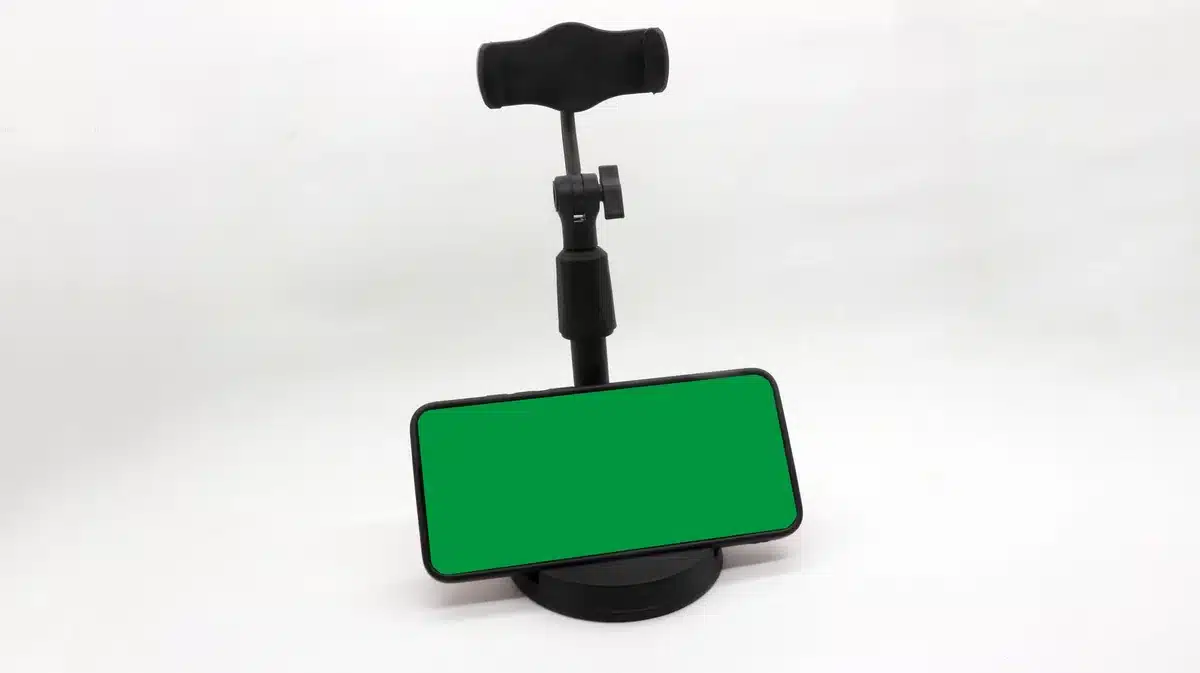
Here’s the thing nobody tells you — rearview mirror mounts work better in larger vehicles for reasons that have nothing to do with marketing hype. The physics actually make sense. Trucks and SUVs have bigger mirrors (usually 10-12 inches wide versus 8-9 inches in cars), which means more surface area for the clamp to grip. More contact points. Better stability. When you’re driving a vehicle that sits higher off the ground, that elevated position also puts your phone closer to eye level without blocking your view of the road — something that’s genuinely harder to achieve in a compact car where dashboard space is already cramped.
And the suspension thing? Real.
SUVs and trucks have stiffer suspension systems designed to handle payload. That translates to less vibration transferred to the mirror assembly during normal driving. I tested a heavy-duty rearview mirror holder on both vehicles doing the same route — potholes, highway, gravel driveway. The phone stayed rock-solid in the truck. In my sedan it bounced enough that Face ID kept failing (annoying as hell when you’re trying to skip a song).
The mirror stems are thicker too. Most truck mirrors have stems around 0.4-0.5 inches in diameter versus the 0.3-inch standard in passenger cars. Doesn’t sound like much, but it means the clamp mechanism on a quality holder has something substantial to bite into. Less wobble when you tap the screen. Less creep over time.
So if you drive an SUV or pickup and you’ve been hesitant about mirror mounts because you thought they were flimsy — actually the opposite. Your vehicle is the ideal use case. The higher seating position means you’re not craning your neck down to check navigation, and the beefier mirror construction handles the weight without that gradual droop you see in cheaper setups.
What to Look for in a Rearview Mirror Phone Holder for Large Vehicles
I bought four different holders before I figured out what actually matters. And honestly? The marketing copy is useless — every listing claims “universal fit” and “military-grade materials” like those phrases mean anything.
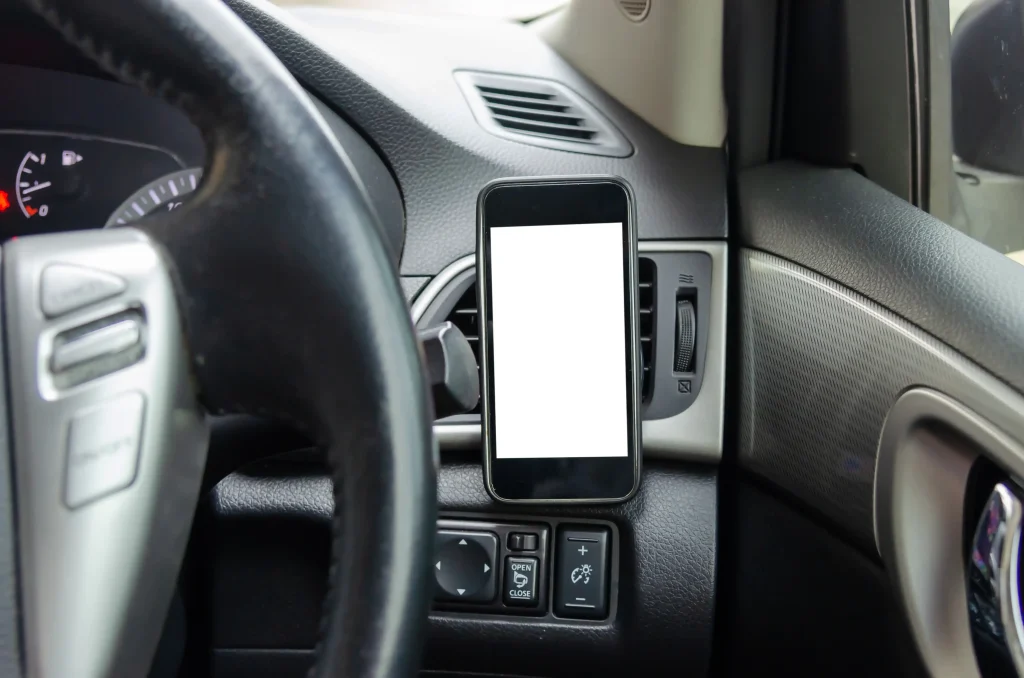
Here’s what I learned the expensive way.
Clamp diameter range is the first deal-breaker. Your truck or SUV mirror stem is probably between 0.4 and 0.5 inches thick. Maybe 0.6 if you’ve got a commercial vehicle. The heavy-duty rearview mirror holder you’re eyeing needs to explicitly state it handles stems up to at least 0.55 inches — and I mean with actual rubber contact, not just the clamp opening that wide and wobbling around. I had one holder that technically “fit” my F-150’s mirror but only made contact on about 60% of the stem circumference. Guess what happened on the first pothole.
Weight capacity gets tricky because nobody tests this honestly. But here’s a practical benchmark: if it can’t hold a iPhone 15 Pro Max in a chunky case (around 10 ounces total), it’s not heavy-duty. Period. Some mounts list a 12-ounce capacity but start sagging after two weeks with an 8-ounce phone. The mechanism fatigues. Look for metal ball joints, not plastic ones — you can usually tell from the product photos if you zoom in on the articulation points.
Padding material matters more than you’d think. Cheap foam compresses permanently after a month or two, then the holder starts rotating on the stem when you tap your screen. Silicone or rubberized grips maintain their grip pressure. They also don’t leave residue on your mirror stem (learned that one when I returned a holder and had to scrub off sticky black crud).
And the phone grip itself — this is where a lot of “heavy-duty” holders fall apart. Spring-loaded side arms are fine for sedans on smooth roads. For trucks? You want a four-corner cradle or a MagSafe-style magnetic system. Something that distributes holding force across multiple contact points. I’ve had side-arm holders let my phone bounce out on logging roads, which is exactly the opposite of what you want when you’re using navigation in unfamiliar territory.
Adjustability range is the last thing. You need at least 180 degrees of rotation and about 90 degrees of tilt. Truck cabins have wildly different sight lines depending on whether you’re in a lifted Silverado or a stock Tacoma, and the holder needs to accommodate that without requiring you to basically disassemble it and reposition everything.
The Best Rearview Mirror Phone Holder Styles for Truck and SUV Drivers
OK so here’s where most articles just dump a boring list of mount types and call it a day. I’m not doing that. What actually matters is matching the holder style to how you use your truck — because the “best” setup for a guy doing highway deliveries is totally different from someone who’s offroading every weekend.
Displays more block tools
blob:https://shuoweivip.com/b876336c-ec4d-4de2-825b-c0f69ddfce22Meta Boxes
Use up and down arrow keys to resize the meta box pane.
Clip-on mounts are what most people start with. They attach directly to your existing mirror with spring-loaded or screw-tightened clips. Simple. Cheap. And honestly? They work fine if you’re mostly on pavement. I ran one in my F-150 for about eight months doing suburban errands and it held up. But the second I took it on a fire road in Colorado, my phone was rattling like a paint mixer. The problem is physics — clip-ons only grip the mirror stem, so every bump transfers straight through.
Strap-mount holders are the step up. These wrap around the entire mirror assembly with adjustable straps (usually silicone or heavy rubber), which spreads the load and kills vibration way better. I’ve seen guys running these on commercial work trucks that do 60k+ miles a year, and the phones stay put. The trade-off? Installation takes maybe three minutes instead of thirty seconds, and you need to make sure the straps don’t block your mirror adjustment controls. Worth it if you’re serious about durability.
Then there’s the clamp-and-ball-joint style — basically a heavy-duty rearview mirror holder with a threaded clamp base and an articulating arm. These are overkill for most people. But if you’re running a lifted rig with aggressive tires and you actually use it offroad, this is the move. The ball joint lets you position your phone anywhere in a 360-degree range, and the clamp distributes pressure across a wider surface area than clips. I tested one on a buddy’s Raptor last summer and the thing didn’t budge through whoops that were launching my coffee cup.
Magnetic mounts deserve a mention too, even though they’re controversial. MagSafe-compatible holders are slick — just slap your phone up there and go. Zero fiddling with clamps. The concern is always “will it stay during hard braking?” and honestly, if you buy a quality magnetic mount designed for trucks (not the $12 gas station version), yes. The magnets are strong enough. Just don’t expect them to hold a phone in a bulky Otterbox.
How to Install a Rearview Mirror Phone Mount Without Blocking Your View
OK so here’s the thing everyone screws up: they mount their phone directly in the center of the mirror and then wonder why they can’t see the Civic merging into their blind spot. I’ve done this. You’ve probably done this. It’s the default move and it’s wrong.
The trick is offset positioning — mount your heavy-duty rearview mirror holder slightly to the right or left of your natural sightline, not dead center. When I’m sitting in the driver’s seat with my normal posture, I look through a specific zone of the mirror to check traffic behind me. That zone is sacred. Your phone doesn’t go there. It goes in the peripheral area where you’re just seeing sky or the roof of the car behind you anyway.
Most quality clamp-style mounts let you slide the bracket along the mirror stem before you tighten everything down. Test it first. Sit in the driver’s seat, look at where you actually check your mirror, then position the mount about 2-3 inches to the passenger side of that spot. You’ll still have full visibility of the road behind you, and your phone sits just outside your primary viewing cone.
And listen — if you’ve got a massive phone (I’m looking at you, Pro Max users), angle matters as much as position. Tilt the mount so your phone leans back slightly toward the windshield instead of hanging straight down. This pulls the bottom edge of your phone away from the center of the mirror. It’s a small adjustment but it makes a huge difference in how much mirror real estate you lose.
Here’s what actually works for different vehicle types:
- Sedans and coupes: Mount to the passenger side, tilt 15-20 degrees back. Your mirror is smaller so every inch counts.
- Trucks and SUVs: You’ve got more mirror to work with. Center-right positioning works fine, minimal tilt needed.
- Compact cars: Honestly? Consider a vent mount instead if your mirror is tiny. Sometimes the rearview just doesn’t have the room.
One more thing (because I learned this the annoying way): before you lock down that heavy-duty rearview mirror holder permanently, drive around the block. Check your blind spots. Merge onto a highway if there’s one nearby. You might think the positioning is perfect when you’re parked in your driveway, but real-world driving will tell you if you’ve blocked something critical. Adjust now, not three days later when you’re already used to the wrong setup.
Conclusion
Look — a heavy-duty rearview mirror holder is one of those purchases where spending an extra $8 now saves you from buying three cheap ones later. The difference between a solid mount and a wobbly disaster is literally whether you trust your phone not to fly into your lap mid-turn.
Get something with actual grip strength. Test the positioning before you commit. And if your mirror is genuinely too small to share real estate with a phone mount, just accept it and go with a vent clip instead.
Your windshield visibility matters more than stubbornly making the rearview work when it doesn’t.
Frequently Asked Questions
Q: What makes a rearview mirror holder “heavy-duty” compared to regular ones?
A: It’s all about the clamp mechanism and material thickness. A heavy-duty rearview mirror holder uses wider grips (usually 2+ inches), thicker steel or reinforced plastic, and way more clamping force — think 15-20 pounds of grip instead of the flimsy 5-pound squeeze you get from gas station versions. The difference shows up immediately when you hit a pothole.
Q: Will a heavy-duty phone mount damage my rearview mirror?
A: Not if it’s designed properly. The good ones use rubberized contact points that distribute pressure evenly across the mirror stem. I’ve run the same mount for two years on my stock mirror with zero scratches or loosening — but yeah, if you crank down some cheap metal clamp with no padding, you’re asking for trouble.
Q: Can I use a heavy-duty rearview mirror holder with a phone case on?
A: Most handle cases up to about 0.4 inches thick without issue. Anything beyond that (looking at you, Otterbox Defender users) and you’ll need to check the mount’s maximum grip width before buying. PopSockets are usually fine, but those wallet cases with the kickstand? They mess with the balance.
Q: How much weight can a heavy-duty rearview mirror holder actually support?
A: Most legit heavy-duty models are rated for 8-12 ounces, which covers basically every smartphone plus a thick case. Your iPhone 15 Pro Max weighs about 7.8 ounces — so there’s headroom. But trying to mount a tablet? That’s when mirrors start tilting forward and you realize physics still applies.
Q: Why does my rearview mirror mount keep slipping down over time?
A: Either the clamp lost tension (cheap spring mechanism) or the mirror stem itself is too smooth and narrow for the mount’s grip pads. You can try wrapping the stem with electrical tape to add friction, but honestly — if it’s slipping after a week, just return it and get something with an actual ratcheting tightener instead of a squeeze clamp.
Q: Are rearview mirror phone mounts legal in all states?
A: Depends where you live. Some states (like California and Minnesota) have windshield obstruction laws that technically include anything blocking your view — and a heavy-duty rearview mirror holder with a big phone absolutely counts. Enforcement is spotty, but if you’re in a strict state, a vent mount might save you a ticket.
Q: How do I stop my heavy-duty rearview mirror holder from vibrating on rough roads?
A: Tighten the clamp more than you think you need to — like, really crank it. If it’s still bouncing, the issue is usually that the mount’s arm is too long or flexible. Look for models with a shorter neck (under 4 inches) or one with a reinforced ball joint that locks in place instead of staying adjustable.