
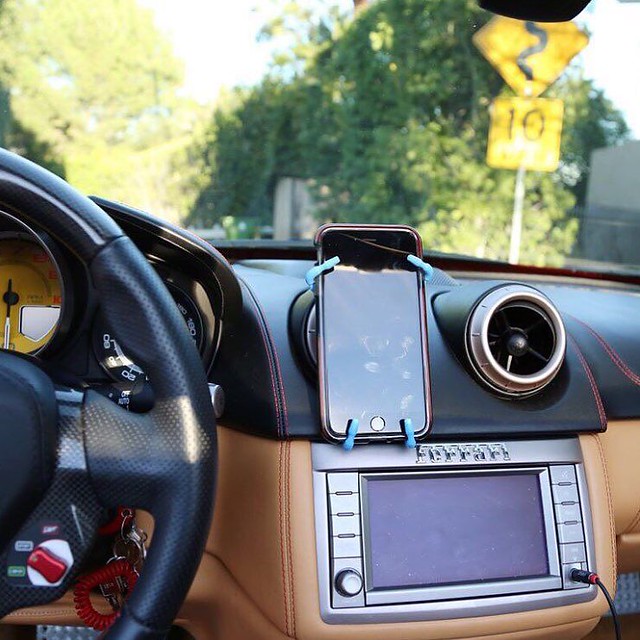

When to Replace Car Phone Holders Across Your Fleet: Signs to Change Mount Before It Costs You
Fleet procurement decisions rarely happen in isolation — and swapping out car phone holders across a vehicle pool is no different. Mounting hardware wears down slowly, and the real cost of ignoring that wear tends to surface in ways nobody’s tracking: damaged phones, distracted drivers, liability headaches that only get noticed after something’s already gone wrong.
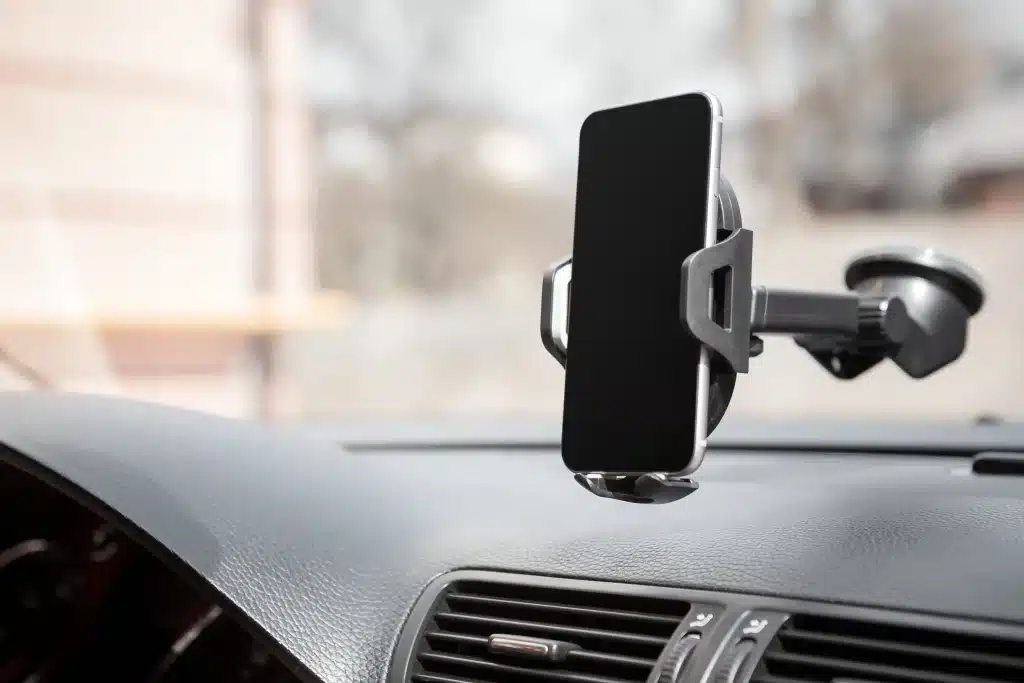
Here’s the thing — the most reliable signs you need new mount hardware at scale aren’t big dramatic failures. They’re quiet. A clip that doesn’t snap shut the way it did six months ago. A suction base that needs repositioning every morning. A gooseneck arm that slowly drifts on motorway routes. On their own? Minor annoyances. Across thirty or fifty vehicles, they’re a systemic quality problem — and a sourcing issue worth dealing with before the next procurement cycle rolls around.
There are a few specific conditions that should trigger a formal replacement review:
- Visible stress fractures or discoloration on the mount body — especially around the hinge and clamp mechanism
- Grip failure on suction or magnetic mounts, particularly after temperature cycling in vehicles parked outdoors
- Incompatibility with updated device models issued during a hardware refresh
- Drivers repositioning their mount more than once per shift — that’s a dead giveaway the locking mechanism has lost its retention force
- Mounts sourced from a supplier who can no longer supply replacement parts or updated SKUs
That last one matters more than most procurement managers expect. When a supplier quietly discontinues a model, fleet operators end up managing a patchwork of mismatched hardware — some units still holding up, others failing — and standardized replacement becomes a nightmare. Working with a supplier who keeps consistent SKUs, supports OEM spec updates, and can fulfill repeat orders against the same product brief (something Shuowei is set up to handle for international buyers) cuts that risk down significantly.
So look — you don’t have to wait for complete failure before pulling the trigger on a fleet-wide replacement. A proactive schedule tied to vehicle service intervals or device refresh cycles is almost always cheaper than reactive, last-minute procurement. It also puts buyers in a much stronger position to negotiate volume pricing, set quality benchmarks upfront, and consolidate sourcing instead of placing fragmented spot orders every few months.
Choosing the Right Replacement Car Phone Holder for Commercial and Fleet Use
Fleet procurement decisions around mounting hardware tend to get underestimated — right up until a wave of unit failures hits across multiple vehicles at the same time. At that point, buyers are scrambling for stock that matches existing specs, often settling for whatever’s available rather than what actually fits the brief. Building a proper supplier selection framework before that happens is where the real operational value sits.
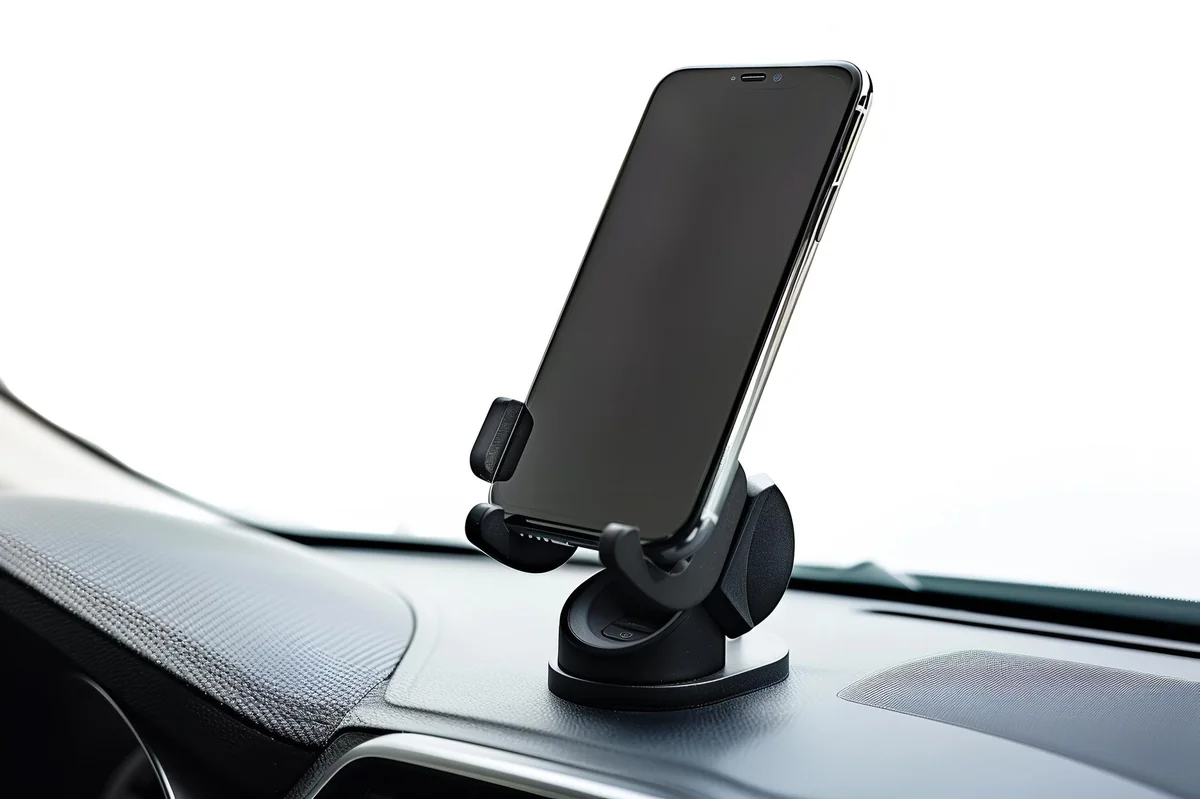
The baseline criteria matter more than most buyers initially assume. Mounting compatibility across your specific vehicle makes and device profiles, material durability ratings for high-heat or high-vibration environments, and consistent dimensional tolerances across production batches — these aren’t premium considerations, they’re minimum requirements for commercial use. When a fleet spans dozens or hundreds of vehicles, even minor variation between units creates installation inconsistency and accelerates the signs to change mount before the product’s useful life is actually up.
A few practical factors to evaluate when qualifying a supplier to replace car phone holder stock at scale:
- MOQ flexibility — can the supplier accommodate phased rollouts, or do minimums force you into holding excess inventory?
- SKU consistency — are product specs locked across repeat orders, or subject to silent revisions between batches?
- Certification documentation — CE, RoHS, or relevant regional compliance paperwork should be available on request, not chased down after the fact
- Lead time reliability — particularly for time-sensitive fleet refresh programs tied to vehicle service cycles
- OEM/ODM capability — if your fleet has specific branding, mounting configurations, or device compatibility requirements, can the supplier accommodate custom specs?
Suppliers structured for international B2B fulfillment — like Shuowei, which supports OEM spec management and repeat-order consistency for export buyers — are worth prioritizing specifically because they’re built around the kind of project coordination that fleet accounts actually need. Ad-hoc consumer-channel sourcing rarely delivers that.
The decision to replace car phone holder units fleet-wide is also a supplier relationship decision. Getting that relationship right upfront — with clear quality benchmarks, documented specs, and agreed lead time expectations — determines whether future replacement cycles run smoothly or turn into the same reactive scramble all over again.
What to Look for in a Fleet-Grade Car Phone Holder Supplier: MOQ, Certifications, and Lead Times
Fleet procurement decisions live or die on supplier reliability — and sourcing replacement car phone holder units at scale introduces a specific set of variables that consumer-channel purchasing simply doesn’t prepare buyers for. MOQ thresholds, certification documentation, and realistic lead time commitments all need to be established before a purchase order is raised, not after.
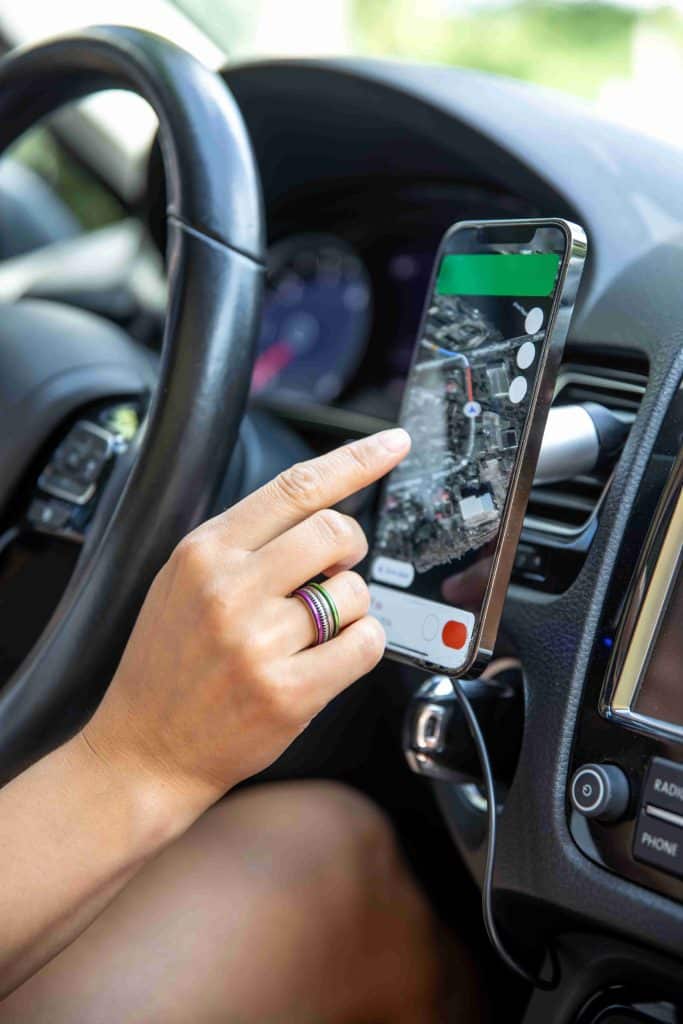
MOQ is usually the first friction point. Many manufacturers set minimums that work fine for a single depot order but become awkward when a fleet operator needs to replace car phone holder units across multiple vehicle classes with different mount configurations. The practical question isn’t just “what’s the minimum?” — it’s whether the supplier can accommodate split SKU orders within a single MOQ tier, or whether each configuration variant triggers its own threshold. That distinction matters enormously when managing mixed fleets.
On certifications: any mount going into a commercial vehicle context should carry relevant regional compliance documentation. CE marking for European markets, FCC or UL recognition for North American buyers, and RoHS compliance for environmental requirements are baseline expectations — not optional extras. A supplier who can’t produce these on request is a liability, especially when procurement teams are tracking the signs to change mount units across a fleet and need audit-ready records to justify the replacement cycle internally.
- Request sample certification documents during supplier qualification — not just confirmation that they exist
- Confirm whether certifications apply to the specific SKU being ordered, not a generic product family
- Ask whether the supplier maintains documentation for custom or OEM-specified variants
- Clarify which certifications are standard and which require additional testing lead time
Lead times deserve the same scrutiny. Standard production windows vary considerably depending on whether a supplier is running stock product or building to a customized spec. Shuowei, for instance, structures its export fulfillment around documented project timelines and repeat-order consistency — which is exactly the kind of operational visibility a fleet procurement manager needs when planning a phased replace car phone holder rollout across multiple sites or vehicle batches.
Buffer stock agreements and scheduled blanket orders are worth negotiating upfront. Reactive sourcing — ordering only when mounts start failing — compounds delays and disrupts operations. A supplier relationship built around forward planning, clear spec documentation, and predictable lead time windows converts what could be a recurring headache into a manageable maintenance line item.
Building a Smarter Replacement Cycle for Fleet Phone Mounts That Cuts Downtime and Waste
Reactive replacement is the enemy of operational efficiency. Fleet managers who wait until mounts visibly fail — cracked bases, stripped adjustment joints, intermittent grip failure — absorb the compounding costs of device downtime, driver workarounds, and emergency sourcing. A structured replacement cycle flips that equation entirely, converting a failure-driven cost into a predictable, budgeted maintenance activity.
The starting point is building a usage-based replacement threshold rather than a calendar-based one. Mileage accumulation, mounting surface type, and climate exposure all degrade components at different rates. A vehicle operating in high-vibration or high-temperature conditions will surface signs to change mount well ahead of a standard duty cycle — loose retention, rattling hardware, and surface crazing on the base adhesive are the early indicators worth tracking before they escalate into device drops or mounting failures on the road.
From a procurement standpoint, that threshold data has direct commercial value. Once fleet operators establish average failure windows by vehicle class or route type, they can negotiate blanket orders with suppliers around those intervals — committing to volume across a defined period in exchange for price consistency and priority lead time. That structure rewards both sides: the buyer avoids spot-purchase premiums, and the supplier can plan production runs with confidence.
Building a smarter replace car phone holder cycle also means standardizing on fewer SKUs. Mixed mount specifications across a fleet create procurement friction — different installation kits, incompatible cradle sizes, and varied torque requirements complicate both installation and tracking. Consolidating around two or three validated configurations, ideally with OEM-aligned specs, simplifies reorder logic and reduces the risk of incompatible substitutions when stock runs low.
- Document failure modes by vehicle type and operating environment to calibrate replacement intervals accurately
- Negotiate scheduled delivery windows tied to fleet service cycles, not ad hoc failure events
- Standardize mount specifications across vehicle classes to reduce SKU complexity and reorder friction
- Require suppliers to hold safety stock or offer buffer agreements for high-volume fleet accounts
- Align replace car phone holder timelines with broader device management or vehicle servicing schedules to consolidate labor costs
Suppliers with documented order management processes — clear spec records, repeat-order consistency, and transparent lead time communication — are the right partners for this kind of structured program. The procurement relationship itself becomes part of the operational infrastructure, not just a transactional event.
Conclusion
The decision to replace car phone holder units reactively — one failure at a time — is the kind of inefficiency that compounds quietly until it becomes a real operational problem. Get ahead of it. Build the replacement cycle into your service schedule, standardize your specs, and treat your supplier relationship as infrastructure, not a backup option.
Procurement discipline here isn’t overkill. It’s just good fleet management.
If you’re sourcing at volume, work with suppliers who can actually support a structured program — consistent specs, documented lead times, buffer stock agreements. That’s the difference between a solved problem and a recurring one.
Frequently Asked Questions
Q: How often should you replace car phone holder units in a fleet?
A: Most fleet operators find a 12-to-18-month replacement cycle works well for high-use vehicles — daily drivers especially — but the real trigger should be function, not the calendar. If the mount is losing grip, rattling, or failing to hold position under normal road vibration, it’s already past its useful life. Waiting for a full failure means waiting for a distraction risk.
Q: What are the signs that it’s time to replace car phone holder components?
A: The clearest signals are grip failure (the phone slides or drops during turns), a loose swivel joint that won’t hold angle, and visible cracking in the arm or base — particularly around the clamp mechanism. A holder that “mostly works” is often more dangerous than one that’s clearly broken, because drivers compensate instead of replacing it.
Q: How much does it cost to replace car phone holder units at volume?
A: Unit pricing varies significantly by mount type and specification, but wholesale buyers sourcing through OEM or B2B channels typically see meaningful cost reduction compared to retail — especially when ordering standardized specs in bulk. The real cost calculation should factor in installation labor and downtime, not just the hardware itself.
Q: Can I replace car phone holder parts individually, or does the whole unit need to go?
A: It depends entirely on the mount design. Modular systems — where the base, arm, and head are separate components — do allow partial replacement, and some commercial-grade holders are built specifically with this in mind. Most consumer-grade units, though, aren’t designed for part-level repair; by the time one component fails, the rest has usually taken similar wear.
Q: Why do car phone holders fail faster in some vehicles than others?
A: Heat is the primary culprit — dashboard-mounted holders in vehicles parked in direct sun degrade significantly faster, particularly the plastic joints and adhesive bases. Road vibration profiles also matter; vans and trucks on uneven routes stress the locking mechanism far more than a sedan in urban traffic. Matching mount construction (material grade, joint type) to the actual operating environment is something most buyers skip — and it’s exactly why replacement cycles end up shorter than expected.
Q: How do I choose the right replacement car phone holder for commercial use?
A: Prioritize adjustability range, clamping force rating, and base compatibility with your vehicle’s dash or vent configuration — not brand aesthetics. For fleet procurement specifically, sourcing a single standardized spec across all vehicles simplifies installation, reduces training variation, and makes future bulk reorders straightforward. Suppliers who offer OEM customization (like custom branding or modified arm lengths) can help lock in a spec that doesn’t drift between orders.
Q: Is it worth upgrading when you replace car phone holder units, or just like-for-like?
A: If the original spec was failing prematurely, like-for-like is the wrong call — you’re just resetting the same failure clock. Use a replacement cycle as a review point: assess whether a different mount type (magnetic vs. clamp, vent vs. dash vs. windshield) would better suit actual driver behavior and vehicle conditions. An upgrade that costs marginally more per unit but lasts twice as long is straightforwardly better economics.
Q: How long does a quality car phone holder typically last before needing replacement?
A: A well-specified mount in a moderate-use environment — climate-controlled cabin, paved roads, standard phone weight — can reasonably last two to three years. Push that into a high-heat, high-vibration commercial setting and the realistic lifespan drops considerably, often to under a year for lower-grade units. The spec sheet matters less than the actual operating conditions the holder will face every day.