
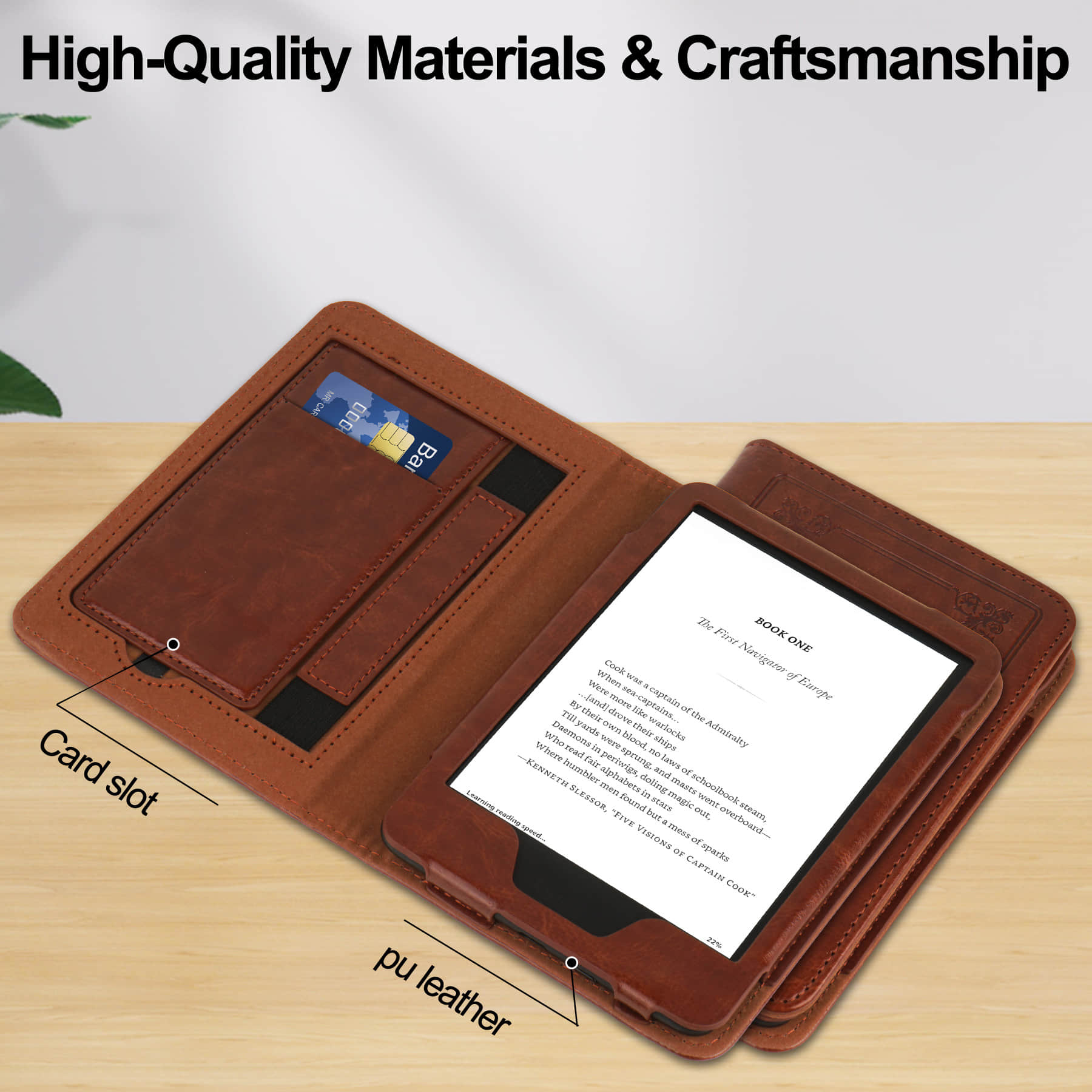

Why Your PU Leather Tablet Case Might Not Be What You Think It Is
So I bought what I thought was a leather tablet case last month. Looked good in the photos. Felt… fine when it arrived. Then my coffee-obsessed coworker leaned over, touched it, and said “that’s plastic, dude.” He was right.
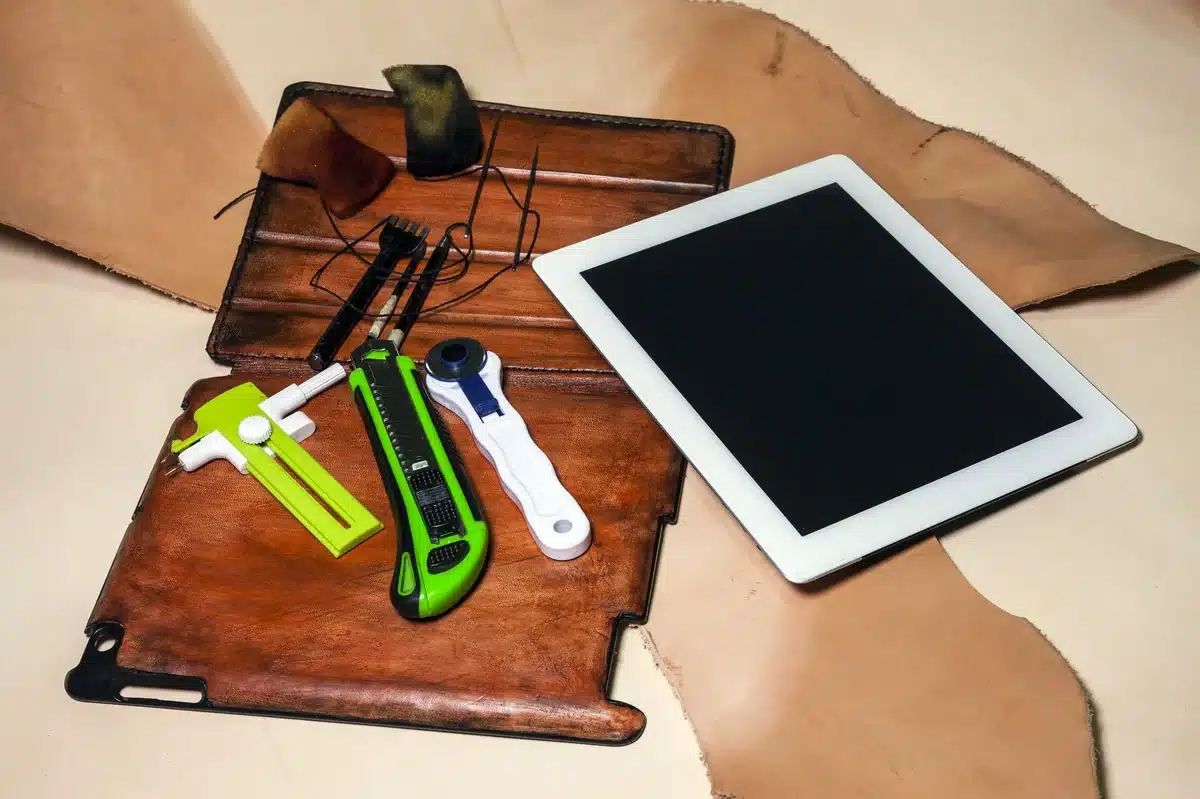
Here’s the thing about PU leather — and I say this as someone who’s tested maybe thirty of these cases over the years — most people have no idea what they’re actually buying. The label says “leather.” Your brain reads “leather.” But what you’re getting is polyurethane bonded to a fabric backing. Which is fine! Honestly. But it’s not what you think it is.
PU stands for polyurethane. It’s a plastic coating designed to mimic the look and texture of animal hide. The process involves taking a fabric base (usually polyester or cotton) and coating it with this synthetic material that — when done well — looks surprisingly convincing. Some manufacturers even add grain patterns that match genuine leather so closely you’d need a microscope to tell the difference.
But here’s where it gets weird. Not all PU leather tablet cases are created equal, and the quality range is absolutely bonkers:
- Budget cases (under $15) often use thin PU that starts peeling within months
- Mid-range options ($20-40) typically have thicker coatings that hold up better but still show wear
- Premium PU cases ($50+) sometimes outlast cheap genuine leather — the irony isn’t lost on me
And then there’s the labeling mess. Some brands call it “vegan leather” (technically true). Others say “synthetic leather” or just “leather” with tiny “PU” letters you need reading glasses to see. I’ve even seen “eco-leather” on Amazon listings, which… I mean, it’s made from petroleum byproducts, so let’s not get carried away with the eco-friendly claims.
The part that actually bothers me? Most people don’t care about the material itself — they care about durability, protection, and whether the thing looks decent in a meeting. A good PU leather tablet case checks all those boxes. A bad one peels like a sunburn after three months.
The Burn Test and Three Other Ways to Verify Real PU Leather Material
So I torched a corner of my tablet case last month. On purpose. With a lighter.
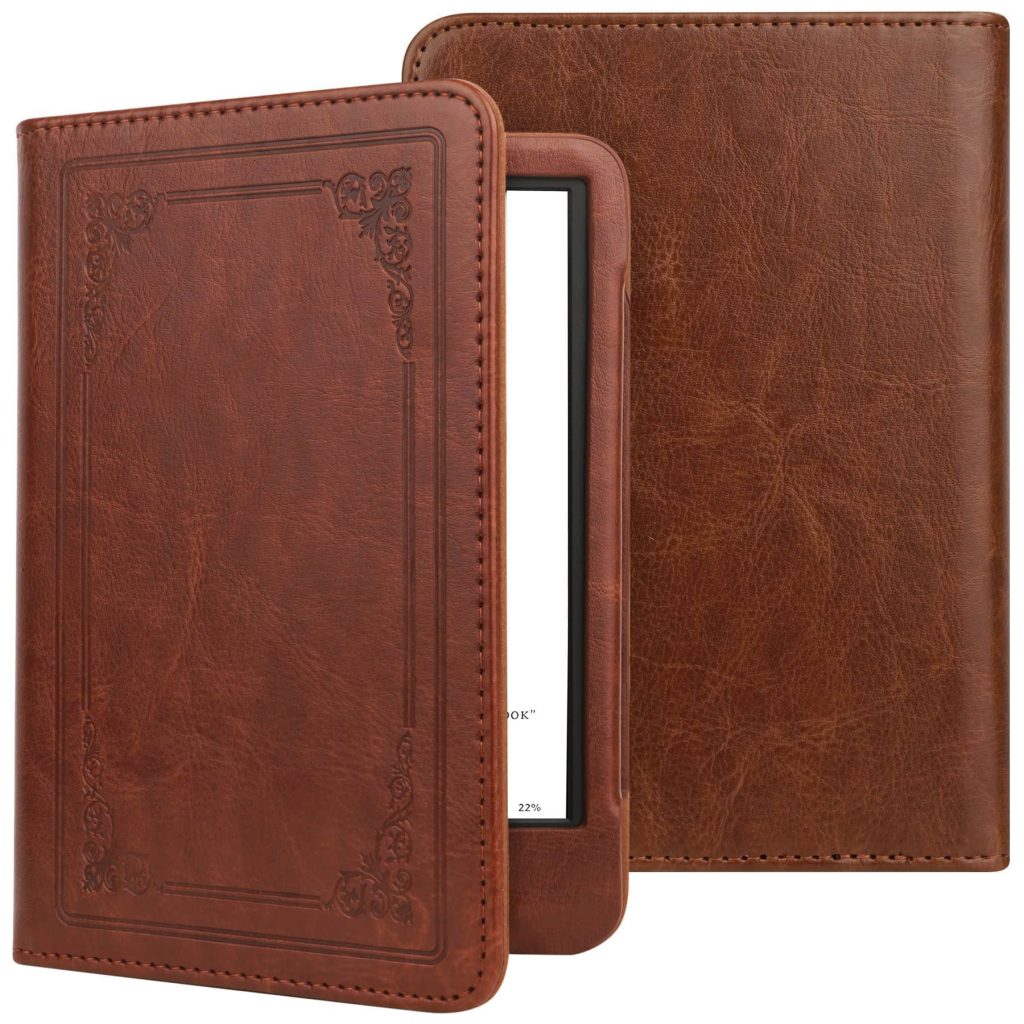
Sounds unhinged, I know — but the burn test is the fastest way to tell if you’re holding actual PU leather or some mystery material a factory decided to call leather. Real PU smells like burning plastic when you hit it with flame (because, well, it is plastic). It melts instead of charring. Genuine leather smells like… burning hair? It’s awful either way, but the scent difference is unmistakable. I did this in my garage after buying what was supposedly a “premium leather” case on Amazon for my iPad. Spoiler: it was PU. The listing got corrected two weeks later.
But maybe you don’t want to set your new purchase on fire. Fair.
The water bead test works too. Drop water on genuine leather and it absorbs slowly, darkening the surface. On PU leather tablet cases, water just sits there looking smug — beading up like it’s on a raincoat. I’ve tested this on probably fifteen cases at this point (I have a problem). The bead stays intact for 30+ seconds on PU. Real leather? Gone in ten.
Then there’s the flexibility check, which sounds fancy but really just means “bend the thing.” PU leather creases uniformly and bounces back. Genuine leather creases with character — the wrinkles stay, deepen over time, look almost intentional. Fold a PU case corner and release it. Smooth again. Do the same with real leather and you’ve just created a permanent memory line.
And the smell test — honestly my favorite because it requires zero equipment. Stick your nose right up to the material. PU leather smells like a new shower curtain or that chemical-sweet scent of a Halloween costume fresh out the package. Genuine leather smells earthy, organic, sometimes even a little musty if it’s been sitting in warehouse storage. My coworker swears her real leather case smells like “a fancy shoe store.” She’s not wrong.
One warning though: some manufacturers coat PU with leather-scented chemicals now. Because of course they do. So if you’re getting strong leather vibes but the water still beads? Combine tests. Trust nothing.
What Fake PU Leather Feels Like (And Why It Falls Apart in Six Months)
I bought a $22 PU leather tablet case from Amazon in March. By September the corners looked like someone had taken a cheese grater to them.
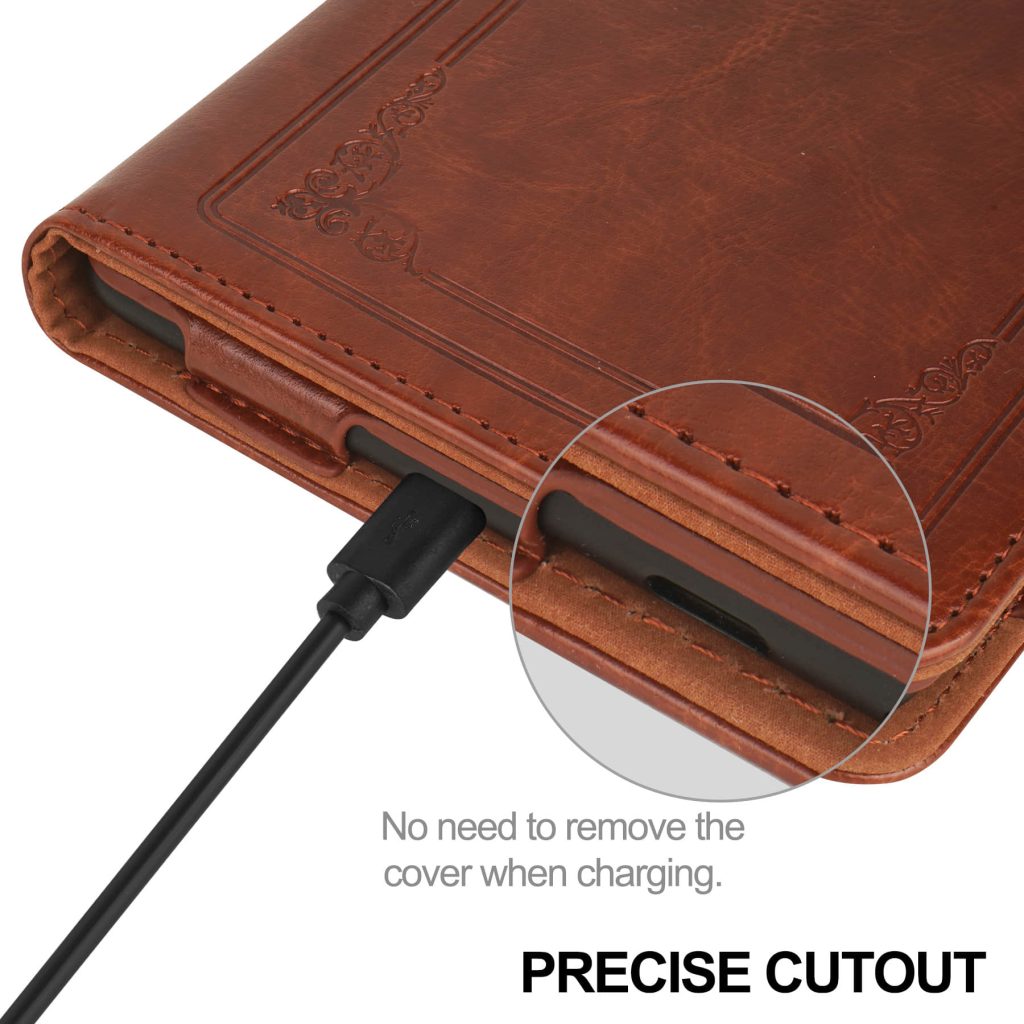
That’s the thing nobody tells you upfront — fake PU feels amazing for about three weeks. Smooth, supple, almost buttery if the manufacturer did a decent job with the coating. You fold it, it bounces back. You wipe it down, looks brand new. Then month four hits and suddenly you’re watching this thing age in dog years.
The texture changes first. That smooth finish? It starts feeling tacky, like it’s developing a thin layer of… I don’t even know what to call it. Grime that won’t wipe off. My sister described hers as “sticky but also somehow dusty at the same time” which sounds impossible but yeah, that’s exactly it.
Then comes the peeling. Always starts at stress points — where the case bends, where your palm rests when you’re holding the tablet, around the camera cutout. The polyurethane coating literally separates from the fabric backing underneath. You’ll see these little bubbles form, then they crack, then you’re picking at loose flakes while you’re supposed to be watching Netflix. (Don’t pick at them. Makes it worse. I know from experience.)
And the fabric underneath? Not pretty. Usually some kind of cheap polyester mesh that looks like the lining of a knockoff purse. Gray or beige, slightly fuzzy, completely destroys any illusion that you were carrying something premium.
So why does this happen so fast with cheap PU leather tablet cases specifically? Two reasons. First, tablets get shoved in bags, tossed on desks, folded and unfolded constantly — way more mechanical stress than a wallet or a decorative pillow. Second, heat. If you’ve ever left your tablet in a hot car or used it outside in summer, that polyurethane coating basically starts breaking down on a molecular level. The plasticizers evaporate, the coating gets brittle, game over.
Higher-end PU can last 18-24 months if you baby it. But that $15-30 range? Six months is generous.
How to Read Tablet Case Labels Without Getting Fooled by Marketing Speak
OK so I learned this the hard way after buying what I thought was a “genuine leather” case on Amazon for $22. Spoiler: it wasn’t.
The trick is knowing what the marketing copy is actually telling you — and more importantly, what it’s deliberately not saying. Most brands aren’t outright lying (that’d be illegal), but they’re absolutely playing word games to make you think you’re getting something better than you are.
Here’s your decoder ring:
- “Premium PU leather” — Still plastic. The word “premium” means nothing here, it’s just grade-A marketing fluff.
- “Vegan leather” — Also PU. Sounds eco-friendly, still polyurethane bonded to fabric backing.
- “Genuine leather accents” — Ah, this one’s sneaky. The case itself? PU. But maybe the little logo patch is real leather. Technically true!
- “Leather-like texture” or “leather finish” — They’re not even pretending anymore. This is PU and they know you know.
- “Top-grain leather” with no further details — Might be real, but if they don’t specify full-grain or mention the tanning process, I’m skeptical. Real leather brands brag about that stuff.
- “Durable synthetic material” — Honest, at least. It’s plastic.
The dead giveaway is price. If a tablet case costs under $35 and says “leather” anywhere in the title, it’s PU. Real leather cases for tablets start around $60-70 and go up from there — because actual cowhide costs money to source and work with.
And watch for the phrase “bonded leather.” That’s technically real leather… ground into dust, mixed with polyurethane adhesive, and pressed onto fabric backing. It’s the hot dog of leather products. Wears worse than straight PU, honestly.
So if you’re shopping and you see a PU leather tablet case marketed as anything other than what it is — synthetic, plastic-coated, temporary protection that’ll look rough within a year — just know what you’re actually buying. No judgment if that’s what you want. But don’t let the marketing team convince you it’s something it’s not.
Conclusion
Look — a PU leather tablet case is fine if you know what you’re signing up for. Cheap protection that looks decent for six months to a year, then starts peeling like a bad sunburn. Just don’t convince yourself you’re getting real leather at $25, because you’re not.
If you need something temporary or you’re hard on your gear anyway, go for it. But if you want a case that’ll actually age instead of disintegrate, save up for genuine leather or just get a good fabric case. At least fabric doesn’t pretend to be something it’s not.
And next time you’re shopping, remember: if the price seems too good to be true for “leather,” it’s because it’s plastic with good PR.
Frequently Asked Questions
Q: What’s the difference between PU leather and real leather for tablet cases?
A: Real leather is actual animal hide that ages and develops character over time — PU leather is polyurethane plastic with a texture stamped on it. A genuine leather case might last 5-10 years and look better with age, while your PU leather tablet case will start peeling after 12-18 months. The price tells you everything: real leather cases start around $60-80, PU versions run $15-30.
Q: How long does a PU leather tablet case actually last?
A: Honestly? About a year if you use it daily, maybe two if you’re gentle. The coating starts flaking first — usually at the corners and edges where your hands touch it most. I’ve seen some budget cases start peeling within six months.
Q: Can you repair a PU leather case when it starts peeling?
A: Not really, no. Once that polyurethane coating breaks down, it’s game over — the peeling just spreads like a rash. You can’t re-seal it or patch it the way you could condition real leather.
Q: Is a PU leather tablet case waterproof?
A: Water-resistant at best, definitely not waterproof. PU leather will handle a few drops or light rain, but submerge it or leave it in a puddle and you’re asking for trouble. The seams and edges are where water sneaks in first, and once moisture gets between the fabric backing and the PU coating, it starts separating.
Q: Why does my PU leather case smell like plastic?
A: Because it is plastic. That chemical smell is the polyurethane off-gassing, especially if the case is brand new or has been sitting in a hot car. Real leather smells organic and earthy — if your tablet case smells like a shower curtain, well, now you know why.
Q: How do I clean a PU leather tablet case without ruining it?
A: Damp cloth with mild soap, that’s it. Don’t use alcohol wipes or harsh cleaners — they’ll strip the coating faster than normal wear. Just wipe it down gently and let it air dry, and whatever you do, don’t scrub hard or you’ll accelerate the peeling process.
Q: Are expensive PU leather cases better than cheap ones?
A: Marginally, but don’t expect miracles. A $40 PU leather tablet case might have thicker coating and better stitching than a $15 Amazon special, so you might get two years instead of one. But you’re still buying plastic — it’ll fail eventually, just maybe not as embarrassingly fast.