
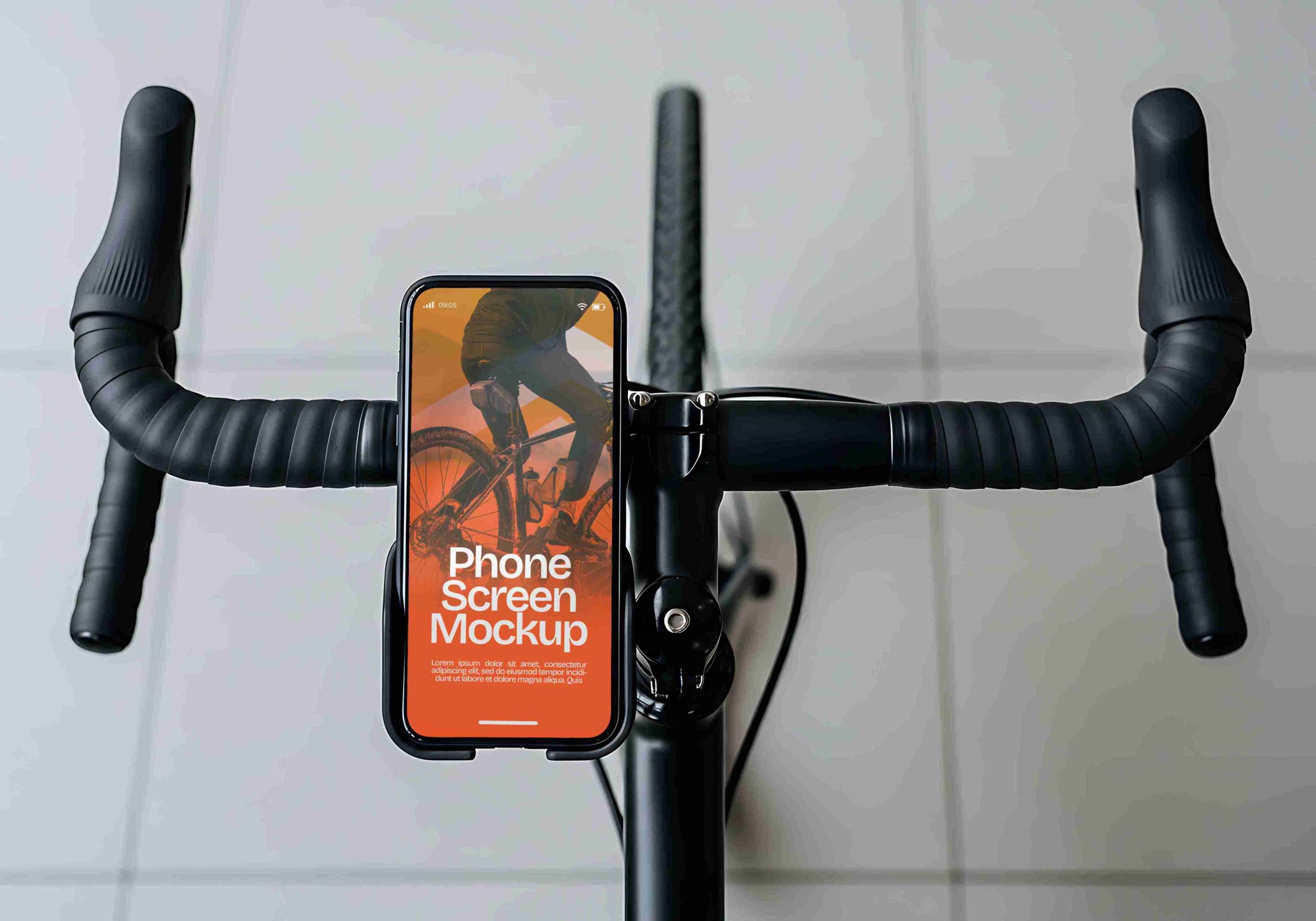

Why Your Bike Share Phone Mount Keeps Failing (And What Actually Works)
I’ve watched my phone bounce off a Citi Bike three times in the past year. Once on the Williamsburg Bridge — nearly lost it to traffic below — and twice on pothole-riddled streets in Brooklyn. Each time I thought I had a “good enough” mount.
Turns out? There’s no such thing as “good enough” when you’re dealing with bike share frames.
The problem isn’t your phone holder. It’s that bike share bikes are fundamentally different from your personal ride. Those thick, oddly-shaped handlebars? They’re designed to be vandal-resistant and weather-proof, not mount-friendly. Most bicycle sharing phone holders are built for standard 22-25mm road bike bars. Bike share bars can be 31mm or wider in spots, with weird oval profiles that make clamping a nightmare.
And then there’s the vibration issue — something nobody talks about until their $900 iPhone is rattling loose at 15 mph. Bike share bikes don’t have suspension. They weigh 45-50 pounds. Every crack in the pavement transfers directly through that steel frame to whatever you’ve strapped on.
So what actually fails first? The clamp mechanism gives out way before anything else. Those spring-loaded grips or elastic bands that work fine on your Trek? They loosen after maybe a dozen rides on a Divvy or Santander bike. I’ve had mounts that felt rock-solid in my hand turn into wobbly disasters after two weeks of commuting.
But here’s what I’ve learned works: you need something with a screw-tighten mechanism (not springs), silicone padding that actually grips those fat bars, and — this is critical — a secondary safety strap. Always. Because even the best mount will eventually vibrate loose, and that backup tether is the difference between “oh crap that’s loose” and “goodbye phone.”
The mounts designed specifically for thick bars, usually marketed for mountain bikes or e-bikes, tend to survive bike share duty. They cost $8-12 more than the cheap ones. Worth every penny.
The Real Reason Most Riders Choose the Wrong Phone Holder for Shared Bikes
OK so I’m going to be blunt here: most people pick their bike share phone holder based on Amazon reviews and a $15 price point, then act surprised when it fails. I did this. Twice.
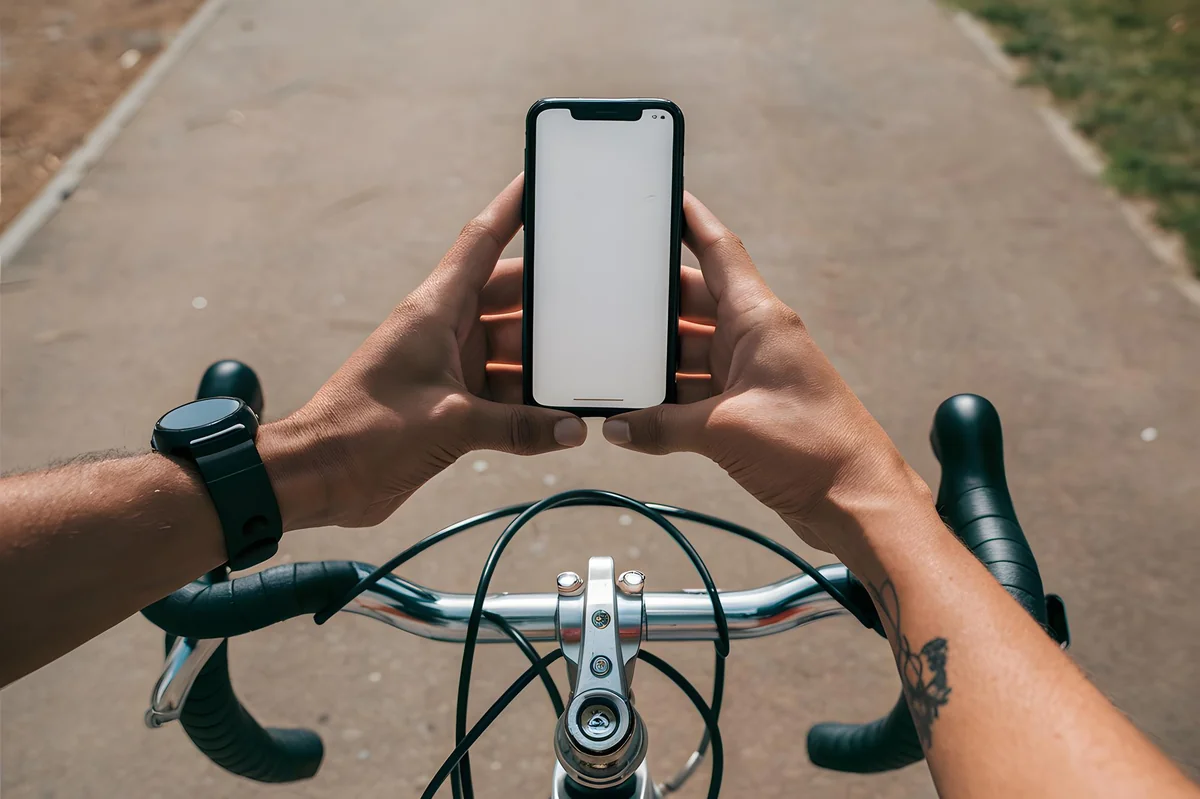
The problem isn’t that you’re cheap or lazy — it’s that you’re shopping for the wrong use case entirely. You’re looking at holders designed for people who own bikes. People who baby their equipment. People whose bikes live in climate-controlled garages and get wiped down after rides. That’s not bike sharing.
Bike sharing is chaos. It’s bikes that sit in the rain for three days, get grabbed by strangers who yank the handlebars weird, and have bars covered in mystery grime that might be dirt or might be last week’s coffee spill. The mount you need has to survive that — and most don’t because they were never designed to.
Here’s what actually happens: you see a holder with 4.5 stars and 2,000 reviews. Looks great. Works perfectly on someone’s road bike with 31.8mm bars that never leave their sight. But bike share bars? They’re often 25.4mm (the older standard), sometimes bent slightly, always covered in a texture that makes grip unpredictable. That holder you bought was tested on clean, straight, consistent bars. Not the weathered beast you’re clamping onto at 7am on a Monday.
And then there’s the vibration issue nobody talks about. Bike share bikes rattle differently than personal bikes — worn bearings, loose headsets, tires that haven’t been properly inflated in weeks. All that extra movement works against spring-loaded mounts and anything relying on friction alone. What feels secure on a smooth ride turns into a phone-ejecting machine on actual city streets.
So you end up replacing your holder every month or two. Maybe three if you’re lucky. The $15 savings becomes $60 in replacements by summer.
The riders who figure this out early? They skip straight to mounts built for extreme conditions — the kind designed for mountain biking or motorcycle use. Overkill for a personal bike. Perfect for bike sharing chaos.
What Makes Bicycle Sharing Phone Holders Different From Regular Bike Mounts
I watched a guy at a Citi Bike station in Brooklyn try to mount his regular phone holder three times before giving up. Just stood there, confused, because his expensive Ram Mount had nowhere to grip. That’s the first thing people don’t get.
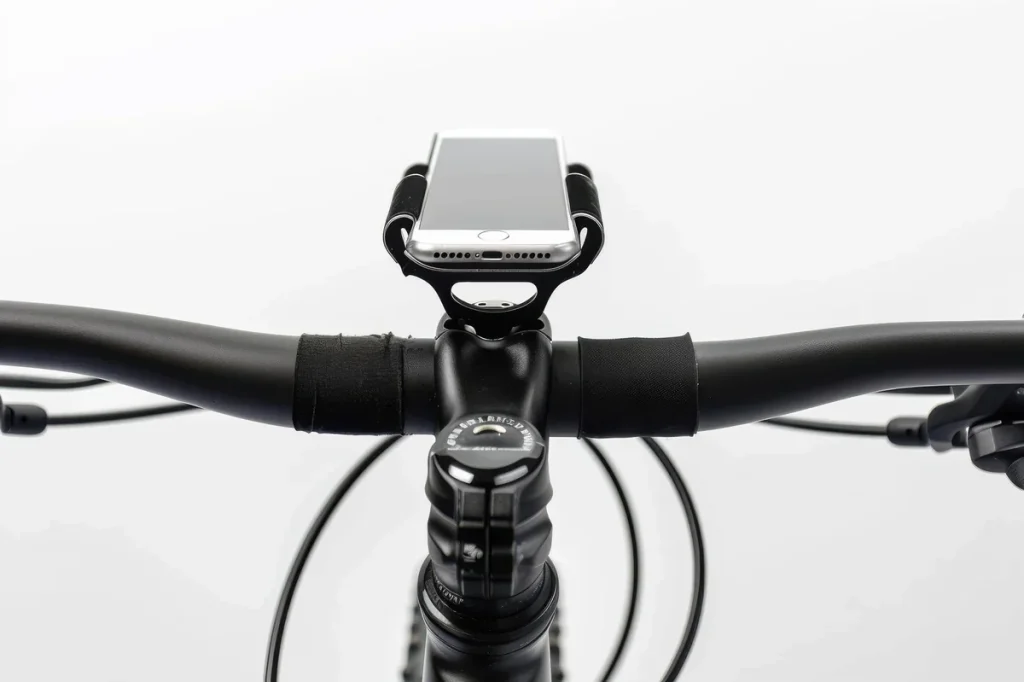
Bike share handlebars aren’t standard. They’re thicker, they’re shaped weird, and — here’s the kicker — they’re often wrapped in grip tape or rubber that makes friction-based clamps slip like they’re coated in butter. Your typical phone mount expects a 22-25mm diameter tube. Most bike share systems run 28-32mm handlebars, sometimes even bulkier. The math just doesn’t work.
And then there’s the whole “you don’t own this bike” problem.
Regular bike mounts assume you’re installing something semi-permanently. You’ve got time to adjust the tension, maybe add a rubber shim, tighten everything down with an Allen key. Bike sharing phone holders need to go on and off in under 30 seconds — because you’re either racing to beat the next pricing tier or someone’s waiting behind you for that bike. Anything requiring tools is a non-starter. I’ve timed myself: if I can’t get it mounted in the time it takes to adjust the seat, it’s too complicated.
The security angle is different too. Leave a $40 Quad Lock on your personal bike and you’re probably fine in most neighborhoods (probably). But bike share stations? They’re public furniture. Anything you leave attached is getting stolen within 48 hours, guaranteed. So bike sharing mounts are designed to be removed completely — which means they sacrifice some of that rock-solid stability you get from permanent installations.
Here’s what actually matters for bike share use:
- Tool-free installation that works with gloves on in February
- Compatibility with oversized or irregularly-shaped handlebars
- Quick-release mechanisms that don’t require two hands or perfect dexterity
- Enough grip strength to handle potholes without requiring permanent mounting hardware
It’s basically the difference between furniture and camping gear. One assumes a stable environment. The other assumes everything’s trying to kill it.
How to Pick a Phone Mount That Won’t Get You Kicked Off Your Next Bike Share Ride
I got yelled at by a Citi Bike employee once. Not for riding recklessly or returning it late — for zip-tying a mount to the handlebars. Apparently that’s “modification of shared property” and technically against their terms of service (who reads those?). Lesson learned: if your mount leaves any trace after you remove it, or if it requires tools to attach, you’re risking problems.
The bike share companies care about three things, in this order: liability, turnover speed, and equipment damage. Your mount becomes their problem the second it interferes with any of those.
So here’s what gets you kicked off — or at least gets your security deposit held:
- Anything that requires an Allen key, screwdriver, or “just a quick adjustment” to install
- Mounts that leave adhesive residue, scratches, or pressure marks on the handlebars
- Systems that block the bell, gear shifter, or brake levers (even partially)
- Designs that take longer than 30 seconds to remove when you’re returning the bike
- Anything with sharp edges that could snag clothing or injure the next rider
But here’s the thing nobody tells you: different bike share systems have wildly different handlebar diameters. Lime bikes run about 25.4mm. Divvy bikes in Chicago? Closer to 31.8mm. I’ve tested mounts that worked perfectly on Citi Bike but literally wouldn’t close around a Jump bike’s bars.
The safest bet is a silicone strap system with adjustable tension. Not sexy. Not particularly stable at high speeds. But it works across basically every bike share platform I’ve tried, comes off in five seconds flat, and leaves zero evidence you were ever there. The Quad Lock Out Front mount uses this approach — costs about $50 but the universal fit means you’re not buying a different mount for every city you visit.
And look, if you’re commuting on the same bike share route every day, you might get away with something more permanent. Just know what you’re risking.
Conclusion
So here’s what actually matters: bicycle sharing phone holders need to work across different bikes, come off fast, and not get you banned from your local system. The silicone strap mounts aren’t glamorous, but they’re the only ones I trust when I’m hopping between Citi Bike and Lime depending on what’s available. Everything else is either too permanent or too finicky.
If you’re doing this daily, spend the $50 on something adjustable. If it’s occasional, honestly? Just hold your phone or use voice navigation through your pocket. Not every problem needs a product solution.
And whatever you do — test it on a quiet street first. Finding out your mount sucks in the middle of rush hour traffic is a terrible way to learn.
Frequently Asked Questions
Q: Will bike-sharing companies actually care if I use a phone holder?
A: Most don’t explicitly ban them, but some have rules against “modifications” — and yeah, I’ve heard of people getting warnings. Citi Bike’s terms say no alterations, but I’ve never seen them enforce it for quick-release mounts. Just don’t leave anything attached when you dock the bike.
Q: What’s the fastest bicycle sharing phone holder to install and remove?
A: Silicone strap mounts like the Nite Ize Wraptor or Gear Tie versions — you can get them on in under 15 seconds once you’ve done it twice. The stretchy band just loops around the handlebar and grips your phone. They look janky but they’re genuinely the quickest option for shared bikes.
Q: Can I use a regular bike phone mount on a Citi Bike or Lime bike?
A: Technically yes, but most clamp-style mounts need a consistent handlebar diameter and won’t fit both systems. Citi Bike has thicker bars than Lime scooters, and Divvy bikes have that weird basket setup. You need something adjustable — or you’ll be carrying two different mounts, which defeats the whole point.
Q: How much should I spend on a phone holder for bike sharing?
A: Between $15-50 depending on how often you ride. The cheap silicone ones ($12-18) work fine if you’re casual about it. If you’re commuting daily on shared bikes, spend $40-50 on something like the Quad Lock universal adapter — it’ll actually stay put and you won’t be replacing it every two months.
Q: Do bicycle sharing phone holders damage the handlebars?
A: The strap-style ones won’t, but anything with a screw clamp can leave marks or scratches. Honestly, the bikes are already beat to hell, so minor scuffing isn’t the issue — it’s whether the bike-share company considers it “tampering.” Stick with non-invasive mounts and you’re fine.
Q: What happens if my phone falls off a shared bike?
A: You’re out a phone, basically. Bike-sharing companies have zero liability for your accessories or devices — I checked the Citi Bike terms after a friend cracked his screen. Test your bicycle sharing phone holder on a quiet block before you trust it in traffic, because there’s no insurance claim that’s gonna help you here.
Q: Are magnetic phone mounts safe for bicycle sharing?
A: They’re convenient but sketchy on bumpy city streets. The magnetic ones (like Mob Armor) work great on smooth roads, but hit a pothole on a heavy rental bike and your phone’s gone. I only trust them if they have a secondary retention clip — the magnet alone isn’t enough when you’re dealing with 40-pound bikes and cracked pavement.