


What Makes a Mirror Holder Truly Eco-Friendly (And Why Buyers Get It Wrong)
Most procurement teams approach eco-friendly mirror holder sourcing the same way they approach any green product category: they scan for a recycled material claim, maybe check for a certification logo, and call it done. That’s where the evaluation tends to fall apart.
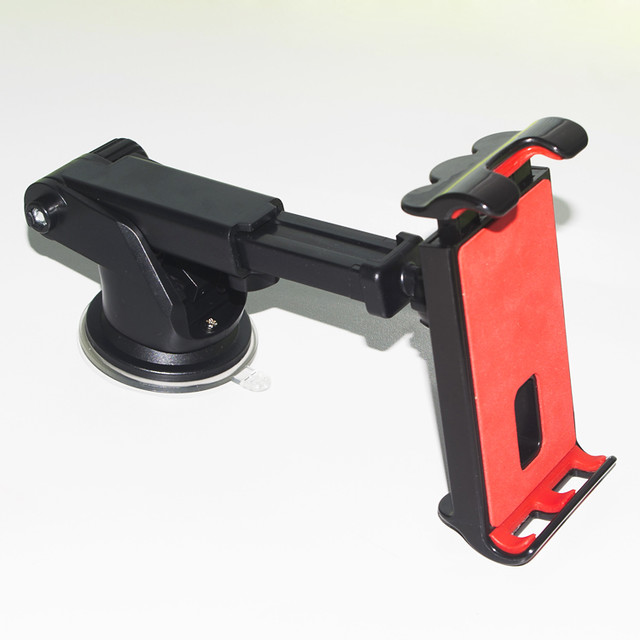
The reality is that environmental performance in a product like this spans the entire supply chain — raw material extraction, manufacturing process, packaging, and end-of-life disposal. A holder made from recycled ABS but coated in a solvent-heavy finish, shipped in non-recyclable blister packaging, isn’t meaningfully greener than a conventional alternative. The “eco” label is doing a lot of work it hasn’t earned.
So what actually matters when assessing a genuine eco-friendly mirror holder? A few things that don’t always show up in a spec sheet:
- Material traceability — can the supplier document where the recycled or bio-based content actually comes from, and at what percentage?
- Process certifications — ISO 14001 environmental management certification covers manufacturing practices, not just the finished product.
- Packaging footprint — cardboard-only, soy-ink printed, and right-sized packaging is a legitimate differentiator, especially for buyers managing import volumes.
- Durability data — a product with a longer service life has a lower environmental cost per use cycle, which is a more honest metric than material composition alone.
The same evaluation logic applies to adjacent categories. A sustainable car mount, for example, faces identical scrutiny — recycled claims without process-level documentation are nearly impossible to verify once goods clear customs. Buyers who build supplier audits around documentation requirements rather than marketing language end up with far more defensible green procurement records.
Suppliers with genuine environmental credentials — the kind that support OEM customization with material transparency built into the development process — tend to be easier to audit and more consistent across repeat orders. That operational reliability matters as much as the sustainability claim itself, particularly when procurement decisions need to hold up to internal ESG reviews or retail partner requirements.
The short version: don’t let a single material claim substitute for a proper supplier assessment. The documentation trail is where the real story lives.
Sourcing Criteria for Sustainable Mirror Holders: Materials, Certifications, and Red Flags
Material selection is where sourcing decisions for an eco-friendly mirror holder either hold up or fall apart. Recycled ABS, bio-based polymers, FSC-certified wood composites, and aluminum with documented post-consumer content are all viable base materials — but the key word is documented. A supplier listing “eco-friendly materials” in a product brief without accompanying material data sheets is offering marketing language, not procurement evidence. Buyers should request full material composition disclosures before sampling, not after.

Certifications worth verifying at the supplier level — not just the product level — include RoHS compliance, REACH conformity, and ISO 14001 environmental management certification. These aren’t interchangeable. RoHS and REACH address chemical substance restrictions; ISO 14001 speaks to how the factory manages its environmental footprint as an operation. A supplier holding ISO 14001 certification has undergone third-party audits of its production processes, which carries more weight than a self-declared “green manufacturing” claim on a catalog page.
MOQ and customization terms also signal supplier maturity in this space. Suppliers experienced in OEM development for sustainability-focused buyers — the kind who can accommodate custom material specifications, recycled content percentages, or packaging reduction requirements — typically have clearer documentation workflows. That’s not a coincidence. It reflects a production environment where traceability is already built into the process, which matters when procurement records need to withstand ESG audits or retail compliance reviews. The same logic applies when sourcing adjacent categories: a sustainable car mount sourced from a supplier without material traceability infrastructure creates the same documentation gaps as a mirror holder order from an unaudited vendor.
- Request material data sheets and substance declarations before sampling, not after
- Verify certifications at the factory level, not just the product listing
- Treat missing or vague packaging sustainability data as a red flag — not a minor gap
- Confirm that OEM customization requests can be supported with updated documentation
Red flags to walk away from: suppliers who cite certifications without providing certificate numbers or issuing bodies, factories where audit reports are unavailable or older than two years, and any vendor who cannot confirm material sourcing when pressed. An eco-friendly mirror holder procurement program built on verifiable supplier data is defensible. One built on assurances is not.
How to Evaluate Suppliers for Eco-Friendly Mirror Holders: MOQ, Lead Times, and OEM Flexibility
Supplier evaluation for an eco-friendly mirror holder program goes well beyond material claims — it comes down to whether a factory can actually deliver on commercial terms without compromising the sustainability standards that matter to your end market. Three variables tend to separate workable supplier relationships from ones that stall out: minimum order quantities, lead time structure, and the depth of OEM support on offer.

MOQ is often where the friction starts. Factories producing recycled or bio-based components frequently run smaller batch sizes than conventional manufacturers, which shifts the calculus for buyers. A lower MOQ can look attractive upfront, but if it comes attached to a price tier that doesn’t hold at scale, the unit economics fall apart quickly. The more useful question to ask a supplier isn’t just “what’s your MOQ?” — it’s “how does your pricing change between your minimum run and a mid-volume order?” That spread tells you a lot about how the factory is structured and whether it’s genuinely set up for B2B buyers or primarily running sample-level production.
Lead times on sustainable materials deserve specific scrutiny. Recycled zinc alloy, FSC-certified wood, and reclaimed plastics are all subject to upstream supply variability in ways that virgin materials simply aren’t. Buyers sourcing a sustainable car mount or similar accessory category have encountered this firsthand — a factory might quote eight weeks in standard conditions, but if their recycled feedstock supplier is running behind, that timeline can slip without warning. Suppliers worth working with will be transparent about their material lead time buffers and should be able to show you how they’ve handled supply disruptions in the past.
OEM flexibility is the third axis — and arguably the most revealing. An eco-friendly mirror holder that needs to carry your brand, meet a specific retail packaging spec, or accommodate regional compliance markings requires a factory with genuine development capability, not just the ability to swap a logo. When evaluating this, look for:
- Whether the supplier has an in-house technical team or relies entirely on third-party tooling vendors
- How they handle documentation updates when OEM specs change mid-production
- Whether sample approval rounds are included in quoted lead times or tracked separately
- Their track record with export-oriented customization — particularly for markets with specific material disclosure requirements
Suppliers like Shuowei, which operate with dedicated project coordination for international B2B buyers, tend to handle these handoffs more cleanly — because the process infrastructure is already built for it, rather than improvised order by order.
The Sustainable Car Mount Opportunity: Why Green Vehicle Accessories Are Reshaping B2B Orders
Procurement patterns in the vehicle accessories category have shifted noticeably over the past few years — and the pressure isn’t coming from regulators alone. Retail buyers, fleet operators, and automotive aftermarket distributors are all fielding end-customer questions about material sourcing, recyclability, and carbon footprint in ways that would have been unusual even five years ago. That shift is working its way upstream, and B2B buyers are now factoring environmental credentials into supplier selection at the category level.
For the eco-friendly mirror holder specifically, this creates a real commercial opportunity — not just a compliance checkbox. Buyers sourcing for European markets in particular are encountering retail shelf requirements tied to material transparency and packaging waste reduction. A sustainable car mount that can demonstrate verified material composition — recycled ABS, bio-based polymers, or responsibly sourced natural fiber composites — carries measurable SKU-level advantages in those channels.
What does this mean practically for procurement? A few things worth building into your supplier evaluation:
- Ask whether the supplier can provide material data sheets that distinguish between post-consumer recycled content and post-industrial recycled content — buyers in regulated markets often need that distinction for product registration
- Confirm whether sustainable material options affect MOQ thresholds, since some suppliers treat eco-spec runs as specialty orders with higher minimums
- Check whether the supplier’s packaging options align with your sustainability commitments — an eco-friendly mirror holder shipped in virgin plastic blister packaging creates a credibility gap that retail buyers will notice
- Verify lead time implications — sustainable material sourcing sometimes introduces longer procurement cycles at the supplier’s end, which needs to be factored into your order calendar
Suppliers with established export infrastructure — the kind built around documentation management and flexible OEM specifications — tend to handle green-spec orders more smoothly. The reason is straightforward: sustainable material sourcing often involves additional certification paperwork, material traceability requirements, and mid-order spec adjustments. That’s exactly the kind of coordination complexity that separates suppliers with real project management capability from those running on simpler transactional models.
The category isn’t niche anymore. Green vehicle accessories are moving toward standard procurement consideration — and the buyers who build supplier relationships around verified material capability now will be better positioned when those requirements become non-negotiable.
Conclusion
The eco-friendly mirror holder market has moved past the “nice to have” stage — buyers treating sustainability specs as a procurement afterthought are already behind.
What actually matters when you’re sourcing at scale: verified material certifications, not marketing language, and a supplier who can handle the documentation and spec flexibility that green materials genuinely require. Those two things will determine whether your green-spec order runs smoothly or turns into a timeline problem.
Build your supplier relationships around real capability now — before the market makes it mandatory.
Frequently Asked Questions
Q: What materials make a mirror holder genuinely eco-friendly?
A: The materials that actually hold up to scrutiny are FSC-certified wood, recycled aluminum, bamboo, and post-consumer recycled plastics — not “natural-looking” finishes over virgin petroleum-based substrates. The distinction matters because a lot of what gets marketed as eco-friendly is surface-level at best. Ask suppliers for third-party material certifications, not just product descriptions.
Q: How do I verify that an eco-friendly mirror holder supplier’s claims are legitimate?
A: Request documentation — FSC, REACH compliance, RoHS, or relevant regional standards — and check whether those certs apply to the specific SKU you’re ordering, not just the supplier’s general product catalog. Suppliers who handle verified eco-spec orders regularly will have this paperwork ready without pushback; those who hesitate or deflect usually can’t back up the claim.
Q: Why does an eco-friendly mirror holder typically cost more than a standard version?
A: Certified sustainable materials carry a procurement premium at the raw material stage — and that cost doesn’t disappear by the time it reaches your order. There’s also the compliance overhead: testing, documentation, and sometimes modified production runs that don’t benefit from the same economies of scale as conventional materials. That said, the gap narrows significantly at higher order volumes.
Q: How much more should I expect to pay for an eco-friendly mirror holder at wholesale?
A: Pricing varies too much by material and spec to give a clean number — but a rough working range is a 10–30% premium over comparable conventional holders, depending on certification requirements and order quantity. Bamboo and recycled aluminum tend to sit at the lower end of that range; fully certified FSC hardwood or bio-based composites push toward the higher end.
Q: Can an eco-friendly mirror holder be customized for OEM or private label orders?
A: Customization is absolutely available — finish, size, mounting configuration, and branding — but the complexity goes up when you’re working with certified materials, because any spec change may require re-testing or updated documentation. Suppliers with dedicated OEM/ODM experience in sustainable product lines (rather than treating it as an occasional request) handle this far more smoothly.
Q: What’s the difference between biodegradable and sustainably sourced in eco-friendly mirror holder specs?
A: Sustainably sourced refers to how the raw material was harvested or produced — certified forestry, recycled content, responsible mining. Biodegradable refers to what happens at end-of-life. A holder can be one without being the other — recycled aluminum is sustainably sourced but won’t biodegrade; some bamboo composites are both. Know which claim your market actually cares about before you spec it.
Q: How long does it take to source an eco-friendly mirror holder with full material certification?
A: Lead times are typically longer than standard orders — factor in extra time for material verification, any required third-party testing, and documentation preparation, which can add two to four weeks on top of a normal production timeline. First-run orders with a new supplier almost always take longer; repeat orders with an established supplier who already holds your spec documentation move considerably faster.
Q: Is it worth switching to eco-friendly mirror holders if my customers aren’t explicitly asking for them yet?
A: The buyers and retailers who build supplier relationships around verified sustainable specs now are the ones who won’t be scrambling when regulatory requirements or retail platform standards make it mandatory — and that shift is already underway in several markets. Waiting for customer demand to force the issue usually means paying a premium for rushed compliance later, rather than building it in at the sourcing stage.