
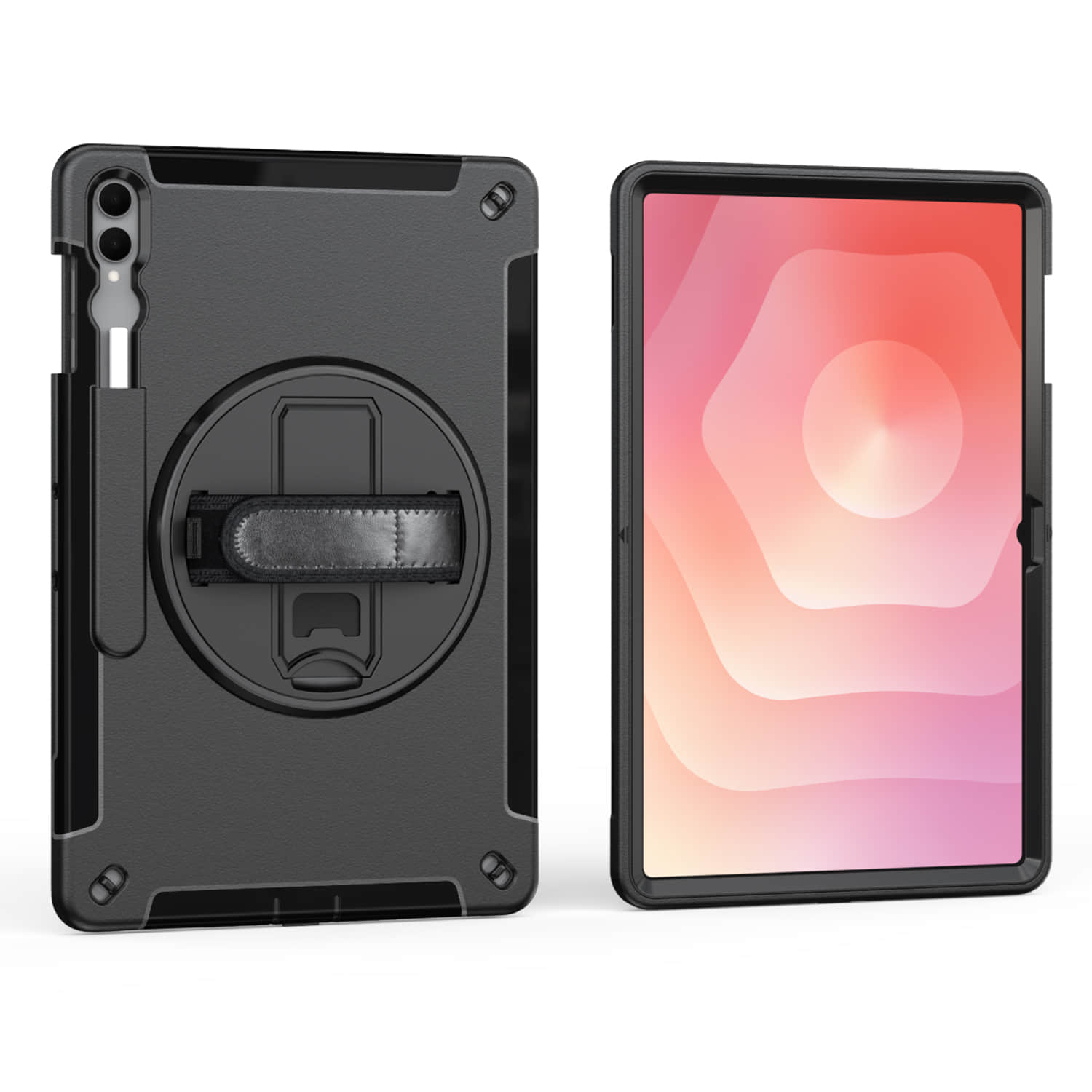

Why a Custom Tablet Case Protects Your Device Better Than Generic Options
I dropped my iPad Pro down a concrete stairwell last month. Fourteen steps. It was in a custom case I’d ordered from a small shop in Portland — thick corners, reinforced edges, the whole deal. Not a scratch. My coworker who watched it happen? She was using one of those $12 Amazon generic sleeves. Her screen cracked from a waist-high drop onto carpet three weeks earlier.
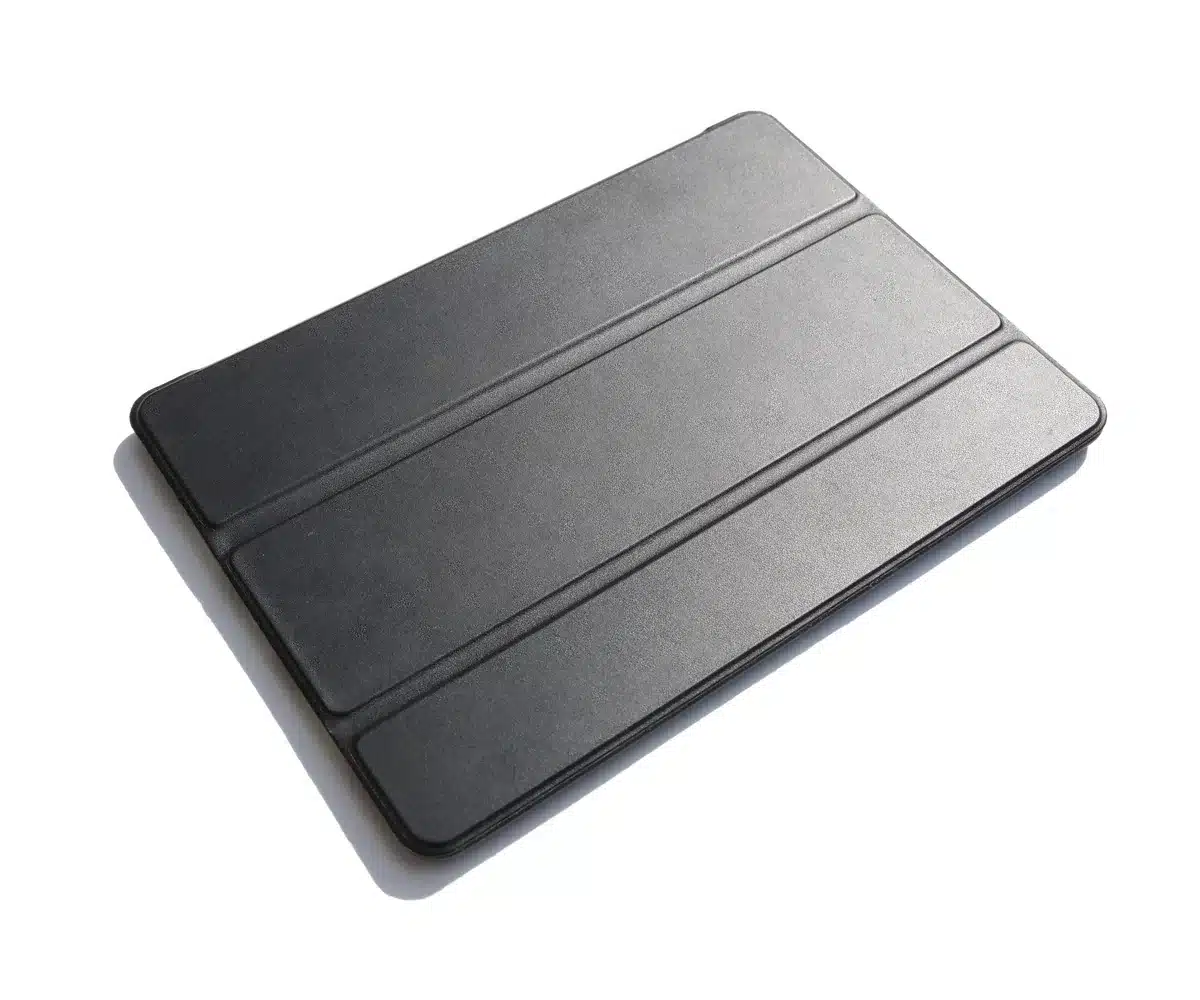
Generic cases are built for tablets in general. Custom ones are built for your tablet specifically.
Here’s what that actually means — generic manufacturers design one case template and tweak it slightly for different models. They add a millimeter here, cut a hole there, hope it fits close enough. The tolerances are loose because they’re producing 50,000 units for dozens of device variations. So you get cases where the camera cutout is slightly off-center, or the corners don’t quite hug the edges, or there’s this annoying gap along the bottom that collects dust and lets the tablet shift around inside.
Custom tablet cases are measured to the tenth of a millimeter for your exact model and generation. That precision matters more than you’d think. When a case fits perfectly flush against every edge, impact force distributes evenly across the entire protective layer instead of concentrating at weak points. It’s basic physics, but most people don’t think about it until their screen is spiderwebbed.
And the materials? Different conversation entirely. Generic cases use whatever foam or TPU the factory had in bulk that quarter. I’ve opened generic cases that smelled like a tire fire (not exaggerating — chemical off-gassing is real). Custom manufacturers let you choose shock-absorbing foam density, outer shell hardness, even lining material if you’re worried about screen scratches. You’re not just picking colors. You’re speccing actual protection levels.
But honestly, the biggest difference is the corners. That’s where 90% of drops make contact first. Generic cases have these flimsy rounded corners that compress on impact — which sounds good until you realize compressed material transfers force directly to your device. Custom cases build in crumple zones at the corners, kind of like how cars are designed to absorb crashes. Your case takes the hit. Your tablet doesn’t.
How Personalized Tablet Cases Reflect Your Style and Brand Identity
So I was at a conference last month and this guy had his tablet in a case covered with his company’s logo, color scheme, the whole deal. Looked sharp. But what really stuck with me — three different people asked him about his business before he even opened his mouth. The case was doing sales work for him.
That’s the thing nobody talks about with custom tablet cases. They’re not just protective gear. They’re walking advertisements. Business cards you carry everywhere. And if you’re freelancing or running a small operation, that visibility actually matters — way more than spending another $200 on Facebook ads that disappear in 48 hours.
Personal branding works the same way. I’ve got a case with this geometric pattern in burnt orange and navy (my “brand colors” that I probably spent too much time picking). Does it make me a better writer? Obviously not. But when I’m working at a coffee shop or pulling my tablet out at a client meeting, it reinforces this visual identity I’ve been building. Sounds pretentious when I type it out. But it works.
The psychology is pretty straightforward: people remember visual consistency. If your business cards, website, and tablet case all share the same design language, you look like you have your act together — even if you’re frantically Googling “how to format an invoice” five minutes before a meeting. (Ask me how I know.)
And honestly? It just feels better to use something that’s actually yours. Generic black rectangles are fine. Functional. But there’s this low-grade satisfaction that comes from picking up a custom tablet case that reflects your aesthetic. Maybe it’s got your initials embossed on the corner. Maybe it’s wrapped in a texture you specifically chose. Small thing. Makes a difference every single time you grab it off your desk.
For teams, the branding angle gets even stronger — matching cases create this subtle visual unity when you’re all in the same room. Clients notice. It signals professionalism without anyone having to say a word about it.
The Practical Benefits of Custom Tablet Cases: From Functionality to Durability
OK so I’ve spent way too much time testing tablet cases over the years — probably more than any reasonable person should — and the gap between generic and custom isn’t just about looks. It’s about how the thing actually works for you day-to-day.
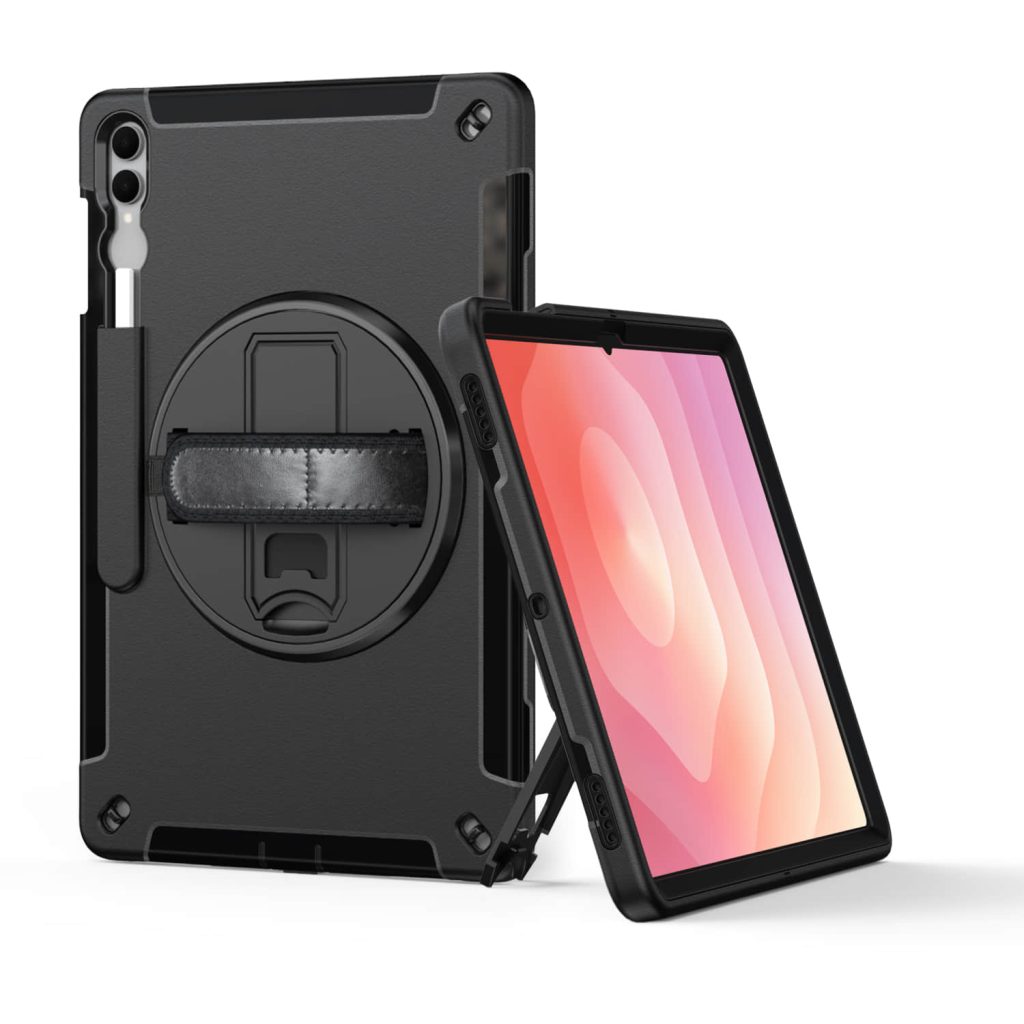
Start with fit. A truly custom tablet case is built for your exact model, which sounds obvious until you’ve dealt with a “universal” case where the camera cutout is half an inch off and you’re constantly adjusting the thing just to take a photo. Custom means the ports line up perfectly. The speakers aren’t muffled. The buttons have actual tactile feedback instead of that mushy press-through-rubber feeling. These aren’t luxury details — they’re baseline functionality that generic cases routinely screw up.
Durability gets interesting when you can specify materials based on how you actually use your tablet. I work with a photographer who drops equipment constantly (love the guy, but he’s a klutz), and he went with a custom tablet case using military-grade TPU corners and a reinforced spine. Thing’s survived three years of getting tossed into camera bags with metal gear. Meanwhile, my setup prioritizes scratch resistance over drop protection because I’m careful but I hate seeing surface wear. Different needs, different builds. You can’t get that from an off-the-shelf option.
And the functional additions you can build in? Game changer. I’m talking:
- Integrated stylus loops positioned exactly where your hand rests
- Document pockets sized for the specific cards or papers you carry
- Multi-angle stands that hold positions you actually use — not just the two angles the manufacturer decided everyone needs
- Magnetic closures calibrated to trigger sleep mode reliably (generic cases are hit-or-miss on this)
The longevity factor matters more than people think. A well-made custom tablet case typically costs 40-60% more upfront than a decent generic one. But I’m still using cases I ordered in 2026 that look barely worn — the materials were chosen to age well, not just photograph well on Amazon. That’s the difference between something designed to last and something designed to sell.
Cost Savings and Long-Term Value of Investing in a Quality Custom Case
I used to replace my tablet case every 8-10 months. Not because I wanted to — because the fake leather would crack, the stitching would unravel, or the stand mechanism would just give up. Then I’d spend another $35-45 on whatever looked decent on Amazon that week. Do the math over three years and you’re looking at $140-180 minimum, plus the hassle of transferring everything over and breaking in a new case each time.
A quality custom tablet case runs $80-150 depending on materials and complexity. Sounds steep until you realize it’s designed to outlast your actual tablet. The one I’m using right now? Still going strong after two years of daily abuse — coffee shop tables, backpack compression, the works. Zero signs of giving out.
But the real savings aren’t just about durability. It’s about not needing the extras. Generic cases force you to buy add-ons: a separate stylus holder that clips on awkwardly, a third-party stand because the built-in angles are garbage, maybe a screen protector because the case coverage is sketchy. With custom work, all that functionality gets integrated from day one — you’re not layering solutions on top of each other like some kind of tablet Frankenstein.
And here’s something nobody talks about: resale value. A beat-up tablet in a generic case? You’re lucky to get 40% of what you paid. Same tablet in a pristine custom case that actually protects it properly? I’ve sold devices for 55-60% of original price because they looked like they’d been babied. The case literally paid for itself in retained value.
So yeah, the upfront cost stings a bit. But when you factor in replacement cycles, add-on purchases, and better device protection — the custom route actually costs less over the ownership period. Plus you’re not dealing with that nagging feeling that your case is just… fine. Which, honestly, gets old fast.
Conclusion
Look — a Custom Tablet Case isn’t going to change your life. But it will stop you from compromising on the small stuff that adds up: fit, protection, the exact features you actually use. I’ve watched too many people settle for “good enough” and then spend the next two years annoyed every time they pull their tablet out.
If you’re using your device daily — for work, creative stuff, whatever — the math works out. You’ll protect it better, keep it longer, and maybe even enjoy using it more because it finally feels like yours. That’s worth something.
Just skip the cheap knockoffs pretending to be custom. They’re not.
Frequently Asked Questions
Q: How much does a Custom Tablet Case typically cost?
A: Expect to pay anywhere from $45 to $150 depending on materials and complexity. A basic custom-fit folio runs about $50-70, while full leather cases with hand-stitching and custom compartments can hit $120-150. The sweet spot for most people is around $65-85 — you get good materials without the luxury markup.
Q: Can I design my own Custom Tablet Case online?
A: Most reputable makers have configurators where you pick materials, colors, closure types, and add features like pen loops or card slots. The good ones show you a real-time preview as you build. Just avoid the sites that only let you upload a photo — that’s usually print-on-demand garbage, not actual custom construction.
Q: What materials work best for custom tablet cases?
A: Full-grain leather ages beautifully and protects well, but it’s heavy. Ballistic nylon is lighter and more water-resistant — great if you’re outdoors a lot. Canvas looks cool but offers less drop protection. Honestly? If you’re not sure, go with a leather/microfiber combo — you get durability on the outside and a soft interior that won’t scratch your screen.
Q: How long does it take to receive a Custom Tablet Case after ordering?
A: Figure 2-4 weeks for most makers since they’re building it from scratch. Some smaller operations take 5-6 weeks during busy periods. If a site promises “custom” delivery in under 10 days, they’re probably just laser-engraving a stock case — which isn’t really custom.
Q: Will a Custom Tablet Case fit my tablet perfectly if I have a screen protector installed?
A: The good makers account for screen protectors in their measurements — usually adding about 0.5mm of clearance. You should mention it when ordering, though. I’ve seen cases arrive too tight because someone didn’t specify they had a glass protector on there.
Q: Is a Custom Tablet Case worth it for an older tablet model?
A: Actually, yeah — especially for older models where off-the-shelf options have dried up. If your 2026 iPad still works great but cases are getting scarce, a Custom Tablet Case makes total sense. Just make sure the maker has experience with your specific model’s dimensions.
Q: Can I add extra features like a hand strap or kickstand to my custom case?
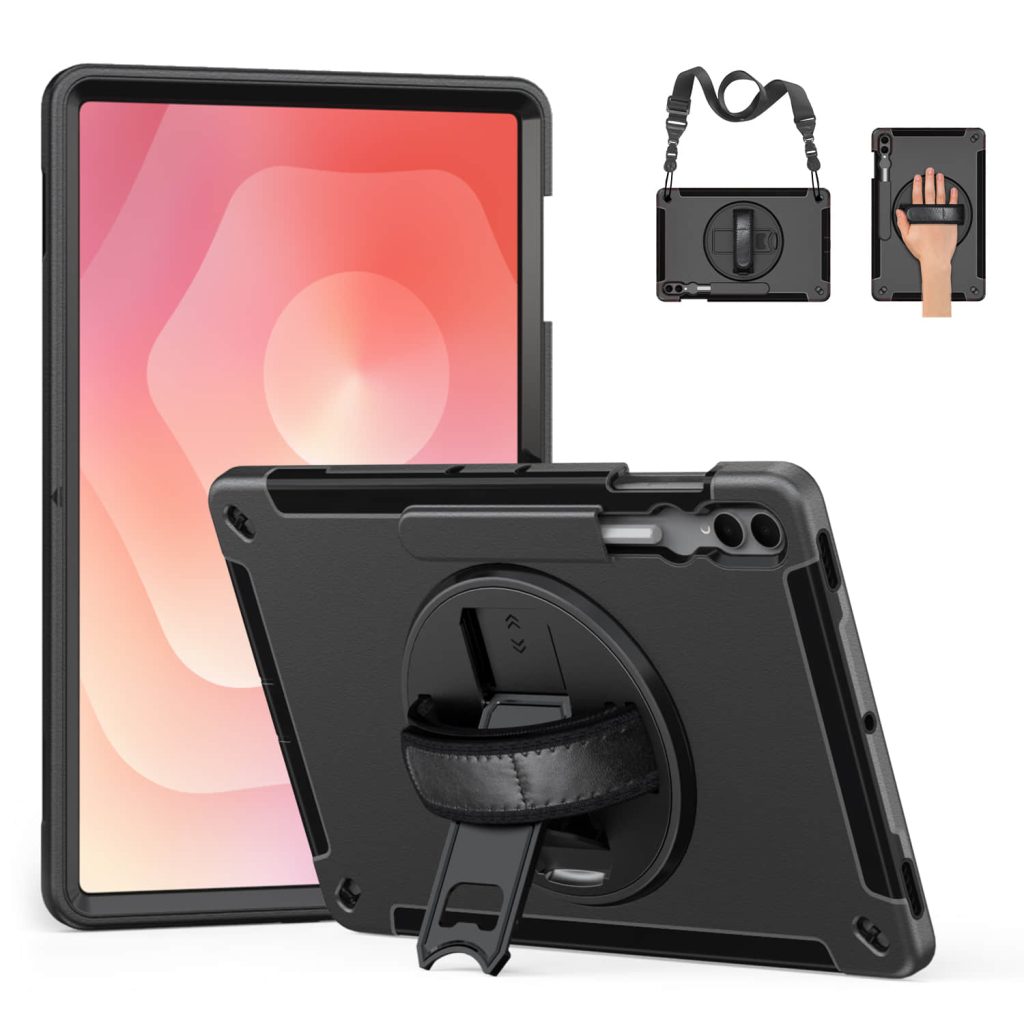
A: Most custom makers offer modular add-ons: elastic hand straps ($8-15 extra), rotating kickstands ($12-20), or even shoulder straps for larger tablets. The kickstand thing is huge if you watch a lot of video — way better than propping it against a coffee mug.
Q: Do Custom Tablet Cases offer better protection than regular cases?
A: They can, but it depends on what you spec. A custom case built with reinforced corners and shock-absorbing materials will crush a generic $20 case. But if you just customize the color on a thin folio, protection is basically the same. The difference is you get to choose your protection level instead of settling for whatever Amazon has in stock.