
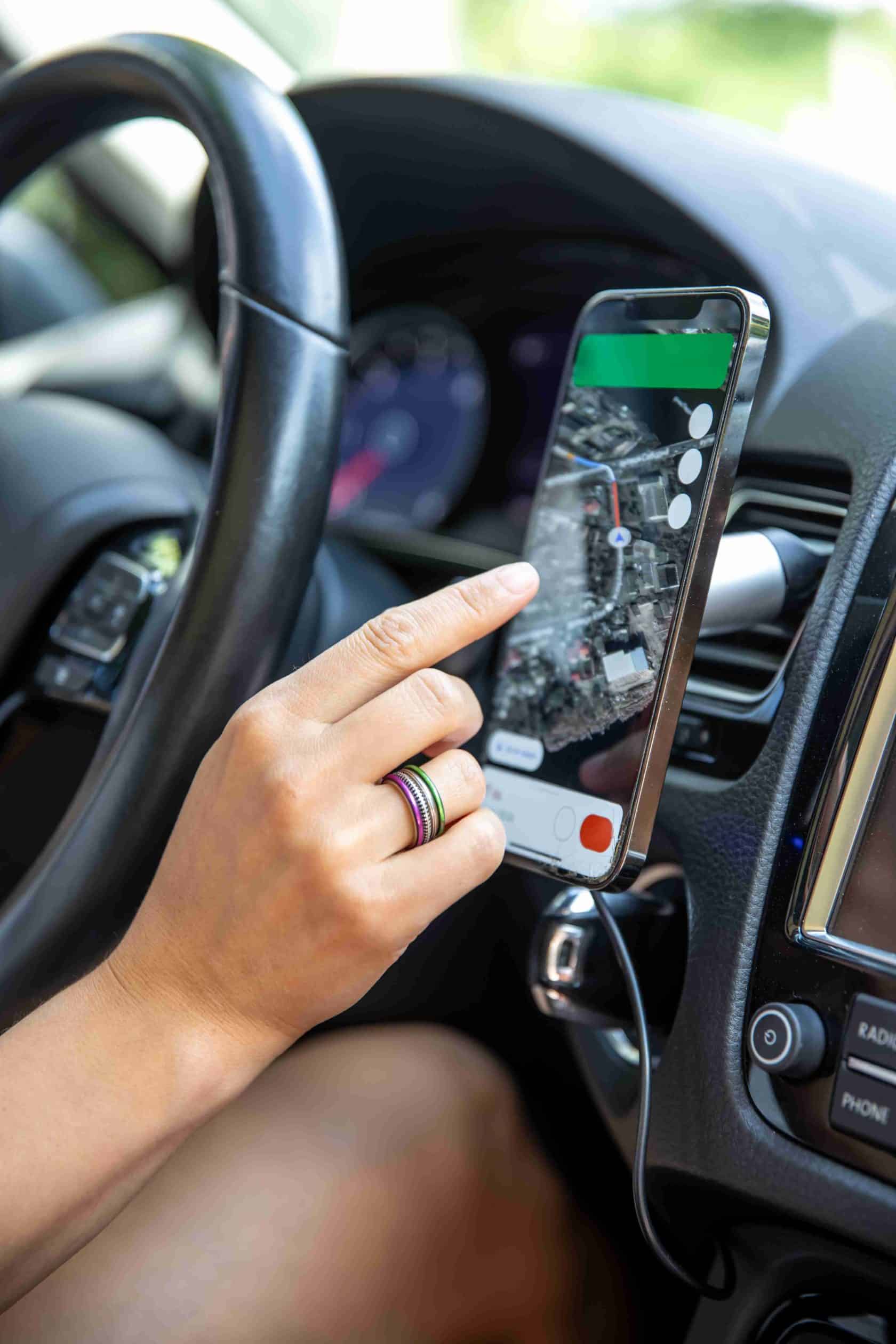

Why Magnetic Phone Holders Won’t Stick to Glass — And What Buyers Should Know Before Sourcing
Glass surfaces create a specific problem that procurement teams often underestimate until products are already in the field. The core issue isn’t magnet strength — it’s surface physics. Smooth, non-porous glass offers almost no mechanical grip for adhesive-backed magnetic mounts, and the suction-style variants that do work on glass are a fundamentally different product category with their own limitations. When buyers source magnetic phone holder glass configurations without clarifying the mounting interface upfront, they end up with inventory that fails at the point of installation.
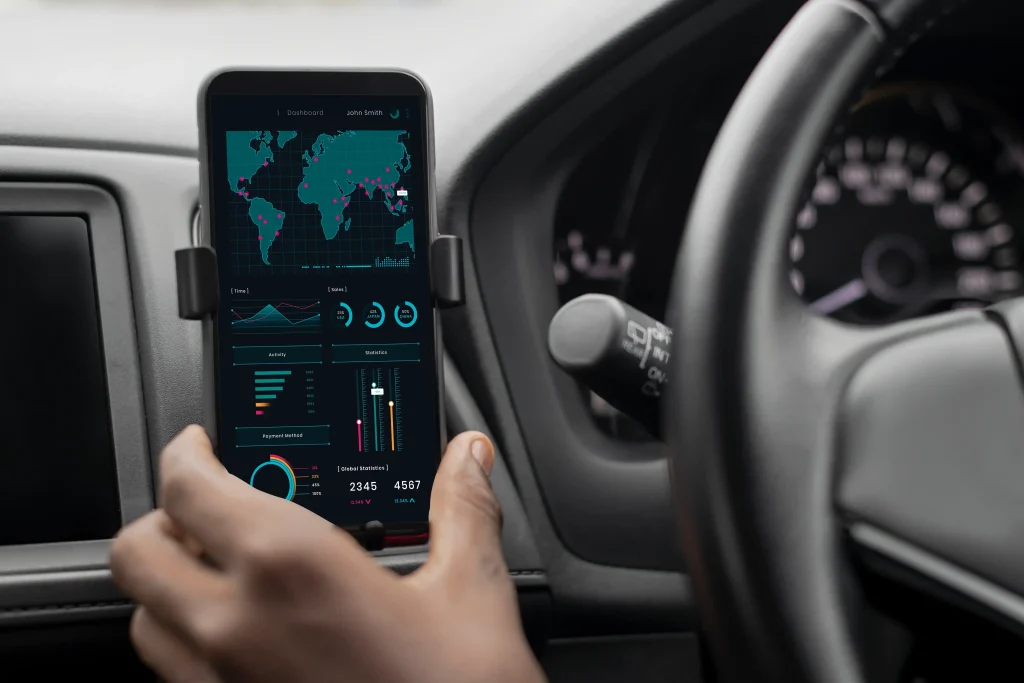
The magnetic phone holder glass issue typically surfaces in two scenarios. First, buyers spec a standard adhesive magnetic base — designed for textured dashboards or rough wall surfaces — and deploy it on glass partitions, retail display panels, or vehicle windshields. The adhesive layer simply cannot form a lasting bond with non-porous glass, especially under temperature fluctuation or vibration. Second, buyers assume suction cup mounts and magnetic mounts are interchangeable. They’re not. A suction mount holds via negative pressure. A magnetic mount holds via ferromagnetic attraction between a plate and a magnet. Confusing the two at the sourcing stage creates real operational problems downstream.
For procurement managers, the practical implication is straightforward: if glass mounting is a confirmed end-use requirement, the product specification needs to explicitly call out a suction-to-magnetic hybrid design — a suction cup base with an integrated magnetic head. These do exist, and reputable OEM suppliers can produce them to custom specs. But sourcing them requires asking the right questions before samples are ordered, not after.
The phone holder wont stick complaint that comes back from end users almost always traces to a mismatch between the mounting surface and the adhesive type, not a defect in the magnet itself. This distinction matters for quality control teams reviewing return data, and it matters even more for buyers setting product specifications with overseas manufacturers.
- Confirm the exact mounting surface type before locking in adhesive specifications
- Request sample testing on glass surfaces if glass deployment is part of the use case
- Distinguish suction-based and adhesive-based magnetic mounts in your product brief
- Ask suppliers whether hybrid suction-magnetic SKUs are available within their existing tooling
What Actually Causes a Phone Holder to Not Stick on Glass Surfaces
Glass creates a specific set of adhesion problems that other surfaces don’t — and the reasons are more mechanical than most procurement teams initially assume. The core issue isn’t magnetic strength. It’s what happens at the interface between the mounting mechanism and the glass itself.

Standard glass surfaces, particularly tempered or coated automotive glass, have extremely low porosity. Suction-based mounts depend on creating a pressure differential — a partial vacuum — between the cup and the surface. On porous or slightly textured materials, micro-irregularities actually help the suction cup seat properly. On smooth, non-porous glass, the seal can form initially, then fail progressively as ambient temperature shifts cause the cup material to contract or expand. This is the mechanical origin of the magnetic phone holder glass issue that return teams keep seeing flagged as “random detachment.”
Adhesive-backed mounts introduce a separate failure mode. Most 3M-type adhesive pads are formulated for rigid, dry, matte surfaces. Glass — especially glass with factory-applied UV coatings, hydrophobic treatments, or residual cleaning agents — interferes with the adhesive bond at a chemical level. The bond may hold for days or weeks before cohesive failure sets in. By then, the product is already in the field, and the phone holder wont stick complaint arrives as a warranty issue rather than a specification gap.
Temperature is the variable that accelerates both failure types. Vehicles parked in direct sun can see interior glass temperatures climb well beyond what standard suction cup silicone or acrylic adhesive is rated for. Procurement teams sourcing for automotive, fleet, or outdoor commercial applications need to ask suppliers for explicit thermal range data — not just general adhesion claims.
A few specific surface conditions that consistently compromise glass mounting performance:
- Hydrophobic or oleophobic coatings applied to display glass or windshields
- Residual silicone from previous mounting products or cleaning sprays
- Curved glass profiles that prevent full suction cup contact
- Textured or fritted glass edges where suction seating is uneven
- Temperature cycling above the adhesive’s rated operating range
Suppliers who understand these variables will flag them during product development — not after production runs are complete. That distinction is worth building into supplier evaluation criteria before any orders are placed.
How Magnet Strength and Mount Design Determine Whether a Phone Holder Won’t Stick in Real-World Use
Surface compatibility failures — covered in the previous section — are only half the equation. The other half lives entirely inside the product itself: how much magnetic force is actually being generated, and whether the mount’s physical design can sustain grip across the conditions a vehicle interior routinely creates.
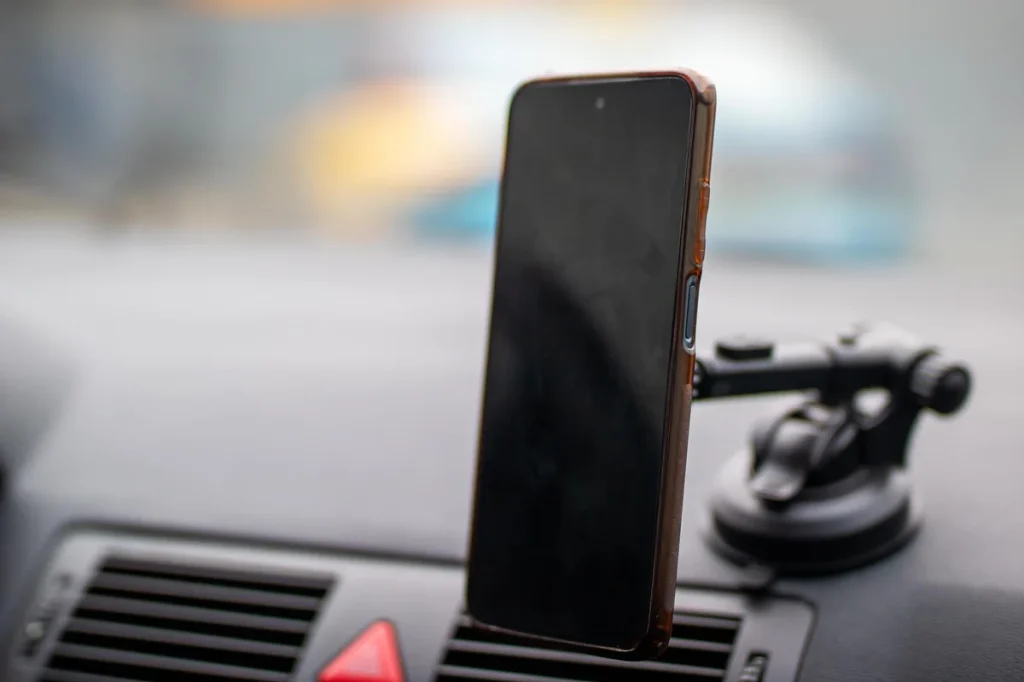
Magnet strength in phone holders is typically rated in pull force (measured in kilograms or Newtons), but raw pull force figures quoted in supplier spec sheets can be misleading. A magnet rated for strong vertical pull may perform poorly under lateral shear loads — which is exactly what happens when a vehicle brakes hard or corners. Procurement teams sourcing for fleet programs or aftermarket distribution need to ask suppliers for multi-axis load test data, not just peak pull figures. The gap between those two numbers is where a phone holder wont stick scenario actually originates.
Mount geometry compounds this further. Designs that rely on a single central contact point distribute magnetic force unevenly across the phone’s metal plate or built-in magnets. Multi-point magnet arrays — where force is spread across a wider contact area — maintain grip more reliably on glass-backed devices, which have become the dominant smartphone form factor in commercial fleet environments. This is a direct magnetic phone holder glass issue that stems from design decisions made during the engineering phase, not from user error in the field.
A few mount design variables worth evaluating during supplier qualification:
- Magnet array configuration — single core versus distributed multi-pole layouts
- Rated pull force under both vertical and lateral shear loads
- Metal plate thickness and surface area included with the unit
- Pivot or ball-joint friction tolerance — loose joints shift load onto the magnet alone
- Housing rigidity at the glass-to-mount interface under vibration
Suppliers with genuine engineering depth — the kind that supports OEM and ODM development rather than just catalog fulfillment — will have documented answers to all of these points before sampling begins. That responsiveness during the specification stage is a reliable proxy for how well a product will hold up once it reaches end users at scale.
Sourcing Criteria That Separate Reliable Magnetic Phone Holder Suppliers From the Ones That Cut Corners
Supplier selection in this category comes down to one core question: does the manufacturer actually understand the mechanical problem, or are they just selling a product that passes basic drop-test certification? The magnetic phone holder glass issue isn’t random — it’s almost always traceable to sourcing decisions made before a single unit ships. Procurement teams that treat this as a commodity purchase tend to discover that reality the hard way, usually through warranty returns and end-user complaints about a phone holder wont stick situation that nobody anticipated at the RFQ stage.
So what separates the suppliers worth working with? A few concrete criteria:
- Glass-surface compatibility testing — ask specifically whether the supplier has validated adhesion performance on tempered, oleophobic-coated, and curved-edge glass. Vague answers here are a red flag.
- Adhesive or mounting system traceability — reliable suppliers can name the adhesive chemistry or mechanical mounting method and explain why it was chosen for glass-contact applications.
- Sample-stage documentation — pre-production data sheets, not just finished-goods certificates, should be available before you commit to MOQ.
- OEM/ODM flexibility on interface materials — suppliers with genuine product development capability can adjust the mounting pad specification to suit different glass profiles, rather than offering a fixed catalog SKU.
- QC checkpoints at the glass-contact component level — not just final assembly inspection.
Responsiveness during technical discussion is itself a qualification signal. A supplier that can walk through mounting system trade-offs — explaining, for instance, why a particular base geometry causes uneven load distribution across a curved glass surface — is demonstrating process knowledge that generalist catalog suppliers simply don’t have. That depth matters at scale, where even a small per-unit defect rate compounds into a meaningful operational cost.
The magnetic phone holder glass issue also tends to surface differently across vehicle types and installation environments, which means suppliers serving international buyers need to account for variable conditions — dashboard angles, climate exposure, vibration frequency — during product development, not as an afterthought. B2B buyers sourcing through partners with OEM and customized specification support are better positioned to address these variables upstream, before production runs begin.
Conclusion
The magnetic phone holder glass issue isn’t a fringe problem — it’s a predictable failure point that shows up when mounting geometry, adhesive selection, and surface compatibility aren’t treated as a system. Get one wrong and the others can’t compensate.
Buyers who push these conversations upstream — into spec discussions before production, not warranty claims after — consistently end up with better outcomes. That means working with suppliers who actually understand the load dynamics, not just the catalog dimensions.
Ask harder questions early. It saves a lot of headaches later.
Frequently Asked Questions
Q: Why does my magnetic phone holder keep falling off glass surfaces?
A: The magnetic phone holder glass issue almost always comes down to adhesive-to-surface mismatch — smooth, non-porous glass gives standard 3M-style pads very little mechanical grip to work with, so the bond degrades faster than it would on textured or painted surfaces. Temperature swings (especially inside a parked car) accelerate that failure by cycling the adhesive through expansion and contraction it wasn’t rated for.
Q: What type of adhesive actually works on glass for magnetic mounts?
A: Silicone-based adhesives and high-bond acrylic tapes rated for non-porous surfaces tend to outperform standard foam-backed pads on glass. The key spec to look for is a high surface energy rating — glass is notoriously low-energy, and only adhesives formulated for it will maintain a reliable bond over time.
Q: Is the magnetic phone holder glass issue worse in hot climates?
A: Significantly worse. Windshield glass in direct sun can reach temperatures well beyond what most consumer-grade adhesives are designed to handle — and once an adhesive softens at its thermal ceiling, the combined weight of the mount and phone creates a peel force it simply can’t resist. Buyers in high-heat regions should be specifically sourcing mounts with adhesives rated for elevated temperature ranges, not just standard ambient specs.
Q: How long should a magnetic phone holder last on a glass windshield?
A: A properly specified mount — right adhesive, right magnet strength for the phone’s weight, applied to a clean surface — should hold reliably for a year or more under normal conditions. Most premature failures happen within the first few weeks, which typically points to an installation issue or an adhesive that was never suited to glass in the first place.
Q: Can the magnetic phone holder glass issue damage the windshield when removed?
A: Aggressive adhesives can leave residue or, in rare cases, stress the glass surface during removal — particularly if the mount has been in place through multiple heat cycles that have effectively fused the pad to the glass. Silicone-based pads are generally safer to remove cleanly, but slow, deliberate removal (rather than a sharp pull) is the real variable that protects the surface.
Q: Why does the magnetic phone holder work fine on plastic dashboards but fail on glass?
A: Plastic dashboard surfaces — especially textured ones — have enough micro-roughness to give adhesive pads a mechanical foothold that smooth glass simply doesn’t offer. The magnetic phone holder glass issue is fundamentally a surface compatibility problem, not necessarily a magnet strength problem; the magnet may be perfectly adequate while the mounting interface is the weak link in the system.
Q: How do I properly prepare a glass surface before installing a magnetic phone mount?
A: Clean the glass with isopropyl alcohol (at least 70%) and let it fully evaporate before applying the mount — any residual oils, cleaning product film, or moisture will compromise the bond immediately. Applying the mount in cold weather is also worth avoiding, since most adhesives need a minimum surface temperature to activate their full bonding strength.
Q: Are suction cup mounts a better solution to the magnetic phone holder glass issue?
A: For glass specifically, suction cups often outperform adhesive-backed magnetic mounts — they’re designed for smooth, non-porous surfaces and don’t rely on chemical bonding at all. The trade-off is that suction cups can lose grip in extreme heat or if the cup ages and loses flexibility, so neither solution is universally superior; the right choice depends on the use environment and how often the mount needs to be repositioned.