

How Vent Mount and Suction Cup Car Phone Holders Actually Work
Two totally different engineering approaches. Same goal. And yet buyers constantly mix them up — or assume one is just a cheaper version of the other, which isn’t really accurate.
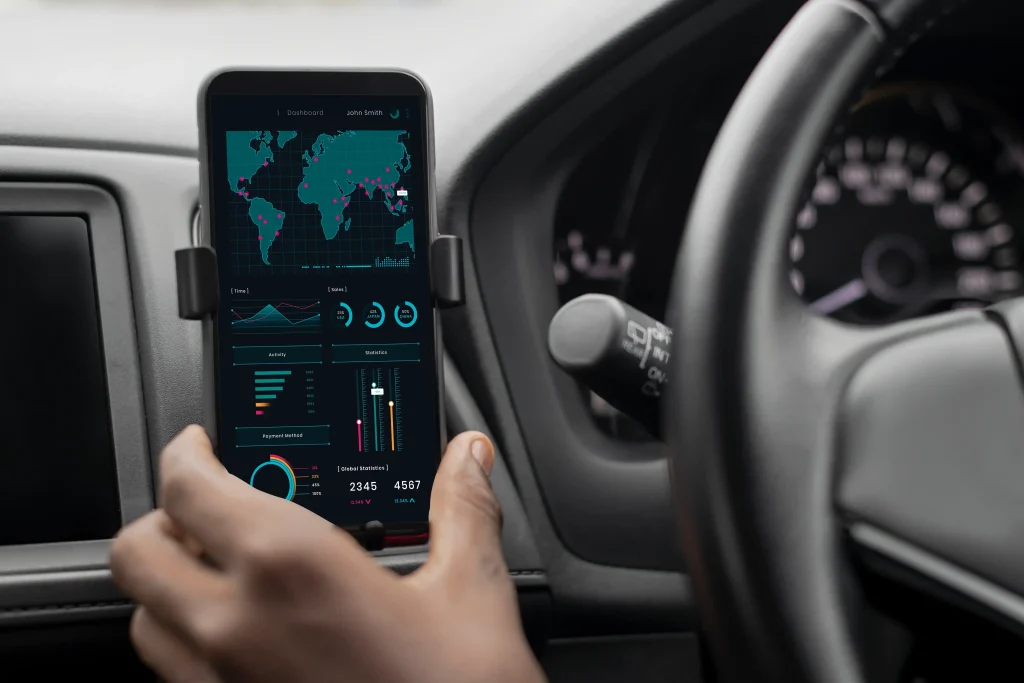
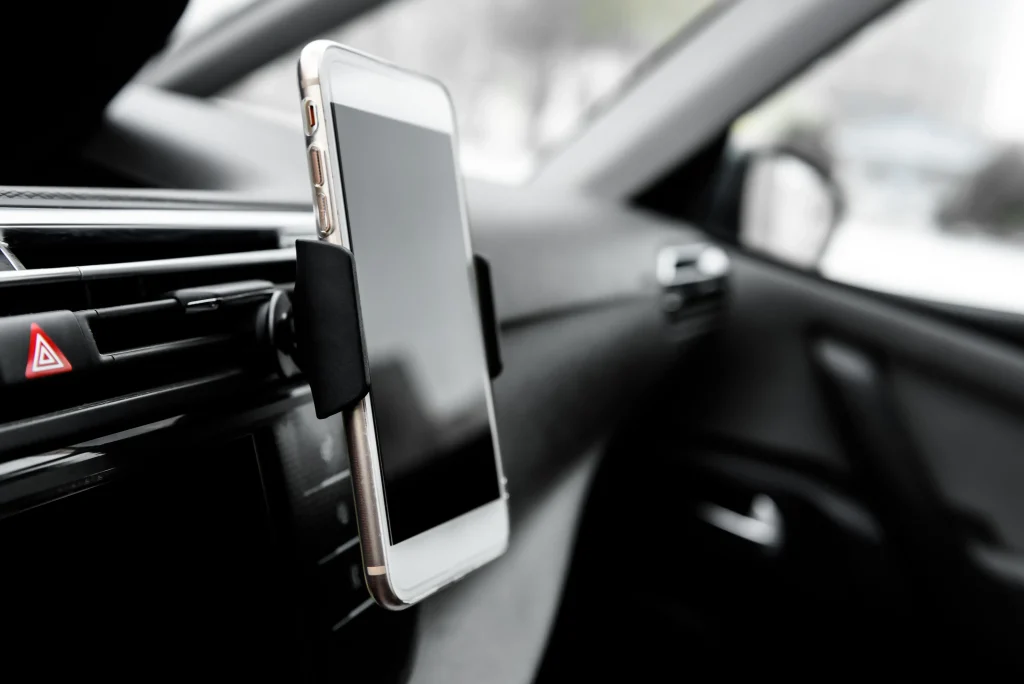
A vent mount car phone holder works by gripping the slats of your car’s HVAC vent — usually through a clip mechanism with two arms that squeeze around the vent blade, sometimes a hook that slides behind it. The phone itself sits in a cradle or attaches to a magnetic plate. The whole system is borrowing structural stability from the vent housing, which means it’s only as solid as your vent slats are. On a newer car with sturdy plastic vents, this works brilliantly. On an older vehicle where the vent blades have a bit of wobble? You’ll feel every bump in the road.
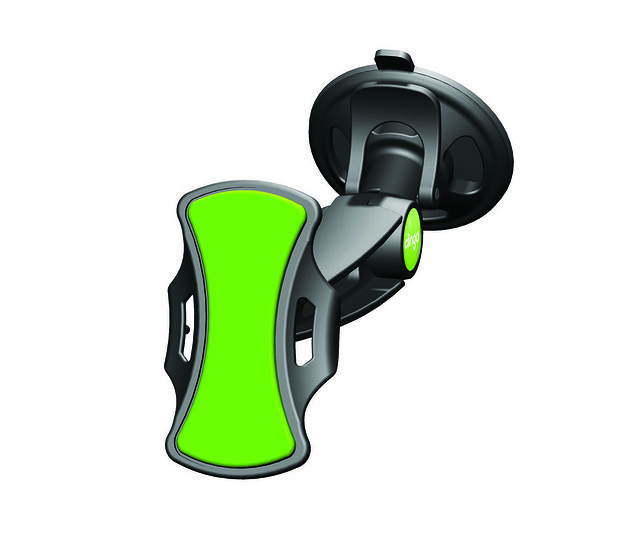
Suction cup mounts work on a completely different principle — negative air pressure against your windshield or dashboard. You press the cup flat, lock a lever, and the atmospheric pressure differential holds it in place. The physics are solid (roughly 14.7 PSI of atmospheric pressure working in your favor), but the real-world performance depends almost entirely on surface cleanliness and temperature. Direct sunlight can weaken the seal faster than most people expect.
So here’s the practical breakdown:
- Vent mounts: easier to install and remove, more compact, no residue left on glass — but limited by vent blade durability and can block airflow
- Suction mounts: more flexible placement, handle heavier devices better, but require regular reseating and can fail in extreme heat
One thing worth flagging — if you’re sourcing these for resale or fleet use, the internal components matter more than the outer design. Buyers who explore the applications of phone case accessories alongside car mounts often find that the same OEM factories producing magnetic plates for vent mounts also supply components for phone case wcu customization projects, which tells you something about how consolidated this supply chain actually is.
Neither mount type is universally better. Depends entirely on the vehicle, the phone size, and honestly — how often the driver switches cars.
Vent Mount vs. Suction Cup: Side-by-Side Feature Breakdown
OK so here’s the thing nobody actually spells out: both mount types have legitimate use cases, and the one that wins depends on variables most buyers don’t think about until they’re already frustrated. So let’s just run the comparison straight.
| Feature | Vent Mount Car Phone Holder | Suction Cup Mount |
|---|---|---|
| Installation speed | Under 10 seconds, clips onto blade | 30–60 seconds, requires clean surface |
| Placement flexibility | Limited to vent location | Windshield, dash, anywhere flat |
| Max device weight | ~200g before blade stress shows | Up to 400g with quality cups |
| Heat sensitivity | Low — no adhesive involved | High — cup seal degrades above 40°C |
| Airflow impact | Partially blocks vent output | None |
| Typical retail price range | $8–$22 | $12–$35 |
| Reseating frequency | Rare | Weekly to monthly in hot climates |
That heat sensitivity row is where suction cups really take a hit — especially for buyers sourcing products destined for markets in Southeast Asia or the Middle East. If you’re thinking about how countries embrace phone case printer tech and similar accessory categories in high-heat regions, the same logic applies to mounts: thermal performance isn’t a footnote, it’s a dealbreaker.
And the weight limit matters more than people admit. Phones with thick protective cases — including the bulkier builds you’d see coming out of a phone case wcu customization run — can push past that 200g threshold on a vent mount without the user even realizing it. Blade stress is slow and invisible until the vent stops moving.
Not a flaw. Just physics.
The broader accessory market is worth keeping in mind here too. When buyers explore the applications of phone case products alongside mounting hardware, patterns emerge — what sells together, what gets returned together. Sourcing teams who’ve looked at how a phone case printer vending setup handles SKU variety will recognize the same challenge in mount assortments: too many SKUs, not enough differentiation. The phone case printer vending machine vs. direct wholesale debate mirrors the vent vs. suction conversation almost exactly — it’s always about placement context and the end user’s actual environment, not spec sheets.
Top spots for profitable phone case and mount retail tend to cluster around high-commuter areas. Makes sense. That’s the same person buying both.
Pros and Cons of Each Car Phone Holder Type (And Who Should Use Which)
OK so here’s the honest breakdown nobody actually gives you — because most “comparison” content just lists features without telling you who’s going to regret their choice in three months.
| Mount Type | Best For | Real Drawbacks | Avoid If… |
|---|---|---|---|
| Vent mount car phone holder | Daily commuters, rideshare drivers, anyone who hates dashboard clutter | Clips can loosen over time; airflow gets partially blocked | You drive a car with horizontal vents or weak vent fins |
| Suction cup (windshield/dash) | Long-haul drivers, truck cabs, larger devices over 6.5 inches | Fails in extreme heat; leaves residue; some jurisdictions restrict windshield placement | You’re in a hot climate or need a clean install |
| CD slot mount | Older vehicles with intact CD decks, buyers who want zero-vent interference | Dying fast — most 2026 vehicles don’t have CD slots anymore | Your dash unit is integrated or touch-based |
| Magnetic mount (any surface) | Minimalists, frequent phone-swappers, buyers pairing with a slim phone case | Requires a metal plate behind the case; can interfere with wireless charging | You use wireless charging daily or have a thick protective case |
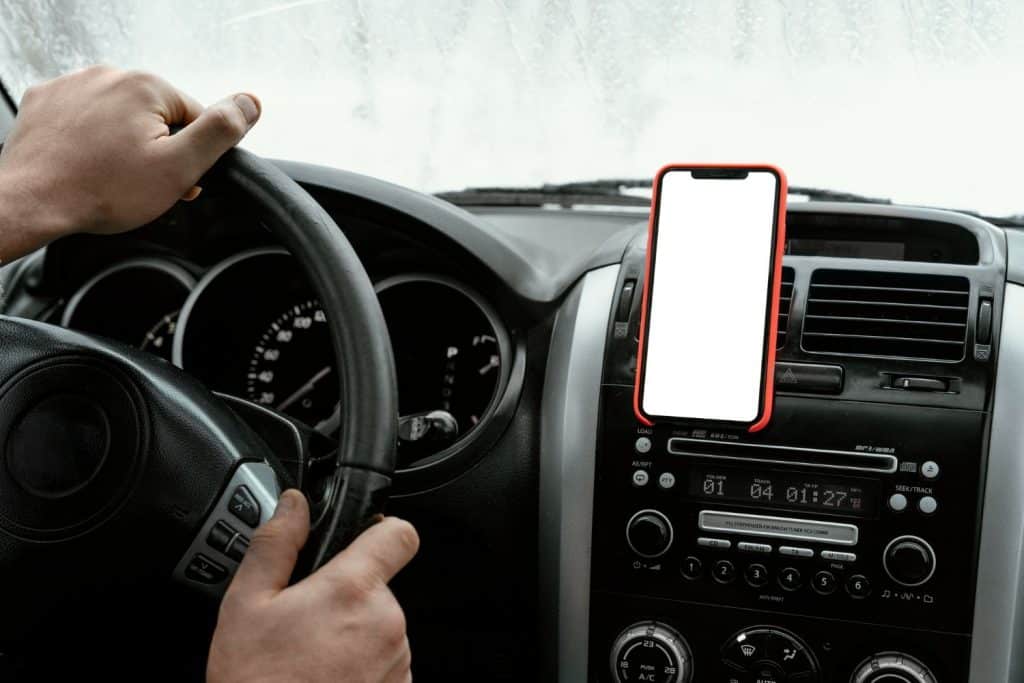
The vent mount wins for most urban drivers — full stop. It sits at eye level, costs under $20 at retail, and installs in about forty seconds. But it’s not universal. Vehicles with angled or horizontal louvered vents (a lot of European models, some Japanese kei cars) just don’t grip well, and that’s a return waiting to happen.
And this matters beyond individual buyers. When sourcing teams explore the applications of phone case accessories alongside mounting hardware, the vent category consistently leads in attach-rate data — meaning customers buy both together. The same pattern shows up when you look at how a phone case printer vending setup handles product adjacency: mount type and case type are linked decisions, not separate ones. Understanding how countries embrace phone case printer retail alongside auto accessories tells you a lot about regional mount preferences too — markets that skew toward magnetic mounts also tend to buy thinner cases. Phone case wcu configurations in wholesale orders often mirror exactly which mount type dominates that region.
Top spots for profitable phone case and mount retail bundle well precisely because the vent mount buyer and the phone case buyer are the same commuter. Same person. Same trip to the store.
So who should use a vent mount? Honestly — most people. With one caveat: check your vents first.
Which Car Phone Holder Mounting Style Fits Your Setup Best
Mounting style is a real decision. Not a cosmetic one. The wrong choice means a wobbling phone, blocked airflow, or a screen you can’t glance at without turning your whole head — none of which you want at 70mph on the interstate.
So here’s a quick breakdown of the four main styles and where each one actually makes sense:
| Mount Style | Best For | Watch Out For |
|---|---|---|
| Vent clip (gravity) | Daily commuters, quick phone swaps | Thin vents — clips can stress the slats over time |
| Vent clip (magnetic) | Buyers using slim cases; markets where how countries embrace phone case printer retail shapes case thickness norms | Thick cases, heavy phones over 220g |
| Dashboard adhesive | Trucks, vans, vehicles with poor vent placement | Removal leaves residue; not renter-friendly |
| Windshield suction | GPS-heavy users who need maximum screen height | Illegal in some states; heat kills suction cups |
The vent mount car phone holder wins for most people purely on convenience — no tools, no permanent adhesion, repositionable. But “most people” isn’t everyone, and that matters if you’re buying in bulk or recommending to a mixed customer base.
When you explore the applications of phone case design alongside mount type, a pattern shows up fast: magnetic vent mounts sell better in regions where slim protective cases dominate. Buyers running a phone case wcu wholesale program know this intuitively — the case spec and the mount spec get ordered together, not separately.
And honestly, the retail side confirms it too. Top spots for profitable phone case retail consistently bundle vent mounts with compatible cases because the customer isn’t shopping for either in isolation — they’re solving a car setup problem in one trip. How a phone case printer vending machine handles adjacency product placement follows the exact same logic: put the mount next to the case, not across the store.
The phone case printer vending machine vs. traditional retail debate aside — both formats show the same buying behavior. Mount style and case type are linked. Treat them that way.
Conclusion
The vent mount car phone holder isn’t complicated — but buying the wrong type for your customer base is an expensive mistake that’s very easy to make.
If there’s one thing worth carrying forward from all of this: match the mount spec to the case type your buyers already use, not the other way around. Magnetic mounts need slim cases. Clip mounts need clearance. Those two constraints eliminate half the confusion before you’ve even looked at a catalog. Suppliers like Shuowei handle mixed-spec sourcing requests regularly, which matters when you’re trying to coordinate mount and case orders without juggling three separate vendors.
Get the pairing right, and the product basically sells itself.
Frequently Asked Questions
Q: What is a vent mount car phone holder and how does it actually attach?
A: A vent mount car phone holder clips directly onto your car’s air vent slats — either with a clamp-style grip or a magnetic plate — instead of sticking to your windshield or dashboard. The attachment mechanism matters more than most people realize: blade-style clips grip horizontal slats, while universal clamps work on both horizontal and vertical vents. Get the wrong type for your vent geometry and it’ll wobble loose on the first speed bump.
Q: Why does my vent mount car phone holder keep falling off?
A: Nine times out of ten, it’s a mismatch between the clip design and the vent slat width — most budget holders are engineered for slats between 8mm and 14mm, and anything outside that range won’t grip properly. Magnetic mounts can also lose hold if the metal plate is positioned behind a thick case, which weakens the magnetic pull significantly. Check the slat spec before you blame the product.
Q: Can I use a vent mount car phone holder with a thick phone case?
A: With a clip-style mount, thick cases are generally fine — clearance is the only real concern, and most clamp arms accommodate phones up to about 90mm wide. Magnetic mounts are a different story entirely: anything over 3mm of case thickness starts degrading the magnetic connection, which is why the conclusion of this article hammers the point about matching mount type to case type before you order. Battery cases and rugged cases are basically incompatible with magnetic vent mounts.
Q: How much should a decent vent mount car phone holder cost?
A: Retail, you’re looking at $8–$25 for a reliable unit — below $8, the plastic clips tend to crack within a few months of temperature cycling (cars get hot). For wholesale or OEM buyers sourcing through suppliers like Shuowei, per-unit cost drops considerably at volume, but the build quality spec needs to be locked down first or you’re just buying problems in bulk.
Q: Is a vent mount car phone holder safe to use while driving?
A: Safer than holding the phone, obviously — but “safe” depends heavily on where your vent sits relative to your sightline. A vent mount that positions your phone too low forces your eyes off the road at a steeper angle than a windshield mount would. The sweet spot is a vent that sits within 15 degrees of your natural forward gaze; anything lower and you’re better off with a different mount style.
Q: How long does a vent mount car phone holder typically last?
A: Quality varies wildly, but the failure point is almost always the same: the spring tension in the clip mechanism weakens after repeated open-and-close cycles, usually within 12–18 months for mid-range units. Higher-grade ABS plastic and stainless steel spring components extend that significantly — this is one of those spec details worth asking your supplier about directly rather than assuming from the product photos.
Q: What’s the difference between a magnetic and a clip-style vent mount car phone holder?
A: Magnetic mounts use a metal plate (attached to the phone or case) and a magnet in the cradle — one-handed docking, very clean, but case-dependent. Clip-style mounts grip the phone’s edges mechanically, which means they work with almost any case but require two hands to mount and dismount. For buyers sourcing vent mount car phone holders at scale, stocking both types is usually smarter than betting everything on one mechanism.
Q: Will a vent mount car phone holder block my AC airflow?
A: It will redirect some airflow — that’s unavoidable when something is clipped to the vent — but a well-designed mount only blocks one vent slat, leaving the others clear. The bigger practical issue is that in summer, your phone is now sitting directly in front of a warm air stream, which can trigger thermal throttling on some devices. Point a different vent at your face if heat management is a concern.