
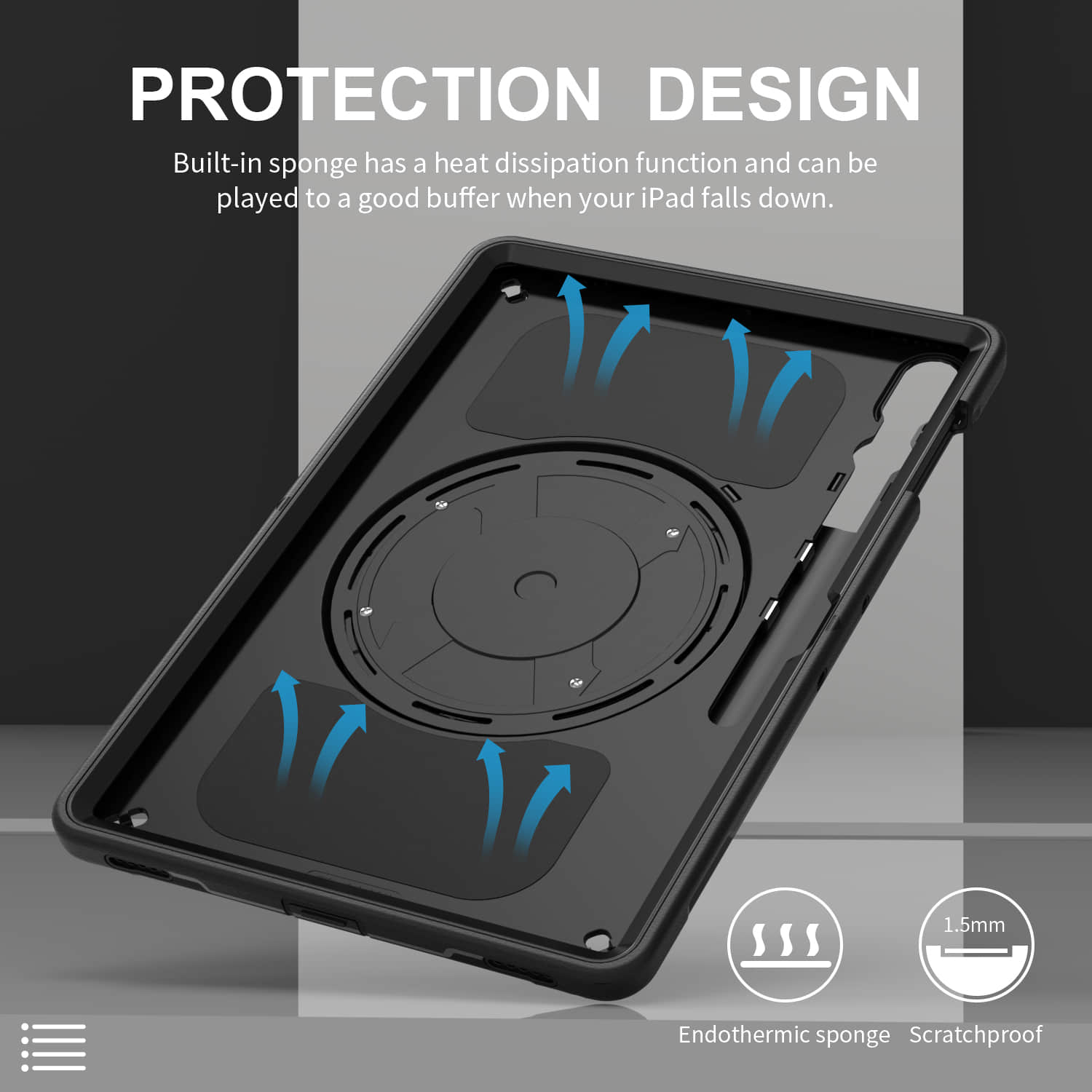

Why Medical-Grade Tablet Cases Need Antimicrobial Protection and Easy-Clean Surfaces
I watched a nurse wipe down an iPad in the ER last month — three times in under two minutes. That’s when it clicked for me how different healthcare tablets are from the one sitting on my coffee table at home.
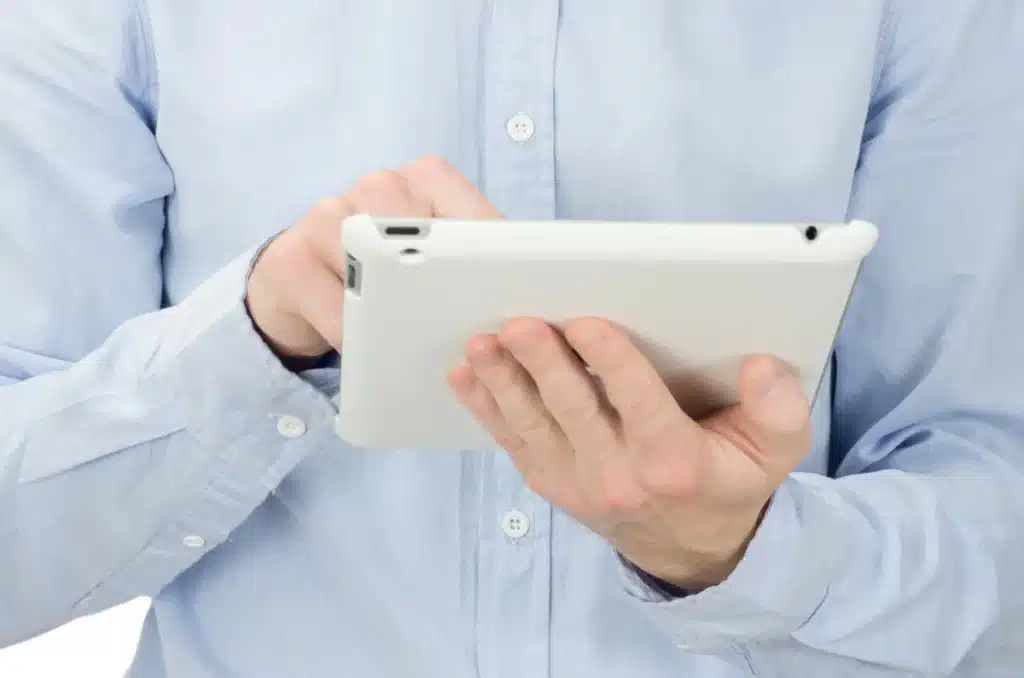
Here’s the thing about medical environments: they’re basically microbial war zones. A single tablet might get touched by twelve different people in an hour, passed between exam rooms, set down on surfaces you really don’t want to think about. Standard consumer cases? They’re porous nightmares. All those textured grips and fabric edges that feel nice in your hand — they’re collecting bacteria like it’s their job.
Medical-grade specialized tablet cases solve this with antimicrobial additives baked directly into the material (usually silver ions or copper compounds). Not a coating that wears off after six months. The entire surface actively inhibits bacterial growth.
But antimicrobial protection is only half the equation — and honestly, the easier half to get right. The real challenge is designing a case that can survive the cleaning protocols healthcare facilities actually use. We’re talking about quaternary ammonium disinfectants, bleach wipes, UV-C sanitization cycles. I’ve seen regular cases literally crack and discolor after a week of proper hospital cleaning.
So what makes a surface genuinely easy-clean in medical contexts?
- Completely non-porous materials — no microscopic crevices where pathogens can hide between cleanings
- Smooth surfaces without raised textures, seams, or decorative elements that trap fluids
- Chemical resistance rated for hospital-grade disinfectants (check for EPA List N compatibility)
- Sealed port covers that don’t create gaps when opened repeatedly
- No fabric, leather, or foam components whatsoever
The best medical tablet cases I’ve tested use materials like thermoplastic polyurethane or medical-grade silicone — both can handle aggressive cleaning without degrading. And they dry fast, which matters more than you’d think when you’re wiping down devices between every single patient interaction.
This isn’t about being paranoid. It’s about infection control standards that exist for very good reasons.
Device Integration Features That Actually Matter in Healthcare Tablet Cases
So I watched a nurse try to scan a patient’s wristband barcode last week while holding an iPad in one of those cheap Amazon cases. She had to take the whole thing out of the case, scan the barcode, then wrestle it back in. Took maybe 45 seconds. Multiply that by 30 patients per shift and you’ve just wasted 20 minutes on pure friction.
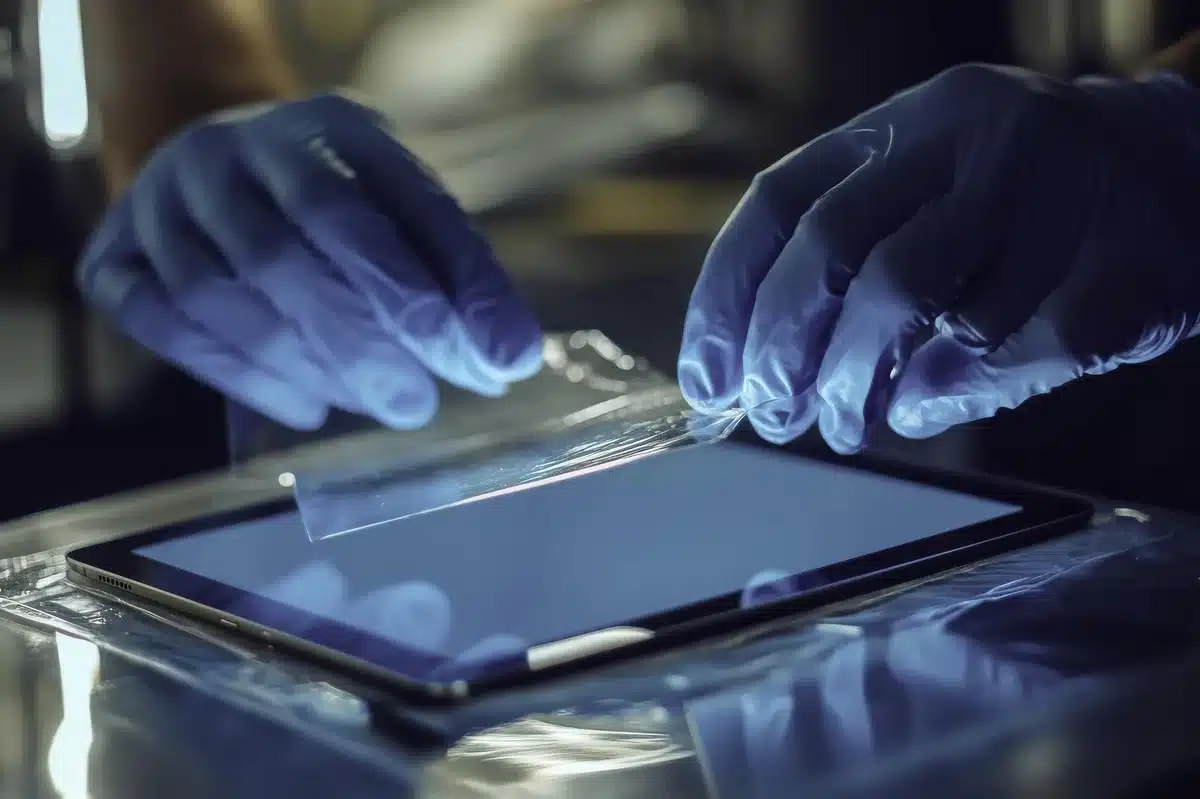
This is why barcode scanner cutouts matter — and I mean properly designed cutouts that don’t block the camera flash or create weird shadows. The good medical cases position these openings at the exact angle healthcare workers actually hold tablets when scanning. Not where some designer thought they’d look nice.
Stylus integration is another thing that sounds simple until you see how it plays out in real environments. Doctors and nurses can’t keep track of loose styluses. They just can’t. The best specialized tablet cases I’ve tested have tethered stylus holders that keep the pen attached but allow full range of motion — no fumbling around looking for where you set it down between patient rooms.
And here’s what nobody talks about: charging accessibility. A lot of healthcare facilities use mobile carts with integrated charging systems. If your tablet case blocks the charging port or requires removing the device every single time, it’s going to end up in a drawer somewhere while staff go back to using naked tablets (which defeats the entire infection control purpose).
The same goes for headphone jacks and auxiliary ports. Physical therapy departments use tablets for gait analysis apps. Behavioral health units use them for patient entertainment. These aren’t edge cases — they’re daily workflows that break down when port access is an afterthought.
One more thing that actually matters: hand strap positioning. Not those flimsy elastic loops that snap after three weeks. I’m talking about rotating hand straps that accommodate both left and right-handed users and different grip styles. Because a tablet that’s comfortable to hold for 12-hour shifts is a tablet that actually gets used the way it’s supposed to be used.
How to Choose Tablet Cases for Clinical Environments: Material Standards and Compliance
OK so here’s where most hospitals get tripped up — they think any rugged case will do, then six months later they’re dealing with infection control audits or failed Joint Commission inspections because nobody checked the actual material certifications.

First thing: antimicrobial coatings aren’t all created equal. You want cases treated with EPA-registered antimicrobial agents (silver ion is the current standard), and you need documentation proving it. Not marketing fluff. Actual test data showing log reduction rates against MRSA, C. diff, and VRE. I’ve seen facilities buy “antimicrobial” cases that just had a basic plastic additive with zero clinical efficacy. Total waste of money.
The cleaning protocol compatibility matters way more than most spec sheets let on. Your case needs to survive 10,000+ wipe-downs with hospital-grade disinfectants — we’re talking bleach solutions, quaternary ammonium compounds, hydrogen peroxide wipes. The cheap cases start degrading after maybe 200 cycles. The plastic gets cloudy, seams separate, ports crack open. And then you’ve got an infection vector instead of a protective barrier.
Here’s what actually passes muster for clinical compliance:
- IP65 rating minimum (dust-tight, protected against water jets from any direction)
- Medical-grade TPU or polycarbonate construction — not regular consumer plastics
- Sealed ports with antimicrobial-treated closures
- Cleanroom manufacturing documentation if you’re in surgical environments
- NSF/ANSI 51 certification for food zone equipment (yes, this applies to tablets used in dietary and nutrition services)
But wait, there’s more. HIPAA doesn’t technically regulate case materials, but privacy officers care about one thing: can this case support encrypted device policies without interfering with biometric sensors or camera-based authentication? Because a specialized tablet case that blocks the fingerprint reader is going to create security workarounds that violate your BAA.
One last reality check — ask for the manufacturer’s biocompatibility testing results if your tablets ever touch patients directly (think bedside monitoring or physical therapy applications). ISO 10993 standards exist for a reason.
Real-World Durability Testing — What Medical Tablet Cases Survive in Hospital Settings
I once watched a nurse drop an iPad from waist height onto a tile floor — twice in the same shift — and the specialized tablet case didn’t even crack. That was three years ago. Same case is still in rotation today, though the corner bumpers look like they’ve been through a cheese grater.
Hospital durability isn’t about controlled lab tests. It’s about the janitor’s cleaning cart slamming into your medication cart at 6 AM. It’s about hand sanitizer gel pooling in the charging port. It’s about that one physician who thinks “waterproof” means you can rinse the whole tablet under the faucet (you can’t, by the way — IP65 is splash-resistant, not submersible).
The cases that actually survive? They share a few characteristics. TPU bumpers with air pockets — not just solid rubber edges — because those air chambers absorb impact way better than dense materials. Reinforced corners that extend beyond the tablet’s footprint by at least 3mm. And here’s the detail nobody mentions: the screen bezel needs to sit 1-2mm higher than the glass itself, creating a protective lip that prevents direct screen-to-floor contact during face-down drops.
Drop testing standards matter less than you’d think. MIL-STD-810G sounds impressive until you realize it specifies drops from 4 feet onto plywood — not exactly representative of a 6-foot IV pole crash. The cases that hold up in real hospital use typically survive 6-foot drops onto concrete, repeated drops (not just the single-drop certification tests), and corner impacts specifically.
But here’s what kills cases faster than drops: chemical exposure. That 10% bleach solution your EVS team uses? It degrades polycarbonate within 18 months. I’ve seen specialized tablet case materials literally become brittle and crack just from daily Caviwipe exposure. Medical-grade cases use either chemically-resistant TPU or treated polycarbonate that can handle 3,000+ wipe-downs without material breakdown.
And the hand strap. Oh man, the hand strap fails first on 80% of cases. Stitching comes apart, adhesive mounting points peel off, elastic loses tension. If the strap attachment points aren’t reinforced with metal grommets or double-stitched nylon, plan on replacements every 8-10 months in high-use environments.
Conclusion
Look — if you’re buying a Specialized Tablet Case for actual clinical use, skip the Amazon bestsellers and go straight to medical-grade options. The $40 price difference between consumer cases and hospital-rated ones disappears real fast when you’re replacing broken cases every nine months.
Focus on three things: proven 6-foot drop rating onto concrete (not marketing fluff), chemically-resistant materials that can handle bleach wipes, and reinforced hand strap mounting. Metal grommets or double-stitched attachment points aren’t optional — they’re the difference between a case that lasts two years and one that falls apart by October.
And honestly? Talk to your EVS team before you buy. They’ll tell you which cases actually survive their cleaning protocols.
Frequently Asked Questions
Q: What makes a Specialized Tablet Case different from regular tablet cases?
A: The main difference is durability standards — Specialized Tablet Cases are built for professional environments where drops onto concrete floors are routine, not occasional. They use chemically-resistant materials that can handle daily bleach wipes without degrading, and most feature reinforced hand straps with metal grommets instead of the plastic clips you see on consumer cases. Think hospital carts, construction sites, warehouse inventory work.
Q: How much should I expect to pay for a medical-grade tablet case?
A: Legit medical-grade cases typically run $80-$140, depending on tablet size and certification level. You’ll see cheaper “ruggedized” cases for $35-$50, but those usually lack proper antimicrobial coatings or fail after six months of actual hospital use.
Q: Can a Specialized Tablet Case survive daily cleaning with hospital disinfectants?
A: Only if it’s specifically rated for chemical resistance — and honestly, you need to verify which chemicals. Cases rated for quaternary ammonium compounds might still degrade with bleach-based cleaners or hydrogen peroxide solutions. Check the manufacturer’s compatibility chart before you buy, or better yet, ask your EVS team which cases they’ve seen hold up.
Q: What’s the actual drop rating I should look for?
A: Six feet onto concrete, minimum. Some manufacturers advertise “military drop tested” but conveniently leave out the surface type — dropping onto plywood isn’t the same as tile or concrete. MIL-STD-810G certification is solid if you can verify the test conditions.
Q: Why do medical professionals prefer hand strap cases over kickstand designs?
A: Because you can’t carry a tablet with a kickstand when you’re moving between patient rooms — and setting it down constantly in a clinical setting is both inefficient and a contamination risk. Hand straps let you hold the device securely while keeping one hand free for charting or equipment. The strap also prevents the “juggling catch” when someone bumps into you in a hallway.
Q: How long does a quality Specialized Tablet Case typically last in heavy-use environments?
A: Two years is realistic for daily hospital or industrial use — assuming you bought an actual medical-grade case with proper materials. Consumer cases marketed as “rugged” usually start showing wear around 8-10 months when they’re getting wiped down multiple times per shift.
Q: Are shoulder straps worth adding to a Specialized Tablet Case?
A: Depends on your workflow, honestly. If you’re doing rounds and need both hands free frequently, yeah — shoulder straps are clutch. But for stationary cart use or short trips between workstations, they just get in the way and catch on door handles.