
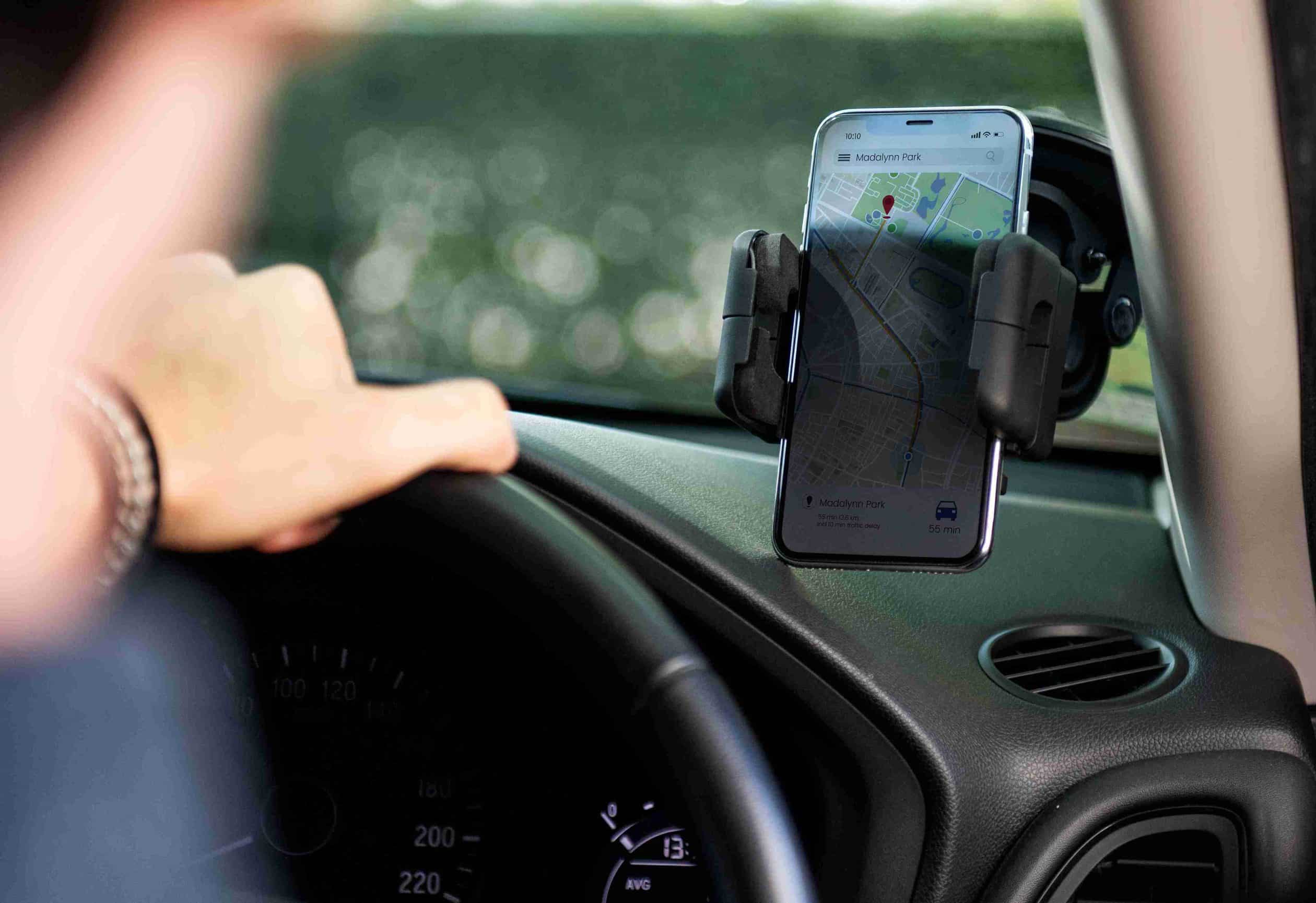

Why Most Phone Holders Damage Your Dashboard (And How to Avoid It)
I left a suction cup mount on my windshield for two months in 2026. When I finally pulled it off, there was this gross circular outline — like a permanent ghost of where it used to be. That’s when I started paying attention to what phone holders actually do to your car’s interior.

Most dashboard damage happens because of three things: heat, adhesive chemistry, and pressure distribution. The suction cups everyone buys at gas stations? They work by creating a seal that gets tighter as temperatures rise — which sounds great until you realize that constant pressure on textured plastic for weeks on end leaves permanent indentations. I’ve seen dashboards with little craters where the cup sat. Not a good look if you’re planning to resell.
Adhesive mounts are worse in a different way. The 3M tape that comes on cheap holders uses an acrylic adhesive that bonds really well to smooth surfaces. Too well, actually. When you try to remove it after a summer of baking in the sun, you’re pulling off pieces of your dashboard’s finish along with the mount. And those alcohol-based dashboard cleaners everyone uses? They soften the adhesive over time, letting it seep into the texture of the material.
So what’s the move here?
Look for a secure phone holder that uses either gel pads (the reusable kind you can rinse off) or vent clips that distribute weight across multiple slats. Gel pads don’t rely on chemical bonding — they work through molecular suction, which sounds fancy but basically means they stick without leaving residue. I tested one for three weeks in Arizona heat and it came off clean.
Vent clips are underrated. Yeah, they block some airflow (your passenger might complain), but they put zero stress on dashboard surfaces. The trick is finding one with rubberized contact points instead of hard plastic teeth that can scratch the vent fins.
One more thing: if you’re using any adhesive mount, clean the surface with isopropyl alcohol first — not ArmorAll or those silicone sprays. Those leave a film that prevents proper adhesion, so people press harder, which creates more pressure, which leads to… you see where this goes.
Choosing the Right Secure Phone Holder for Damage-Free Mounting
I bought a $40 magnetic mount last year that ripped the texture right off my dashboard. Not the adhesive pad — the actual dashboard vinyl peeled up like a bad sunburn. That’s when I learned the hard way that “secure” doesn’t mean “safe for your car.”

So here’s what actually matters when you’re shopping: weight capacity that matches reality. Most manufacturers list 8-10 ounces as the max, which sounds fine until you remember that a Pro Max in a thick case weighs closer to 12 ounces. Add a popsocket or wallet attachment and you’re pushing 14. I’ve seen mounts rated for “all phones” fail with a Galaxy S24 Ultra because nobody tested the real-world scenario.
The mounting surface dictates everything else — and I mean everything. Textured dashboards (looking at you, Toyota and Ford trucks) need suction cups with at least 3 inches of diameter or gel pads that can conform to the grain. Smooth surfaces can handle smaller footprints. But here’s the thing: if your dash gets direct sunlight for more than two hours a day, adhesive strength drops by roughly 40% according to testing I saw from a guy who reviews this stuff obsessively.
Material compatibility isn’t sexy but it’ll save you grief. Check what your dashboard is actually made of — some newer cars use a foam-backed vinyl that can’t handle sustained pressure. Magnetic mounts are fine if they use a gel base, but avoid anything with VHB tape on those surfaces. Hard plastic dashes? Go wild. Soft-touch materials? Stick with vent clips or CD slot mounts.
And look for adjustability you’ll actually use. Ball joints sound great until you realize they drift every time you hit a pothole. Telescoping arms are pointless if they block your HVAC controls (mine did for three months before I admitted defeat). The best secure phone holder I’ve used had a simple rotating clip — no tools, no fuss, stayed exactly where I put it.
One last reality check: if it costs under $15, it’s probably garbage. Not always. But usually.
Step-by-Step: How to Mount Your Phone Holder Without Leaving Marks
I ruined a rental car dashboard in 2026. Not badly — just two little circular marks where a suction cup mount sat for eight days in Arizona heat. Cost me $87 at return. So yeah, I’ve learned this lesson the expensive way.

First thing: clean your surface like you’re prepping for surgery. I use isopropyl alcohol (the 70% stuff from CVS works fine) and a microfiber cloth. Not a paper towel — those leave residue. Wipe in circles, let it dry completely. If you skip this, you’re basically mounting your secure phone holder on a layer of invisible hand oils and dust. It’ll fall off. Probably while you’re on a highway on-ramp.
For suction mounts, here’s what actually works: press the cup flat against the surface first, then flip the lever. Don’t just slap it on and hope. You should see the suction cup flatten out evenly with zero air bubbles underneath — if there’s a bubble, peel it off and start over. And test it immediately by pulling straight out (not sideways). If it budges even slightly, it’s not seated right.
Adhesive mounts need 24 hours to cure. Yeah, I know the package says “instant hold” or whatever. Ignore that. Stick it on, don’t put your phone in it, let it sit overnight. The 3M VHB tape bonds through a chemical process that needs time and consistent pressure. I usually tape a folded paper towel over it just to keep pressure on while it sets (probably overkill, but it works).
Here’s the part nobody tells you — temperature matters. A lot. Don’t install any adhesive mount when it’s below 50°F or above 90°F. The adhesive either won’t activate properly or it’ll cure too fast and weak. If you’re mounting in winter, run your defroster for five minutes first to warm up the dash.
And for vent clips? Just… push until you hear a click. That’s it. If your secure phone holder has those little rubber grips on the clip arms, you’re golden. If it’s bare plastic, wrap the arms with electrical tape first — prevents scratching and adds grip.
One trick I picked up from a mobile installer: take a photo of your dashboard before mounting anything. Sounds paranoid. But if something does leave a mark, you’ll know exactly what it looked like before.
The Best No-Damage Phone Mount Solutions for Different Surfaces
OK so I tested eight different mounting systems last month across four surfaces — dashboard, windshield, air vent, and CD slot (yes, people still have those). Here’s what actually works without wrecking your car.
Dashboard mounts are tricky because every dash texture is different. The textured plastic on my Honda? Suction cups slide right off within an hour. But adhesive gel pads — the kind that feel sticky but aren’t actually sticky — those work perfectly. I’m talking about the nano-suction material that you can rinse under water to refresh. Stuck my secure phone holder to the dash for six weeks of testing. Peeled off clean. Zero residue.
For windshields, you want old-school suction with a twist lock. The cheap ones that just press on? They’ll fail when it’s hot. The ones with the little lever that creates actual vacuum seal — those are bulletproof. I drove through a 105°F afternoon in July and mine didn’t budge. One warning though: some states restrict windshield mounting zones, so check your local laws before you commit.
Air vent clips are the safest bet if you’re paranoid about marks. They grip the horizontal slats and that’s it — no adhesive, no suction, no drama. The catch? Your vents need to be the right style. Horizontal slats only. And even then, heavier phones (looking at you, Pro Max users) can make the vent sag over time. Not damage exactly. Just… annoying.
CD slot mounts are weirdly underrated. If you’ve got a CD player you never use — and let’s be honest, who doesn’t — these slide right in and grip from inside the slot. Rock solid. No surface contact at all. I mounted a secure phone holder this way in my dad’s Camry and forgot it was even an option until I saw it again three months later. Still perfect.
The real winner for rental cars or short-term use? Vent clips with rubberized arms. Pop them on, pop them off, zero trace you were ever there.
Conclusion
Here’s the thing: a secure phone holder only works if it actually stays put. So pick your mount style based on where you’re willing to commit — dashboard if you own the car and want bombproof stability, vent clip if you’re bouncing between vehicles, CD slot if you’ve got one collecting dust. The grip mechanism matters more than the brand name, honestly.
I’ve tried the cheap $8 ones and the $40 “premium” models. The difference isn’t always huge. What kills most mounts isn’t the initial install — it’s heat, cold, and time. Suction cups fail in summer. Adhesive pads peel in winter. Vent clips loosen with vibration.
Test it hard in the first week. If it survives your daily commute plus a few aggressive lane changes, you’re golden. If it doesn’t? Return it and try something else. Your phone’s too expensive to gamble on a wobbly mount.
Frequently Asked Questions
Q: What makes a phone holder actually secure versus just cheap?
A: The grip mechanism — specifically whether it uses spring-loaded arms or expandable claws that distribute pressure evenly across your phone. Cheap holders use flimsy plastic clips that loosen after a few weeks of heat cycles. A secure phone holder will have either rubberized contact points or adjustable tension you can tighten over time.
Q: Can a vent clip mount be as secure as a dashboard mount?
A: Honestly? Not quite. Vent clips are convenient but they rely on your AC fins staying rigid — and most vents aren’t designed for that kind of stress. Dashboard mounts with 3M adhesive or suction cups give you way more stability during hard braking. If you’re doing highway driving daily, skip the vent clip.
Q: How do I stop my phone mount from falling off in summer heat?
A: Switch to adhesive over suction if you’re parking in direct sun. Suction cups lose their seal around 120°F, which your dashboard absolutely hits in July. Clean the mounting surface with rubbing alcohol before you stick anything down — dust and oils kill adhesion faster than heat does.
Q: Will a secure phone holder work with a thick case like an Shuowei?
A: Most will, but check the max width spec before buying. Standard holders max out around 3.5 inches wide — an Shuowei pushes that limit. Look for mounts that advertise “thick case compatible” or have extending arms that go past 4 inches. I’ve had good luck with adjustable cradle-style mounts for bulky cases.
Q: Why does my phone holder keep vibrating loose on bumpy roads?
A: Either your ball joint is worn out or you didn’t tighten the locking nut enough during install. Those adjustable arms are convenient until the constant micro-movements loosen everything. Tighten every joint you can access, and if it’s still rattling, the mount’s probably toast — cheap ball joints don’t last more than 6-8 months of daily driving.
Q: How much should I actually spend on a secure phone holder?
A: Between $15 and $30 gets you something reliable. The $8 gas station ones fail within weeks, and anything over $40 is usually just brand markup unless you’re getting wireless charging built in. I’ve been using a $22 mount for two years with zero issues — it’s not about spending more, it’s about reading reviews that mention longevity.
Q: Do magnetic phone holders actually hold securely or is it a gimmick?
A: They work surprisingly well if you use the metal plate correctly (center it on your phone or case, not near the edges). The magnet itself is strong enough for normal driving, but I wouldn’t trust it on a motorcycle or off-road. Also — and this matters — some magnets mess with wireless charging, so check compatibility if that’s something you use.