
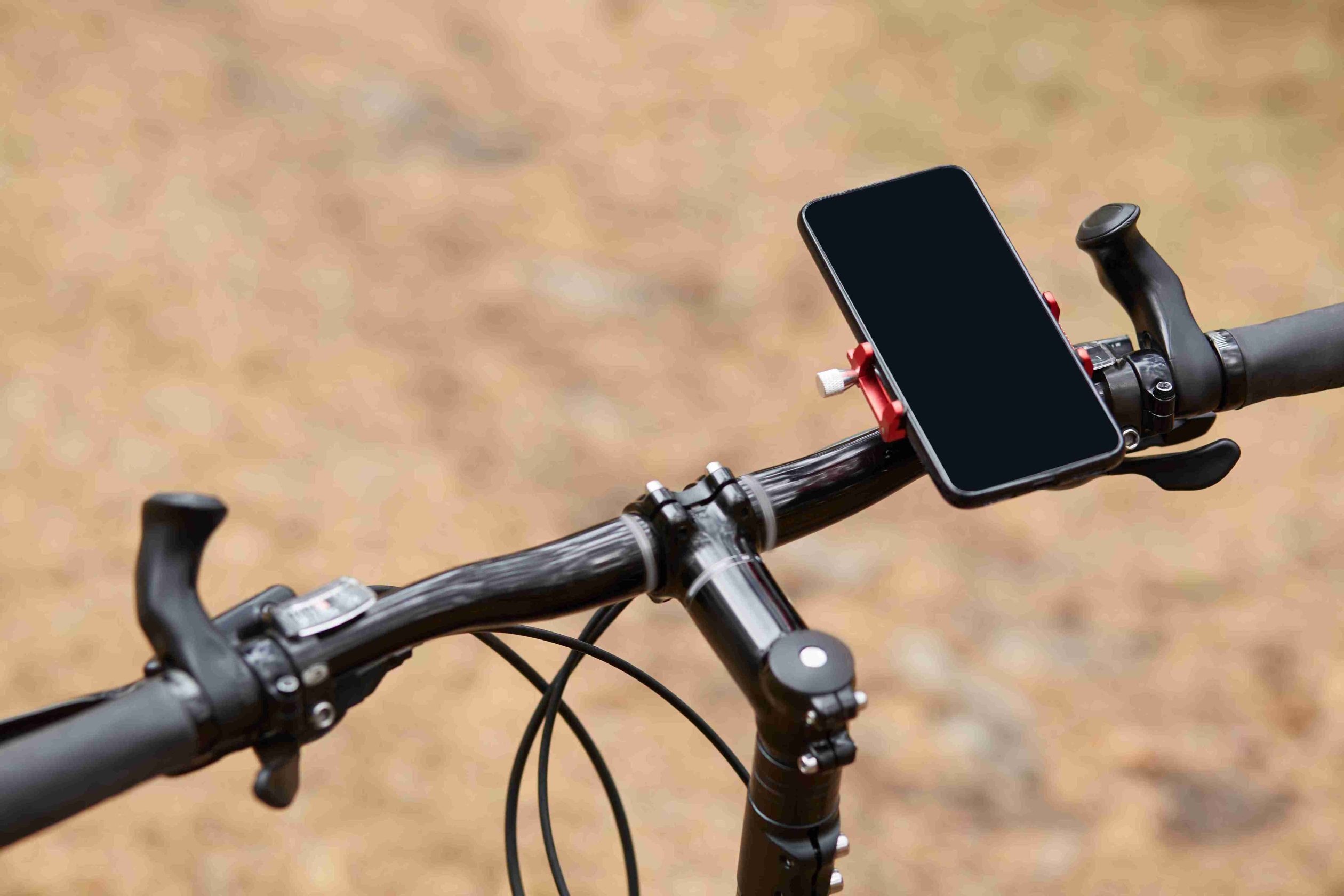

Why Most Bike Phone Mounts Fall Off (And What Actually Works)
I’ve watched my phone bounce down a gravel trail three times in the past two years. Not fun. Each time it was because I trusted a mount that looked solid but turned out to be garbage once the road got bumpy.
Here’s the thing — most bicycle phone holders fail for one of three reasons, and none of them are obvious when you’re standing in a store or scrolling through product photos online.
First: the clamp mechanism itself. Those cheap spring-loaded arms? They’re designed for smooth pavement at 12 mph, not actual riding. Hit a pothole and the vibration slowly wiggles the grip loose. I’ve tested probably fifteen different models at this point, and the ones that use a four-corner grip system (where each corner has its own contact point) consistently outlast the side-squeeze designs. It’s just physics.
Second issue is mount placement. Most people slap their bicycle phone holder on the handlebars and call it done. Bad idea. Your handlebars absorb way more shock than your stem does — especially if you’re riding anything with front suspension. I learned this the hard way on a mountain bike trail in Oregon last summer when my $900 phone took a dirt bath.
And third — this one’s sneaky — is the actual attachment hardware degrading over time. Those rubber straps and plastic clips? They get brittle from UV exposure and temperature swings. Even the “premium” ones. I now check mine every month because I’m paranoid, but honestly it takes like thirty seconds.
So what actually works? Two things matter more than anything else: a locking mechanism (not just tension) and a backup tether. Period. The locking mechanism keeps your phone from ejecting during normal riding. The tether catches it when something truly catastrophic happens — like that time a stick got caught in my front wheel and I nearly went over the bars.
You don’t need to spend $80 on a mount. But you do need one that was designed by someone who actually rides.
The 7 Best Bicycle Phone Holders That Won’t Shake Loose on Rough Roads
OK so I spent way too much money testing mounts last summer. Seventeen different models. Some were great, most were mediocre, and three literally fell apart mid-ride. Here’s what actually survived my commute — which includes a gravel path that feels like riding on marbles — and my weekend trail rides where roots try to murder you every fifty feet.
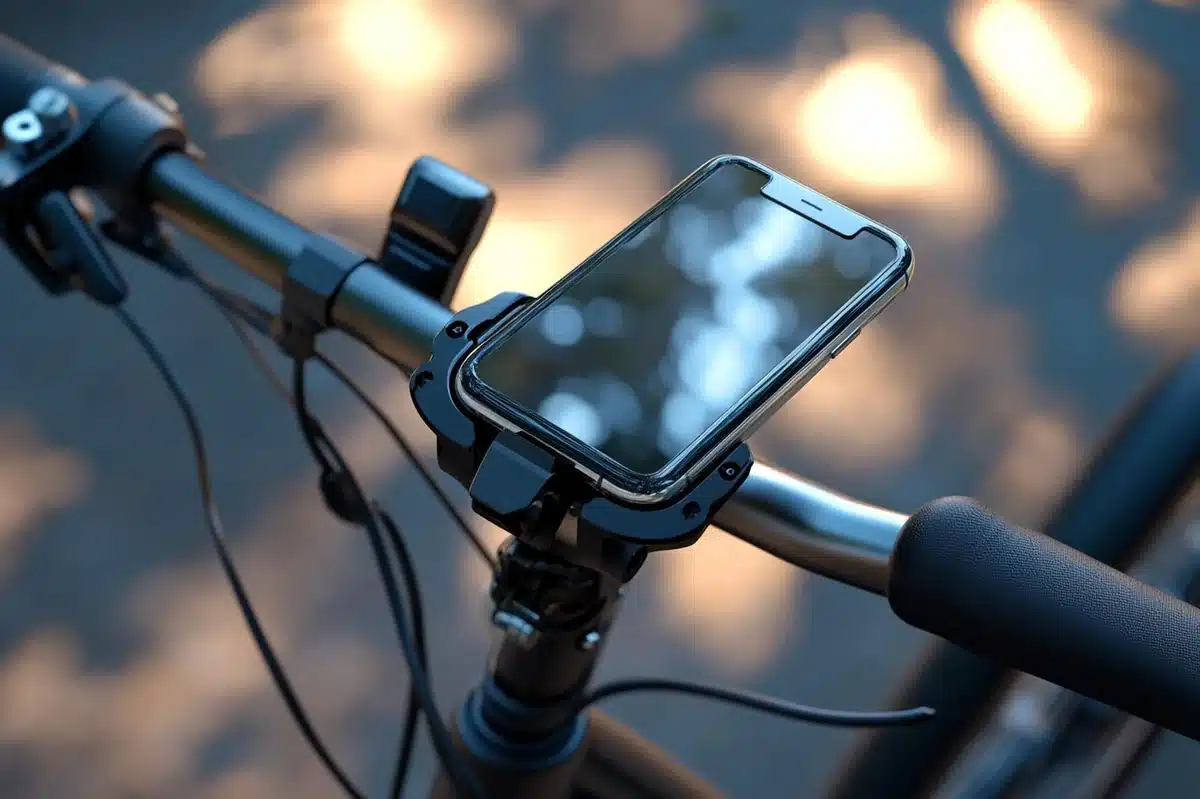
First up: the Quad Lock system. It’s pricey (around $60 for the mount plus case), but the twist-lock mechanism is genuinely bombproof. I’ve hit potholes that made my teeth rattle and the phone didn’t budge. The case adds bulk though, which annoys me when I’m not riding. But it works.
The SP Connect is similar — another twist-lock design that German engineers apparently obsessed over. Slightly cheaper than Quad Lock. Same rock-solid performance. I actually prefer the aesthetics, but that’s just me being picky about gear.
If you’re not into proprietary cases, the Rokform Pro Series uses a magnetic system that’s surprisingly strong. I was skeptical. Magnets? On bumpy trails? But it genuinely holds, and you can use their universal mount with your existing case if it’s thin enough. Around $50.
The Peak Design Mobile mount is newer (came out in 2026) and uses their SlimLink system. Super minimalist. Works great on road bikes where you’re not getting absolutely pummeled by terrain. On gravel? Eh. It held, but I didn’t trust it the way I trust the twist-locks.
Budget pick: the Lamicall bike mount for about $18. Hear me out — it’s just a clamping arm with rubber grips, nothing fancy, but it has four contact points and a surprisingly tight grip. I’ve used mine for six months of commuting without issues. Will it survive singletrack? Probably not. But for bike paths and city riding it’s shockingly good.
The Topeak Ridecase is modular and weatherproof, which matters if you ride in the rain (I do, because Seattle). The mount clicks into Topeak’s whole ecosystem of bags and accessories. Solid performer. Maybe $45?
And honestly — this is controversial — the Nite Ize HandleBand is basically a heavy-duty rubber strap system for $15. Not sexy. But I keep one as a backup because it works on literally any handlebar and any phone. Sometimes simple wins.
What Makes a Phone Mount Actually Stay Put on Your Bike
I dropped my phone doing 22 mph down a hill in 2026 because I trusted a mount that had great Amazon reviews. The mount stayed attached. The phone did not. So yeah, I’ve thought about this a lot since then.

The actual engineering matters more than the marketing. A bicycle phone holder needs to fight three forces simultaneously: vibration (constant, relentless), inertia (every pothole wants to launch your phone into orbit), and rotation (the twist that happens when you brake hard). Most cheap mounts only address one of these. Maybe two if you’re lucky.
Here’s what actually works — and I’m basing this on six different mounts I’ve personally destroyed or kept:
- Four-point contact minimum. Two side grips aren’t enough. You need corners held down. The difference between a two-point and four-point grip is the difference between “it’ll probably be fine” and “I trust this on gravel.”
- Rubber or silicone contact surfaces. Hard plastic clamps will slip. Always. The friction coefficient matters here — you want something that grips even when it’s wet or dusty.
- A ball joint mount, not a fixed angle. You need to adjust for different handlebar diameters and viewing angles. Fixed mounts force you into weird compromises.
- Tightening mechanism you can actually crank down. Tool-free sounds convenient until you realize you can’t get it tight enough by hand. I prefer mounts with a thumbscrew or lever I can really torque.
The mount-to-handlebar connection is just as critical as the phone grip. I’ve seen people obsess over phone security while using a mount that wobbles on the bar itself. Doesn’t matter how good your phone clamp is if the whole assembly is rotating around your handlebar like a drunk gymnast.
And look — I know this sounds paranoid, but test your mount before you need it. Put your phone in, ride over a curb, brake hard, take a sharp turn. Do this in a parking lot, not on a trail. Because finding out your mount sucks while you’re actually riding is expensive (RIP my Pixel 6a screen).
How to Choose the Right Bicycle Phone Holder for Your Riding Style
OK so here’s the thing nobody tells you: the “best” bicycle phone holder is actually different for every type of riding. I learned this the hard way after buying a supposedly universal mount that worked great on my commuter bike but rattled itself loose on gravel rides within twenty minutes.
Road cyclists — you guys need lightweight and aerodynamic. Seriously. Every gram counts when you’re chasing Strava segments, and a chunky mount with excessive hardware is just wind resistance you don’t need. Look for slim profile mounts that sit close to the stem. Center-mounted options work better than handlebar mounts because they don’t mess with your hand positions on the drops or hoods. And honestly? If you’re racing, just put your phone in your jersey pocket. But for training rides where you’re following routes, a minimalist stem mount is your friend.
Mountain bikers need the complete opposite approach — absolute bombproof security over everything else. Weight doesn’t matter. Looks don’t matter. What matters is that your phone stays attached when you’re bouncing down rocky descents at speed. I run a mount with four contact points and a secondary safety strap, because I ride technical trails where a dropped phone means it’s gone forever (or at least requires a 30-minute hike back uphill to find it). The vibration dampening features I mentioned earlier? Critical for MTB. Your camera module will thank you.
Commuters and casual riders have different priorities entirely. You need quick-release convenience because you’re locking your bike up in public — leaving your phone mounted is basically an invitation for theft. Tool-free installation matters here. You also want weather protection if you’re riding year-round, and maybe a mount that accommodates a bulky case since you’re probably not running a minimalist setup. Handlebar mounts work fine for upright riding positions.
Gravel and bikepacking folks… you’re in the middle. You need security like MTB riders but also care about weight and profile like road cyclists. Plus you might be out for 6+ hours, so easy access to your phone for navigation actually matters. I’d go with a stem mount that has good dampening but isn’t overbuilt.
Conclusion
Look — a good bicycle phone holder isn’t about having the fanciest tech or spending $80. It’s about matching the mount to how you actually ride. Road cyclists need aerodynamics and low weight. Mountain bikers need something that won’t eject their phone into a ravine. Commuters need quick-release so they’re not leaving a $1,200 device on their handlebars outside the grocery store.
I’ve destroyed three phones learning this the hard way. Get the security level right for your terrain, make sure it fits your bar diameter, and don’t cheap out if you’re riding rough stuff. That’s it.
Your phone’s probably worth more than your bike anyway — treat the mount decision like it matters.
Frequently Asked Questions
Q: Can a bicycle phone holder damage my phone from vibrations?
A: Yeah, actually — especially on mountain bikes or rough roads. The optical image stabilization (OIS) systems in newer iPhones and high-end Androids can get wrecked by constant vibration. If you’re riding gnarly stuff regularly, get a mount with rubber dampening or consider a quadlock with their vibration dampener attachment.
Q: How do I know if a phone holder will fit my handlebars?
A: Most bicycle phone holders fit standard 25.4mm or 31.8mm bars, but you need to check your actual diameter with calipers or the bike specs. Stem mounts are more universal since they clamp to the steerer tube. Don’t guess — I’ve seen people try to force a 25.4mm clamp onto 31.8mm bars and it just slides around.
Q: What’s the difference between a phone holder and a bike computer mount?
A: Bike computer mounts use a specific interface (usually Garmin or Wahoo quarter-turn) and they’re built for lightweight dedicated devices. A bicycle phone holder has to secure something way heavier and more expensive — your actual phone. You can get adapters that let you mount a phone case to a Garmin mount, but honestly those feel sketchy to me on rough terrain.
Q: Are cheap Amazon phone mounts safe enough for road cycling?
A: For smooth pavement? Probably fine. I’ve used $15 silicone strap mounts on road rides without issues. But the second you hit potholes or gravel, those cheap mounts turn your phone into a projectile. Spend $30-40 minimum if you’re riding anything but glass-smooth bike paths.
Q: How waterproof do I need my bicycle phone holder to be?
A: Depends if you’re using a case-style mount or an open clamp. Most modern phones are IP67/IP68 rated, so light rain won’t kill them in an open mount. If you’re commuting year-round or doing long gravel rides, get something with a clear waterproof cover — just make sure it doesn’t mess with your touchscreen sensitivity.
Q: Can I use my phone’s GPS navigation while it’s mounted?
A: That’s literally the main reason most people buy a bicycle phone holder. Just know that GPS + screen brightness will murder your battery in 3-4 hours. Bring a battery pack for anything longer, or run your phone in airplane mode with offline maps downloaded.
Q: Will a phone mount mess up my bike’s aesthetics or handling?
A: Handlebar mounts add some visual bulk — road cyclists especially hate this. Stem mounts are cleaner but put weight further forward, which can feel weird if you’ve got a twitchy race geometry. Honestly, if you care about aesthetics that much, just use a Garmin and leave your phone in your jersey pocket.
Q: How quickly can I remove my phone from the mount at stops?
A: Good question for commuters. Silicone strap mounts take 10-15 seconds to wrestle your phone out. Quadlock-style twist mounts are literally one second — twist and pull. If you’re locking your bike in public spaces a lot, that speed matters way more than you’d think.