
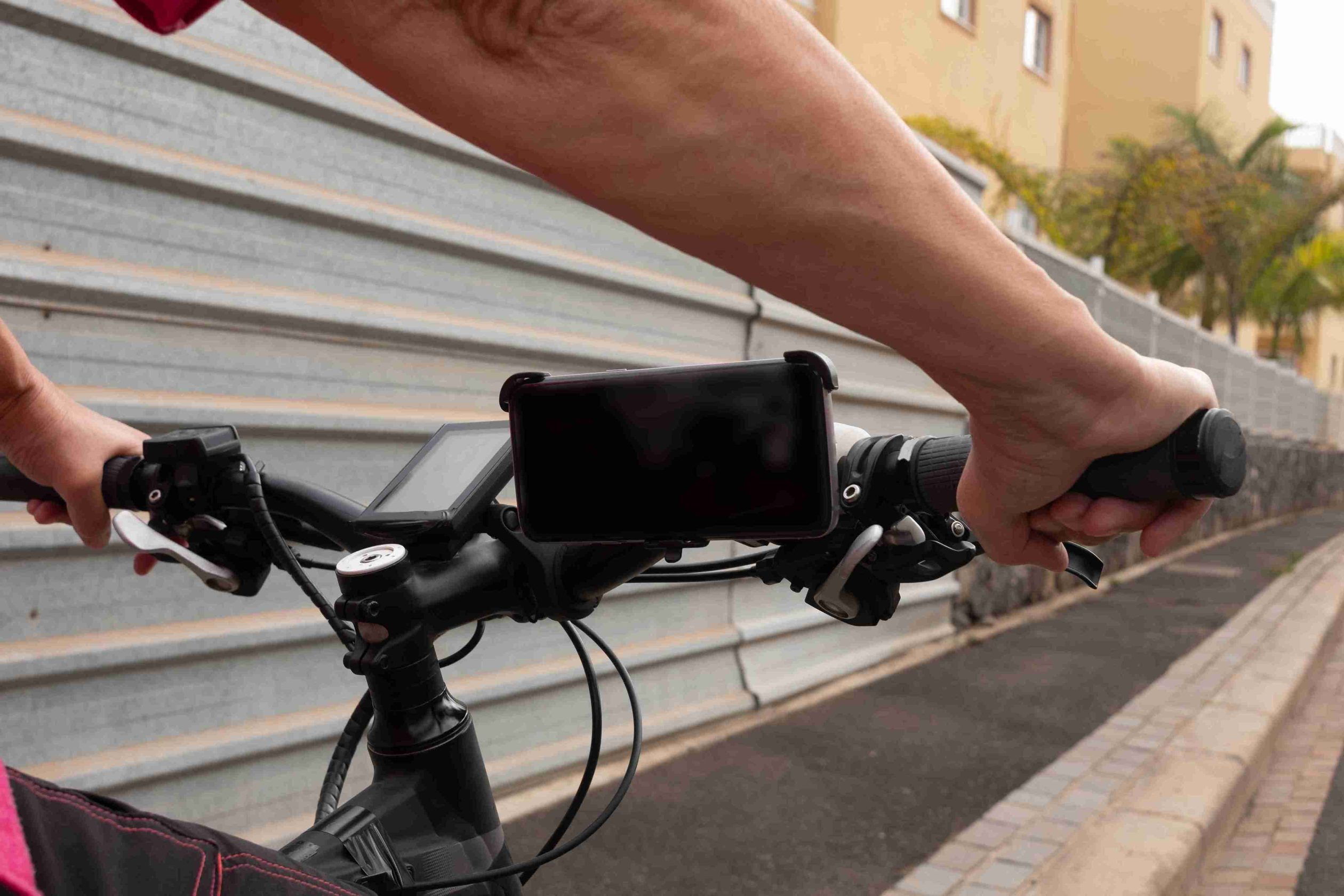

Bike Holder for Commuting Fleet Sourcing: What to Prioritize Before You Place an Order
Procurement decisions for a commuting fleet rarely hinge on a single factor — and sourcing a bike holder for commuting use at scale is no exception. Before any purchase order goes out, buyers need to work through a layered set of criteria that covers product specification, supplier capability, and long-term operational fit. Skipping that groundwork is how organizations end up with hardware that works fine in a warehouse demo but fails under daily urban conditions within six months.
Start with production transparency. Suppliers worth engaging should be able to provide documented quality control processes, not just certificates. Ask specifically how they handle dimensional tolerances on custom orders — this matters enormously when a single urban cycling mount specification needs to be replicated across dozens or hundreds of installation points with zero variance. If a supplier can’t articulate their QC workflow clearly, that’s a signal worth taking seriously before any RFQ is issued.
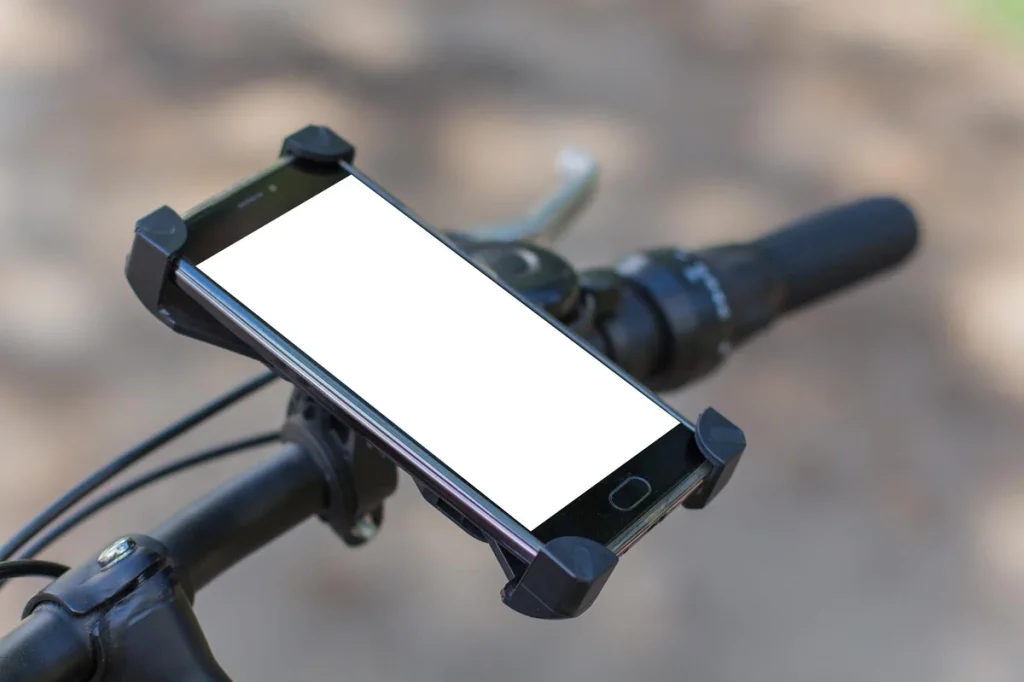
The next evaluation layer is flexibility against scale. Consider these supplier capability indicators when shortlisting:
- Minimum order quantities that accommodate phased rollouts — not just large single-batch commitments
- OEM/ODM documentation support, including technical drawings and compliance paperwork for target export markets
- Demonstrated experience with multi-SKU orders, where different holder configurations ship under a single coordinated fulfillment plan
- Responsiveness during the sampling stage — delays here almost always predict delays at production scale
Certifications deserve their own line of questioning. EN, ISO, and market-specific load-bearing standards vary by region, and a supplier who can’t clarify which certifications apply to their bike holder for commuting products — and why — is likely relying on paperwork rather than process.
Export-oriented suppliers with dedicated project coordination, such as Shuowei, tend to perform better on multi-location deployments precisely because they’re structured around managing specification variance and cross-border compliance simultaneously — rather than treating every custom request as an exception.
Finally, stress-test communication before committing. Run a technical question through their team before sampling. The speed, accuracy, and specificity of that response tells you more about operational reliability than any factory audit report.

Urban Cycling Mount Specifications That Actually Matter for High-Volume Orders
Specification sheets for urban cycling mounts tend to look similar on paper until an order arrives and something doesn’t fit — the clamp diameter is off by two millimeters, the mounting plate assumes a frame geometry that doesn’t match the fleet, or the finish oxidizes within a season because the coating spec was interpreted loosely. For procurement managers placing high-volume orders, the gap between a specification and a delivered product is where most sourcing problems actually live.
So the practical question isn’t which spec looks best in a catalog — it’s which specs are verifiable, which are negotiable, and which are non-negotiable for your specific deployment context. A bike holder for commuting used in a covered corporate bike park has different durability requirements than the same product installed at exposed transit hubs with year-round weather exposure. Treating those as interchangeable is a procurement error, not a product defect.
The specifications that consistently separate reliable high-volume orders from problematic ones:
- Clamp range and compatibility tolerance — stated as a minimum and maximum diameter, not just a single nominal figure
- Load rating per mount point, not just per unit — relevant when units are ganged or stacked in rack configurations
- Surface treatment specification — including substrate material, coating type, and salt-spray test hours where weather exposure is a factor
- Hardware standardization — whether fasteners are metric or imperial, and whether replacement parts are available through the same supplier
- Mounting footprint dimensions — critical for installations where floor anchoring or wall clearance is constrained
Each of these should appear as a confirmed, written value in the product specification — not as a general claim in marketing copy. When a supplier can provide these as part of a formal technical data sheet, that’s a signal their production process is actually controlled to those parameters.
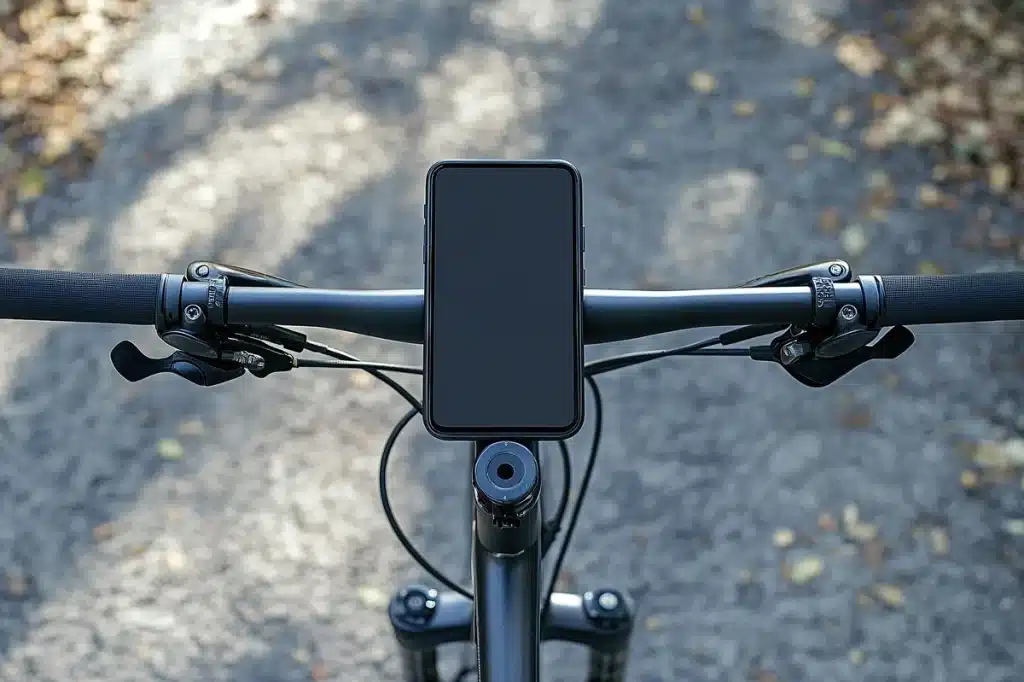
The urban cycling mount category has expanded significantly as commuter infrastructure investment has grown, and with that expansion has come a wider range of supplier capability — from tightly controlled OEM operations to assemblers working from loosely sourced components. For buyers placing orders across multiple sites or geographies, the distinction matters operationally. A bike holder for commuting that meets spec on a sample run but drifts on production units creates field problems that are expensive to remediate at scale — and almost impossible to recover from commercially without a supplier who has genuine quality control infrastructure behind the product.
Certifications, MOQs, and Lead Times: The Procurement Checklist for Commuter Bike Holders
Procurement decisions for a bike holder for commuting don’t end at material spec and load rating. The commercial layer — certifications, minimum order quantities, and lead time commitments — is where supplier relationships either hold up under operational pressure or start showing cracks. Buyers who skip this layer during supplier qualification tend to discover the gaps at the worst possible moment: mid-campaign, mid-season, or mid-rollout.
On the certification side, the relevant standards vary by destination market. EN ISO requirements apply across much of Europe, while markets in North America typically reference ASTM or UL frameworks depending on the product category and end-use context. For any urban cycling mount destined for a managed fleet, workplace mobility program, or retail channel with liability exposure, documented third-party testing is non-negotiable — not because the paperwork itself prevents failure, but because it establishes that the supplier has submitted product to an external process that validates the claims on the spec sheet. Certificates should be current, traceable to specific product versions, and available on request without delay. If a supplier hesitates or produces certificates that don’t match the SKU being quoted, treat that as a disqualifying signal.
- Confirm certification scope matches the exact product variant being ordered — not a similar model from the same factory
- Request test reports alongside certificates; the report shows what was actually tested and under what conditions
- Clarify whether certifications cover the complete assembly or individual components only
- Verify certificate validity dates and re-testing schedules for ongoing orders
MOQ thresholds vary considerably across supplier tiers. Factory-direct OEM operations often carry higher minimums but offer more flexibility on specification customization — finish, branding, mounting configuration. Trading intermediaries may offer lower entry quantities but with less visibility into production controls. For buyers scaling a bike holder for commuting program across multiple sites, the calculus usually favors a supplier with slightly higher MOQs and documented QC infrastructure over one that accommodates small runs but can’t demonstrate production consistency.
Lead times deserve the same scrutiny as price. Standard production windows run roughly four to twelve weeks depending on order complexity and factory load — but that range widens considerably if tooling changes, certification testing, or material sourcing is involved. Suppliers like Shuowei, who coordinate OEM and wholesale fulfillment for international buyers, typically provide project timelines that account for these variables upfront rather than absorbing them as delays mid-production. That kind of coordination transparency is worth factoring into supplier scoring, not just unit cost.
Conclusion
The right bike holder for commuting lives or dies on two things: whether it actually holds up under daily use, and whether your supplier can prove — not just claim — that production quality is consistent across every batch.
Don’t get distracted by the lowest unit price. A supplier who hands you a clear timeline, documents their QC process, and flags tooling variables before they become your problem is worth paying a slight premium for. That’s not a nice-to-have. It’s how you avoid a costly recall or a reorder scramble six months in.
Get your specs tight, ask hard questions about lead times, and pressure-test the QC story before you commit.
Frequently Asked Questions
Q: What is a bike holder for commuting and how is it different from a regular bike mount?
A: A bike holder for commuting is designed around the specific demands of daily use — think vibration resistance, tool-free adjustability, and compatibility with loaded bags or panniers — rather than weekend trail riding where you’re mostly worried about weight savings. Regular bike mounts often prioritize lightweight construction over durability, which sounds appealing until the bracket cracks after six months of cobblestone and kerb drops. Commuter-grade holders typically use reinforced clamps and weather-sealed hardware that recreational mounts skip entirely.
Q: How do I choose the right bike holder for commuting in an urban environment?
A: Start with your handlebars — diameter matters more than most buyers realize, and a mismatched clamp is the number one cause of wobble complaints. From there, factor in what you’re actually mounting: a phone, a light, a GPS unit — each has different vibration tolerance requirements. A bike holder for commuting in stop-start city traffic also needs quick-release functionality, because leaving an expensive device unattended on a bike rack is not a strategy.
Q: How much should a quality bike holder for commuting cost?
A: For a single retail unit, expect to pay more for holders with proper vibration dampening and UV-resistant materials — the ones priced at the very bottom of the market typically cut corners on the clamp mechanism, which is exactly the part that fails first. B2B buyers sourcing in volume can bring that unit cost down significantly, but the spec sheet needs to stay tight; suppliers who drop price by thinning out the bracket wall thickness are solving the wrong problem.
Q: Why do bike holders for commuting fail so quickly on city roads?
A: Urban roads are genuinely brutal on hardware — potholes, expansion joints, and constant braking create micro-vibrations that loosen fasteners over time, and most holders aren’t engineered with that cumulative stress in mind. The weak point is almost always the locking mechanism or the mounting arm, not the body itself. Holders built for commuting specifically should have secondary locking features — a set screw, a silicone grip insert, something — rather than relying on a single tension point.
Q: Can I use a phone mount as a bike holder for commuting, or do I need a dedicated device?
A: A phone mount can absolutely function as a bike holder for commuting, but only if it’s rated for outdoor, all-weather use — most consumer phone mounts are not, and the difference becomes obvious the first time you ride through rain. Look for holders with silicone or rubber-lined grips rather than bare plastic, and check whether the clamp design allows one-handed operation (critical when you’re stopping at lights in traffic).
Q: How long should a bike holder for commuting realistically last?
A: A well-built holder — one using glass-fiber reinforced nylon or aluminum alloy rather than standard ABS — should hold up through several years of daily use without significant play developing in the joint. The honest answer is that lifespan correlates almost entirely with material grade and QC consistency at the manufacturing stage; two holders that look identical on a spec sheet can perform very differently if one was made with off-spec resin or inconsistent injection molding pressure. Buyers sourcing at scale should request batch-level QC documentation, not just sample approval.
Q: Is it worth buying a bike holder for commuting in bulk for fleet or resale purposes?
A: For fleet operators — delivery services, bike-share programs, corporate commuter fleets — bulk sourcing makes obvious sense, but the supplier relationship matters as much as the unit price. A supplier who can accommodate custom branding, consistent batch quality, and flexible MOQs (minimum order quantities) is far more valuable than one offering a lower price with unpredictable lead times. Working with an OEM/ODM-capable supplier, like those experienced in export-oriented B2B fulfillment, gives you the ability to dial in specs — clamp diameter, color, packaging — rather than accepting whatever’s already on the shelf.
Q: What handlebar sizes are compatible with most bike holders for commuting?
A: Most commuter-focused holders are designed to fit the two most common handlebar diameters — 22mm (standard) and 31.8mm (oversized) — with some models offering a shim or adapter to bridge the gap. The issue is that “universal” claims on product listings often mean “fits most” rather than “fits all,” so verify the clamp range against your specific bar before committing to a large order. Drop bars and aero bars used on road or gravel bikes typically need a dedicated adapter, since standard clamps don’t grip the curved section cleanly.