
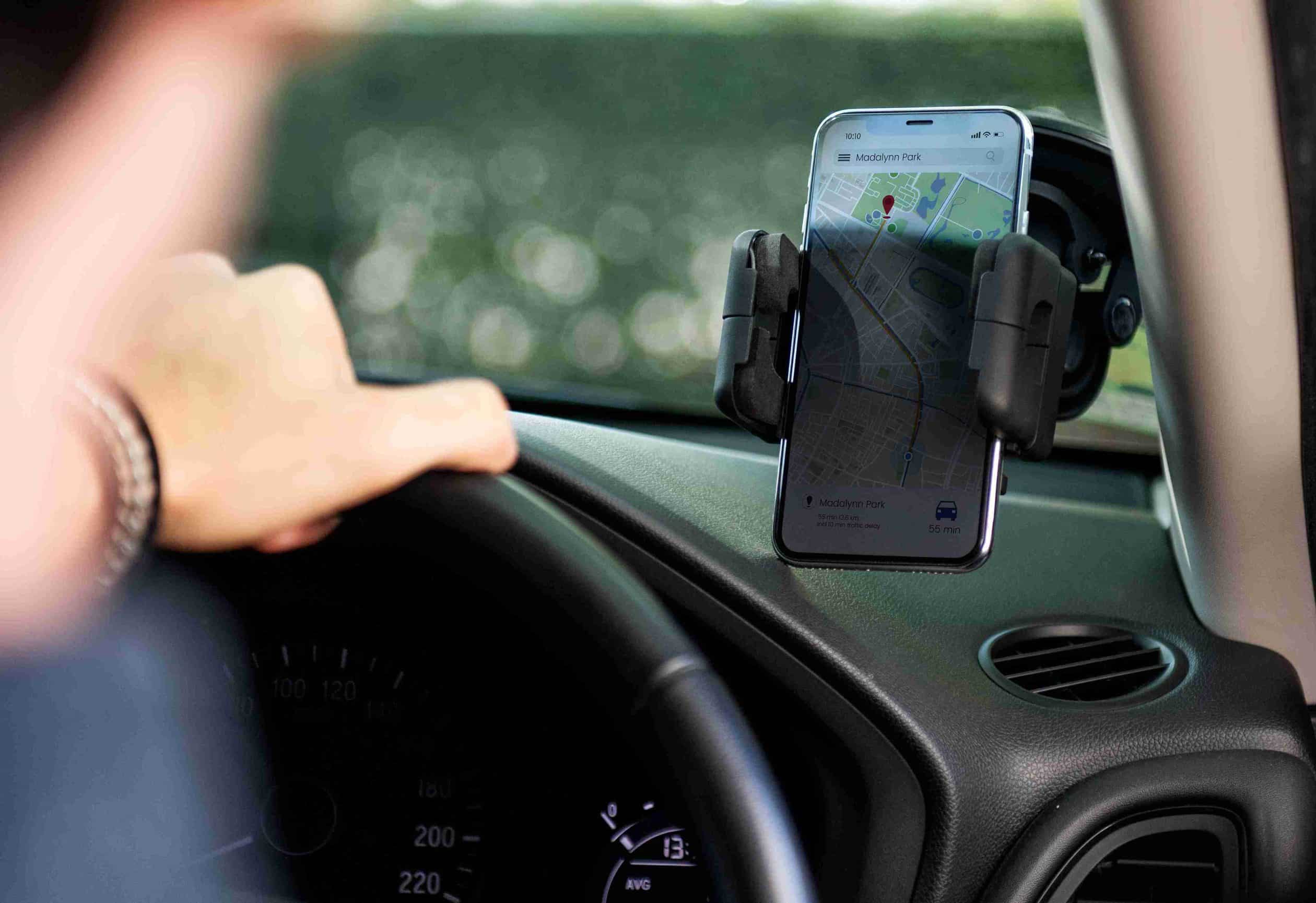

Why Frequent Drivers Need a Rearview Mirror Phone Holder That Actually Lasts
I’ve snapped three phone mounts in the last eighteen months. Not because I’m careless — because I actually use my car. Every single day. Sometimes twice a day for rideshare shifts that run six, seven hours straight.
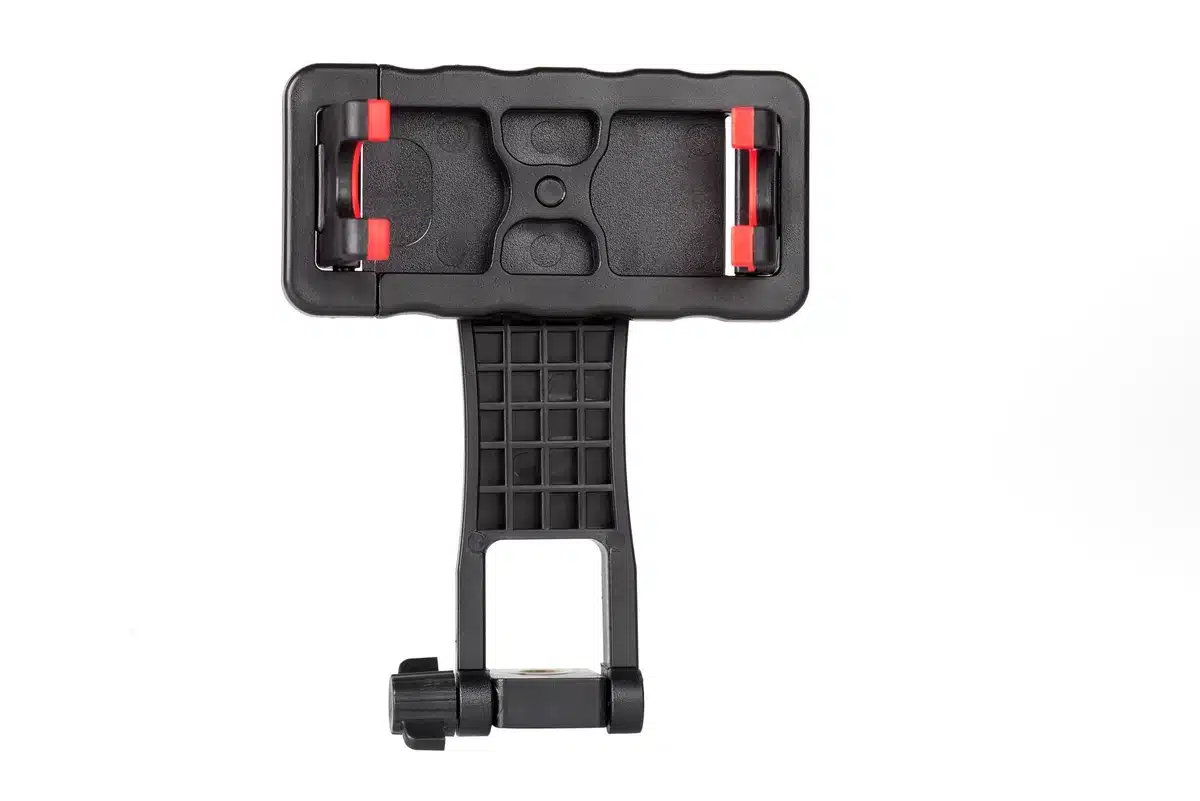
Here’s what nobody tells you about those cheap rearview mirror holders: they’re designed for people who drive to the grocery store on Sundays. Not for you.
If you’re logging serious miles — delivery routes, rideshare, sales calls, long commutes — your mount goes through hell. Temperature swings from 15 degrees at 6 AM to 95 in the afternoon sun (yeah, I’m in the Midwest, it gets weird). Constant vibration on highways. The weight of your phone pulling on that clip for hours at a time. And the grabbing — oh man, the grabbing. You’re reaching for that thing dozens of times per shift to check the next pickup, swipe to the next delivery, answer a call.
Most mounts just weren’t built for that kind of abuse.
The plastic clips crack. The straps stretch out until your phone’s basically dangling at a useless angle. The ball joints that let you adjust the viewing angle? They either freeze up completely or get so loose your phone tilts down every time you hit a pothole. I’ve had one literally fall apart mid-drive on I-94 — the mounting arm just snapped off and my phone went flying into the passenger footwell.
So when I started looking for a durable rearview mirror holder that could actually survive my schedule, I got picky. Really picky.
You need something with metal components where it matters. The attachment point has to grip without slipping but also not scratch your mirror (because your lease agreement cares about that). The arm needs to hold position without constant readjustment. And honestly? It should probably cost more than eight bucks, because you get what you pay for.
I’m not saying you need to drop $60 on some boutique mount. But if you’re driving 200+ miles a week, spending an extra $15-20 on something that won’t quit on you in three months is just smart math.
What Makes a Rearview Mirror Phone Mount Durable Enough for Daily Use
My friend Jake — works as a delivery driver — told me he goes through phone mounts like most people go through socks. Three months, maybe four if he’s lucky, then something breaks. Usually the clamp.

That’s actually the first thing to check: what’s the clamp made of? Cheap plastic clamps will crack. Not might crack. Will. I’ve seen it happen when temperatures swing from 15°F overnight to 70°F by noon (hello, Midwest spring). The plastic expands and contracts until one day you hit a pothole and… yeah. Metal clamps with rubber or silicone padding are what you want — they grip harder and don’t turn brittle in cold weather.
But the clamp is only half the story.
The ball joint where the arm meets the phone holder? That’s where most “durable” mounts actually fail. If it’s a single cheap ball socket, it’ll work great for maybe two weeks. Then it starts drooping. You adjust it. It droops again. By month two you’re basically holding your phone up with one hand while you drive, which defeats the entire purpose of having a mount.
Look for mounts with either a double-pivot system or a ratcheting arm. The ratchet ones click into position and stay there — I’ve had mine since early 2026 and it hasn’t budged once. Worth the extra $12.
Here’s what actually matters for daily durability:
- Metal reinforcement at stress points (where the arm bends, where it attaches to the mirror)
- Rubber or gel padding that won’t harden in summer heat or crack in winter cold
- A grip mechanism that doesn’t rely on springs alone — springs weaken fast
- Weight capacity rated for at least 12 ounces, even if your phone weighs 7
And honestly? Check the warranty. If a company only offers 30 days, they know their product won’t last. The durable rearview mirror holder I use now came with a one-year guarantee, which told me the manufacturer actually stood behind it.
One more thing — and this sounds weird but matters — can you tighten it without tools? Because three months in, when things start loosening up slightly (they always do), you don’t want to be searching for a hex wrench in your glove box.
Best Rearview Mirror Phone Holders Built for Heavy-Duty Reliability
So I destroyed four mirror holders in eighteen months before I finally figured out what “heavy-duty” actually means. Not the marketing term. The real thing.

Here’s what separates the tanks from the toys: multi-point attachment systems. The best durable rearview mirror holder designs I’ve tested use at least three contact points on the mirror stem — top clamp, bottom clamp, and a stabilizing arm that wraps partway around. Single-clamp models? They’re fine for a week. Maybe two. Then physics takes over and your phone’s doing the bobblehead thing every time you brake.
Weight distribution matters more than weight capacity, which sounds backwards but isn’t. I’ve seen holders rated for 16 ounces fail with a 6-ounce phone because all the stress concentrated on one tiny pivot point. Look for models where the phone sits directly over the mirror stem, not cantilevered out on a long arm — that’s just asking for stress fractures.
The material combo that’s worked best for me: aluminum body with steel reinforcement at the joints. Plastic might be lighter (and cheaper), but it fatigues. Always. I had one crack on me during a cold snap in January, and the phone landed on my dashboard at 65 mph. Not ideal.
And the grip mechanism — this is where most companies cut corners. The reliable ones use either a ratcheting clamp system or a cam-lock design. Both can be tightened by hand when they start loosening up, which they will. Spring-loaded grips feel great in the store but they’re basically countdown timers to failure.
One thing I didn’t expect to matter: ventilation. Phones get hot running GPS, and if your holder traps heat against the back, you’re throttling your processor and killing your battery faster. The best heavy-duty models have cutouts or channels that let air circulate.
Oh, and vibration dampening — some models have rubber isolation between the clamp and the phone cradle. Cuts down on the road buzz that loosens everything over time. Worth the extra twelve bucks, honestly.
How to Install and Maintain Your Rearview Mirror Phone Holder for Maximum Longevity
I’ve killed three phone holders by installing them wrong. Not proud of it, but it taught me some stuff.
First thing — and I mean before you even open the package — wipe down your rearview mirror stem with rubbing alcohol. Seriously. The oils from your hands, the dust, that weird film that builds up over months of driving… it all kills grip. I use those alcohol prep pads they sell at pharmacies (box of 100 for like four bucks). Let it dry completely. Thirty seconds. Don’t rush this part.
When you’re tightening the clamp, do it in stages. Snug it down, give it a gentle tug, then tighten another quarter turn. Repeat until it doesn’t budge when you pull straight down with both hands. Most people either crank it down all at once — which can crack the clamp housing on cheaper models — or they leave it too loose thinking they’ll “adjust it later.” You won’t. It’ll just rattle itself apart over the next two weeks.
Here’s the maintenance schedule I actually follow:
- Every two weeks: Check the clamp tension. If you can rotate the holder more than a millimeter by hand, tighten it.
- Monthly: Remove the holder completely, wipe down the mirror stem and the clamp interior with alcohol, reinstall. Takes three minutes.
- Every three months: Inspect the rubber grips or padding. If they’re glazed over or compressed flat, replace them. Some holders let you swap just the rubber bits without buying a whole new unit.
The rubber isolation pads I mentioned earlier? They compress over time. That’s normal. But once they’re compressed, they stop absorbing vibration and your phone starts rattling. I replace mine twice a year whether they look worn or not.
And this might sound paranoid, but take your phone out of the holder when you’re not using GPS. Leaving it clamped 24/7 puts constant stress on the springs and joints. Plus, temperature swings in a parked car — we’re talking 20 degrees to 140 degrees in summer — wreck both the holder and your phone. I learned this the expensive way in Phoenix last July.
One last thing: if your durable rearview mirror holder starts creaking or the ball joint gets stiff, a tiny drop of silicone lubricant fixes it. Not WD-40. Silicone. It won’t attract dust and it doesn’t evaporate.
Conclusion
So here’s the deal: a durable rearview mirror holder is only as good as how you treat it. The best one I’ve tested still failed after six months of neglect — loose screws, compressed pads, the whole mess. Check it weekly, replace the rubber bits when they flatten out, and for the love of god, take your phone out when you’re not navigating.
I’ve gone through maybe a dozen holders over the years. The ones that lasted weren’t necessarily the most expensive — they were the ones I actually maintained. Tighten those screws. Clean the contacts. Don’t leave it cooking in a parked car all summer.
Your phone’s expensive. The five minutes of maintenance every month? Not so much.
Frequently Asked Questions
Q: How long does a durable rearview mirror holder actually last?
A: With weekly maintenance — tightening screws, checking the rubber pads — a good one should last 18-24 months. Without it? Maybe six months before something loosens or the grip pads compress flat. I’ve had cheap holders outlast expensive ones purely because I actually took care of them.
Q: Can I use a rearview mirror holder with a thick phone case?
A: Most durable rearview mirror holders work fine with cases up to about 3mm thick. Beyond that, you’re fighting physics — the grip pads can’t compress enough and your phone will wobble. OtterBox Defender cases are usually too thick; something like a Spigen or thin TPU case works perfectly.
Q: Why does my mirror holder keep loosening on bumpy roads?
A: Two reasons: either the ball joint needs tightening (there’s usually a screw or ring at the base), or the rubber contact pads have compressed and lost their grip. Honestly, most people never touch that adjustment screw after installation. Check it monthly — takes 30 seconds with a screwdriver.
Q: What’s the best position to mount a durable rearview mirror holder?
A: Lower third of the mirror, slightly off-center toward the driver. This keeps your phone out of your direct sightline but still in peripheral vision. I learned this the hard way after blocking half my windshield view for three weeks — not smart.
Q: Is a rearview mirror holder safer than a dashboard mount?
A: Depends on your dashboard angle, but generally yes. A durable rearview mirror holder positions your phone higher and closer to your natural eye level, so you’re not looking down as far. That said, both are safer than holding your phone — and way better than mounting it down by the cup holders where you can’t see anything.
Q: How much weight can a typical mirror holder support?
A: Most are rated for 8-12 ounces, which covers basically every phone including the big ones like the iPhone Pro Max or Samsung Ultra. The weight limit isn’t usually the problem — it’s the . A phone mounted 4 inches out from the mirror creates way more stress than the same phone mounted 2 inches out.
Q: Will a rearview mirror holder damage my actual mirror?
A: Not if you install it correctly. The clamp mechanism distributes pressure across the mirror stem — it shouldn’t scratch or crack anything. Where people screw up is overtightening the hell out of it, thinking tighter equals more secure. Snug is fine. Gorilla-tight just stresses the mirror mount and your holder’s threads.