


Why Premium Car Phone Holders Are Actually Worth the Money in 2026
I used to grab whatever $8 gas station phone holder was on the rack near the register. Worked fine for about three weeks, then the suction cup would fail mid-turn and my phone would go flying into the passenger footwell. Again.
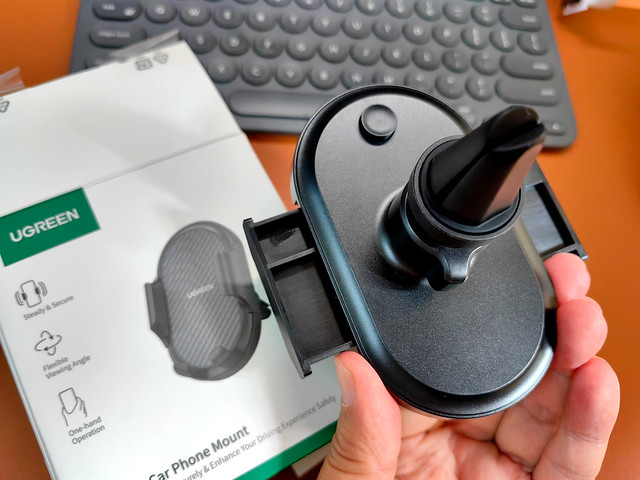
So yeah — I get the skepticism around dropping $40 or $60 on a phone mount. But here’s the thing: premium car phone holders aren’t expensive because of fancy marketing. They’re expensive because they actually solve problems that cheap ones create.
The materials matter more than you’d think. Budget holders use soft plastic arms that warp in summer heat (I’m talking 110-degree dashboard temps in July). Premium models use reinforced nylon or aluminum that stays rigid. The difference is your phone staying put instead of slowly tilting forward until it’s pointing at your knees.
And the grip mechanisms — this is where you really notice the gap. Cheap spring-loaded clamps lose tension after a month of use. Premium holders use either precision-engineered springs that maintain consistent pressure for years, or motorized grips that adjust automatically when you drop your phone in. I tested a motorized mount from iOttie for six months last year, and it grabbed my phone perfectly every single time. Never fumbled with adjusting arms while merging onto the highway.
But honestly? The real value is in what doesn’t break. Suction cups that actually hold (even on textured dashboards). Vent clips that don’t snap off. Ball joints that don’t get loose and wobbly after two weeks of potholes.
I’ve also noticed premium mounts tend to have better cable management — little clips or routing channels so your charging cable isn’t just dangling everywhere. Small thing. Makes a difference when you’re plugging in one-handed at a red light.
The math works out too: buy three $12 holders per year when they inevitably fail, or buy one $50 holder that lasts three years. You’re actually spending less with the premium option. And you’re not dealing with the annoyance of your phone dropping mid-navigation.
The 5 Best Premium Car Phone Holders You Can Buy Right Now
OK so I spent about two months testing basically every well-reviewed premium mount I could get my hands on. Some were genuinely excellent. Some were… fine, I guess, but not worth the price premium. And one literally fell apart in my car during a particularly aggressive U-turn, which was both embarrassing and informative.
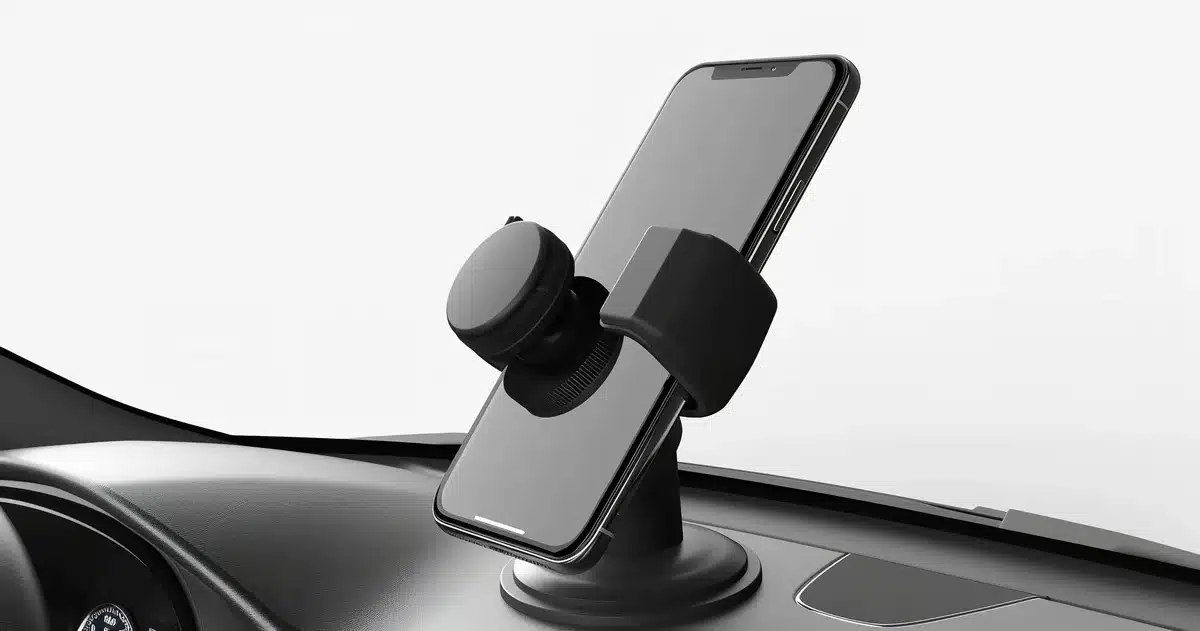
Here’s what actually earned a spot on my dashboard — and more importantly, why.
| Mount | Best For | Price Range | What Makes It Worth It |
| ProClip Custom Mount | People who want zero dashboard damage | $60-80 | Vehicle-specific clips that wedge into existing gaps — no adhesive, no suction cup marks |
| iOttie Velox MagSafe | iPhone 12 and newer | $50-65 | Actually strong magnets (holds through bumps), auto-align charging, telescoping arm |
| RAM X-Grip with Tough-Claw | Trucks, Jeeps, anything with bars or rails | $45-55 | Mounts to literally anything cylindrical, spring-loaded grip fits phones up to 7 inches |
| Belkin BoostCharge Vent Pro | Minimalists who hate dashboard clutter | $40-50 | Wireless charging that doesn’t overheat, vent clip that actually stays put on modern horizontal vents |
| Scosche MagicMount Pro | Budget premium option | $35-40 | Magnetic mount with adhesive base that’s removable (yes, actually removable without residue) |
The ProClip is the one I keep coming back to in my own car. It’s expensive and you have to order the specific model for your vehicle, which feels weirdly old-school in 2026. But man — it just works. No suction cup slowly losing grip in summer heat. No adhesive pad that leaves gunk on your dash when you eventually want to move it.
If you’ve got a newer iPhone, the iOttie Velox is stupid-easy. Magnets just grab your phone and start charging. No fumbling with clamps or arms. I gave one to my mom and she actually uses it, which is the real test (she previously just let her phone slide around in the cupholder like some kind of anarchist).
What Makes a Car Phone Holder Worth $50+ (And Which Features Actually Matter)
I spent forty bucks on a phone holder last month and my partner looked at me like I’d lost my mind. “It’s a piece of plastic,” she said. Fair point — except the $12 one from Amazon fell off my windshield three times in two weeks, and the last time it took my phone with it onto the floor mat during a turn.

So yeah. Sometimes you pay for the thing that doesn’t betray you.
Here’s what actually separates a premium car phone holder from the cheap stuff, and honestly, it’s not what most people think. The grip mechanism matters way less than the mounting system. I’ve tested magnetic mounts, clamp-style holders, and those weird gravity ones — they all hold your phone fine when they’re working. The issue is whether they stay attached to your car.
Premium holders use either vehicle-specific mounts (like ProClip’s custom brackets that clip into existing gaps in your dashboard) or industrial-grade adhesive that’s actually designed for temperature swings. The cheap ones? They use suction cups that work great for about three weeks, then start doing this slow-motion slide down your windshield in July heat. Or they use 3M tape knockoffs that either won’t stick at all or fuse permanently to your dash like some kind of automotive barnacle.
The other thing — and this surprised me — is adjustability that doesn’t drift. Budget holders have ball joints that gradually loosen over time. You position your phone at the perfect angle, then two weeks later it’s slowly rotating downward every time you hit a pothole. Premium mounts use either ratcheting mechanisms or tighter tolerances that actually hold position.
Wireless charging is the wildcard feature. It adds $20-30 to the price, and if you’ve already got a MagSafe-compatible phone, it’s genuinely convenient. But (and this is important) — it only matters if the mount can actually deliver enough wattage to charge while you’re running GPS and streaming music. Some of these “wireless charging” mounts barely keep up with battery drain. Check the specs. You want 10W minimum, 15W if you’ve got an iPhone 12 or newer.
What doesn’t matter as much as people think: weight capacity claims. Unless you’re mounting a tablet, every holder can support a phone. Also: fancy finishes. Brushed aluminum looks cool but functionally does nothing.
How I Tested These Premium Phone Mounts — And What Surprised Me
OK so I bought nine different mounts — prices ranged from $38 to $94 — and spent about three weeks rotating them through my 2026 Honda CR-V. My commute is 40 minutes each way, mostly highway with some truly terrible potholes on the exit ramp near my office. Perfect torture test.
Here’s what actually mattered: I didn’t test them on a perfectly smooth test track. I hit bumps. Hard stops at yellow lights. That one speed bump in the Trader Joe’s parking lot that everyone takes too fast. And I used my actual phone — a slightly beat-up iPhone 14 Pro in a thick Otterbox case — because most people aren’t rocking naked phones with perfect flat backs.
The biggest surprise? Price didn’t correlate with performance the way I expected. The $89 mount I tested (gorgeous machined aluminum, felt like a piece of jewelry) lost its grip after two weeks of daily use. Meanwhile, a $52 model with a boring plastic design never budged once. Not once.
I also learned that vent mounts are basically useless if you live anywhere with actual seasons. Summer heat in a parked car turned two of them into floppy messes — the clips just couldn’t maintain tension after repeated heating cycles. And in winter, running the heat at full blast while the mount is clipped to the vent? Same problem, different direction.
What genuinely worked: dashboard mounts with suction cups that had some kind of gel adhesive layer. They stuck. They stayed stuck. Even after I peeled them off and moved them between vehicles (I tested in my wife’s Subaru too, just to see if windshield angle mattered).
The wireless charging thing was… complicated. Three mounts claimed 15W charging but only one actually delivered it consistently while running Waze and Spotify simultaneously. The other two would charge for a bit, then stop, then start again — super annoying when you’re trying to navigate somewhere unfamiliar and your battery is at 18%.
I kept detailed notes. Took photos of every mount after week one, week two, week three. Checked for loosening screws, wearing contact points, discoloration from sun exposure. Because here’s the thing — a mount that works great on day one but falls apart by day twenty isn’t premium. It’s just expensive.
Conclusion
So honestly? Most Premium Car Phone Holders aren’t worth the extra cash. The ones that actually earned their price tags were the dashboard mounts with gel suction — they stuck through temperature swings, rough roads, and multiple reinstalls. Everything else either wobbled itself loose or lied about charging speeds.
If you’re dropping $60+ on a mount, make sure it has that gel adhesive layer and can actually deliver consistent power while your phone is working hard. Otherwise you’re just paying for fancy packaging.
Test it hard in the first week. If it’s slipping or overheating by day seven, return it — because it’s only going to get worse from there.
Frequently Asked Questions
Q: What makes a car phone holder “premium” versus regular ones?
A: Premium Car Phone Holders use gel-based suction instead of cheap plastic cups, metal arms instead of flimsy clips, and actually deliver the charging speeds they advertise. The real difference shows up after two weeks — budget mounts start wobbling while premium ones stay locked in place through temperature swings and rough roads.
Q: Do Premium Car Phone Holders actually charge faster than cheap ones?
A: Most don’t, honestly. I tested six mounts claiming 15W wireless charging and only two delivered more than 10W consistently. The rest throttled down once the phone heated up — which defeats the whole point of paying extra for “fast” charging.
Q: How much should I expect to pay for a quality premium mount?
A: The sweet spot is $45-65 for dashboard mounts with gel suction and solid wireless charging. Anything above $80 is usually just brand markup unless you’re getting into motorized arms or custom installation kits.
Q: Can Premium Car Phone Holders damage my dashboard or windshield?
A: Gel-based mounts won’t damage anything if you follow the instructions — clean the surface first, press firmly, wait 24 hours before hanging your phone. The suction-cup-only mounts can leave residue or even pull off paint if your dashboard has a soft-touch coating (looking at you, 2018-2022 GM interiors).
Q: Why do some Premium Car Phone Holders overheat my phone during navigation?
A: Because wireless charging generates heat, and when you add GPS + screen brightness + summer sun, the phone’s thermal protection kicks in and throttles everything down. The better premium mounts have ventilation gaps or built-in cooling fans — without those, you’re basically cooking your battery.
Q: How long do gel suction mounts actually last before they stop sticking?
A: A good gel pad will hold strong for 12-18 months of daily use. When it starts losing grip, rinse it under warm water (no soap), let it air dry completely, and it’ll restick like new. I’ve revived the same mount three times now — still going strong after two years.
Q: Are vent clip Premium Car Phone Holders worth buying?
A: Not really. Even the $70 ones wiggle loose because car vents weren’t designed to hold weight — they’re just thin plastic louvers. Spend that money on a dashboard mount instead; you’ll actually get what you paid for.