
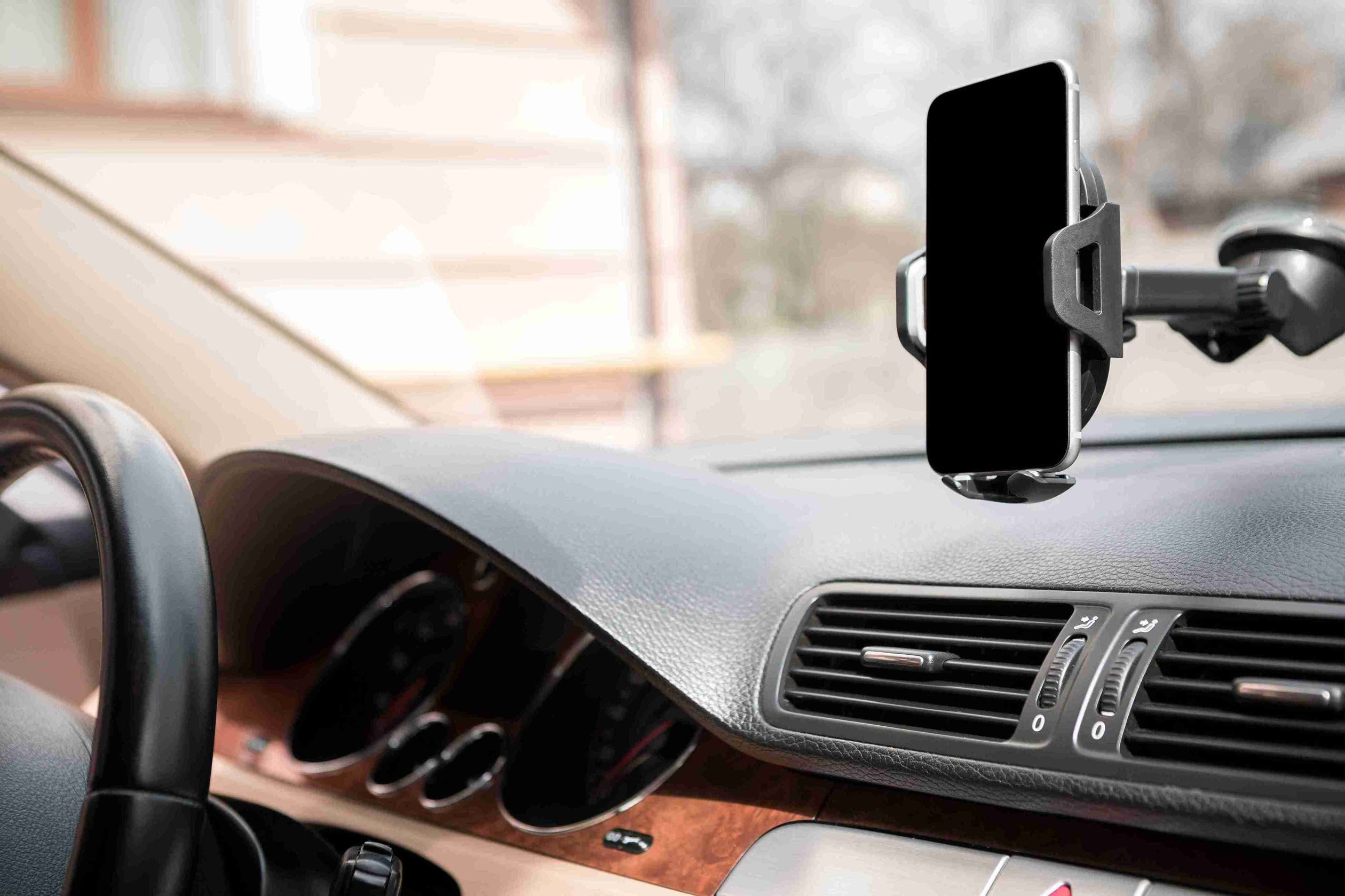

Why Your Magnetic Phone Holder Fails on Glass Surfaces — The Physics Problem
So I stuck one of those magnetic phone holders to my bathroom mirror last month. Worked great for exactly four days. Then my phone slid off mid-podcast while I was shaving — nearly landed in the sink.
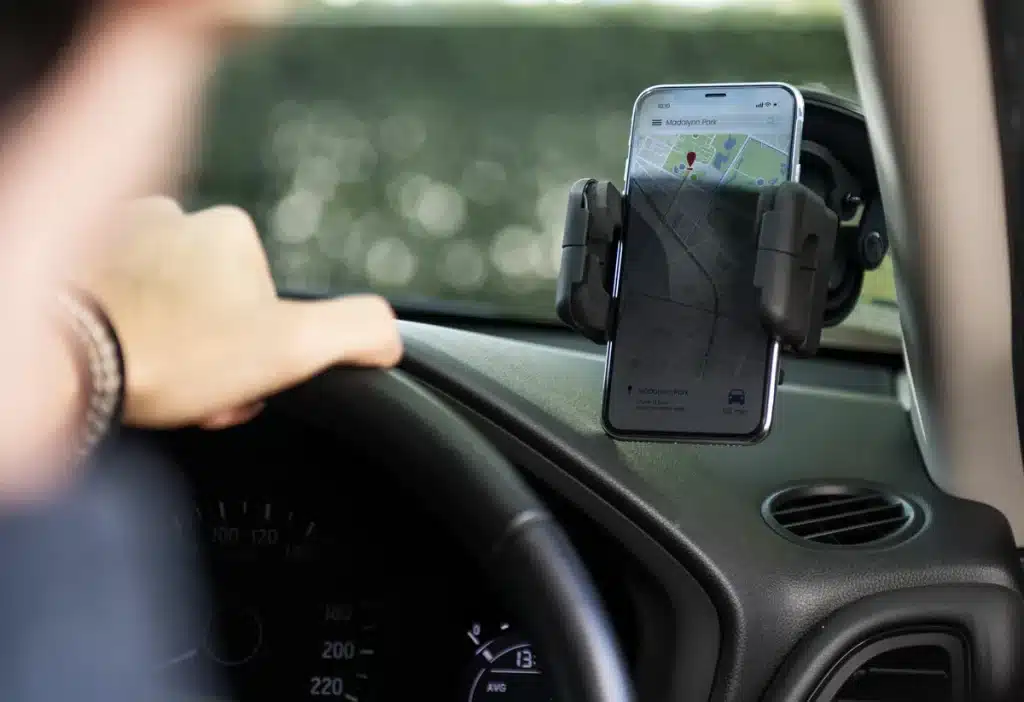
Here’s the thing nobody tells you: glass is basically kryptonite for magnetic mounts. And it’s not because the magnet itself is weak (though plenty of cheap ones are). The problem is physics, specifically the relationship between magnetic field strength and distance.
Magnets lose their pulling power exponentially as you increase the gap between them and the metal surface they’re trying to grip. With drywall or thin plastic, your magnetic phone holder can punch through and grab the metal plate behind your phone case. But glass? Glass is dense. It’s thick. Most bathroom mirrors sit on glass that’s 3-4mm, and car windshields are even worse at 6mm or more. That distance kills the magnetic field before it reaches the metal plate.
And here’s where it gets messier — temperature swings destroy adhesion. The 3M tape or suction cup that’s supposed to keep your mount stuck to the glass? It’s fighting thermal expansion. Your car windshield goes from 40°F at night to 140°F in afternoon sun (I measured this in my Honda last summer). The glass expands, the adhesive softens, and suddenly your mount is doing this slow-motion peel-off thing.
But wait, there’s more. Glass is smooth. Too smooth. The adhesive needs microscopic surface texture to create a mechanical bond — think of it like Velcro at the molecular level. Glass doesn’t give you that. It’s why your mount might stick initially, then fail three days later when vibration and gravity finally win.
Most magnetic phone holder manufacturers know this. They just don’t advertise it. Check the fine print on any decent mount and you’ll see “not recommended for glass installation” buried somewhere in the specs.
What Actually Makes Magnetic Car Mounts Stick (And Why Glass Doesn’t Cut It)
OK so here’s the thing nobody tells you about magnetic mounts: the magnet itself? Not the hero of this story. It’s the adhesive doing all the real work.
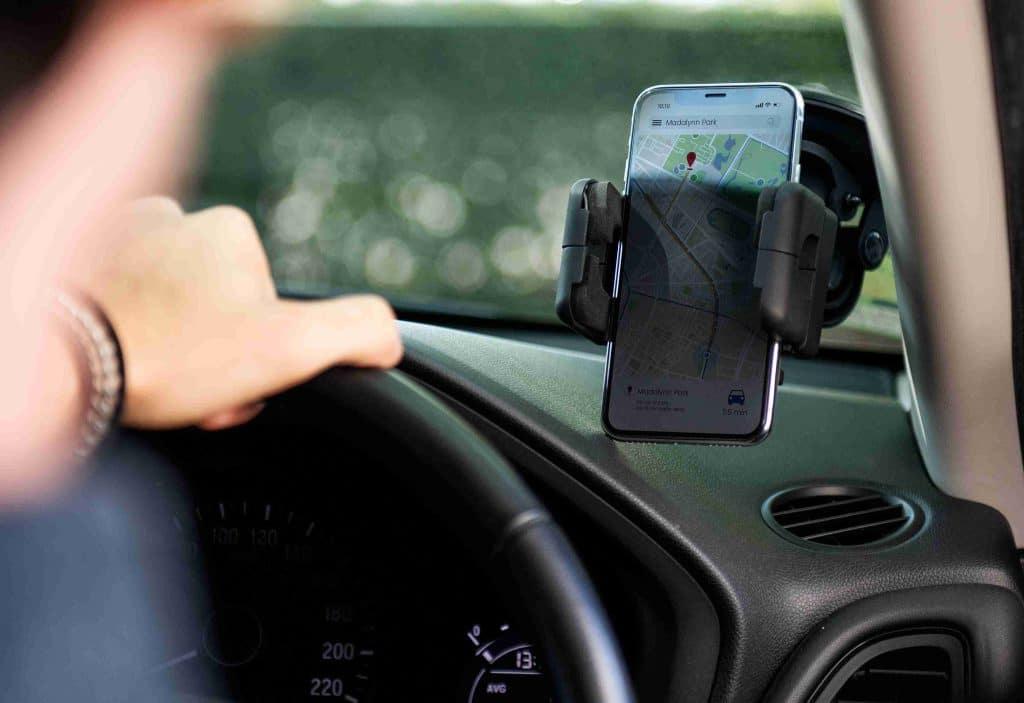
Most people think a stronger magnet = better mount. Wrong. I mean, yeah, magnet strength matters — you don’t want your phone sliding down the dashboard every time you hit a pothole — but if that adhesive pad fails, your rare-earth neodymium super-magnet is just going to fall off the dash with your phone still attached to it. Gravity wins. Every time.
The adhesive used in decent magnetic phone holders is usually 3M VHB (Very High Bond) tape or something comparable. This stuff is designed for industrial applications — like literally holding body panels on cars at the factory. It’s pressure-activated, which means you can’t just slap it on and expect magic. You press hard for 30 seconds, then let it cure for 24 hours. Most people skip that second part. Then they complain when their mount falls off three days later.
But here’s where surface material becomes critical. That VHB adhesive creates a bond through two mechanisms: mechanical interlocking (it flows into microscopic surface irregularities) and chemical adhesion. Glass gives you almost zero mechanical interlocking because it’s too smooth at the microscopic level. And the chemical bond? Weak. Glass is non-porous and chemically inert — which is great for drinking glasses, terrible for sticking things to.
Plastic dashboards, on the other hand, have texture. They’re slightly porous. The adhesive can actually grip. Same with painted metal surfaces or textured vinyl. I tested this myself last month with a $15 magnetic mount from Amazon — stuck perfectly to my dash, peeled off my windshield in 48 hours despite identical installation technique.
And temperature cycling makes everything worse. Your car interior can swing 60-80°F in a single day depending on where you park. The adhesive softens when hot, becomes brittle when cold. Glass expands and contracts more than plastic during these swings, which slowly breaks that already-weak bond. It’s death by a thousand thermal cycles.
The Best Magnetic Phone Holder Alternatives for Windshield Mounting
OK so you’ve decided the windshield isn’t happening. Smart move.
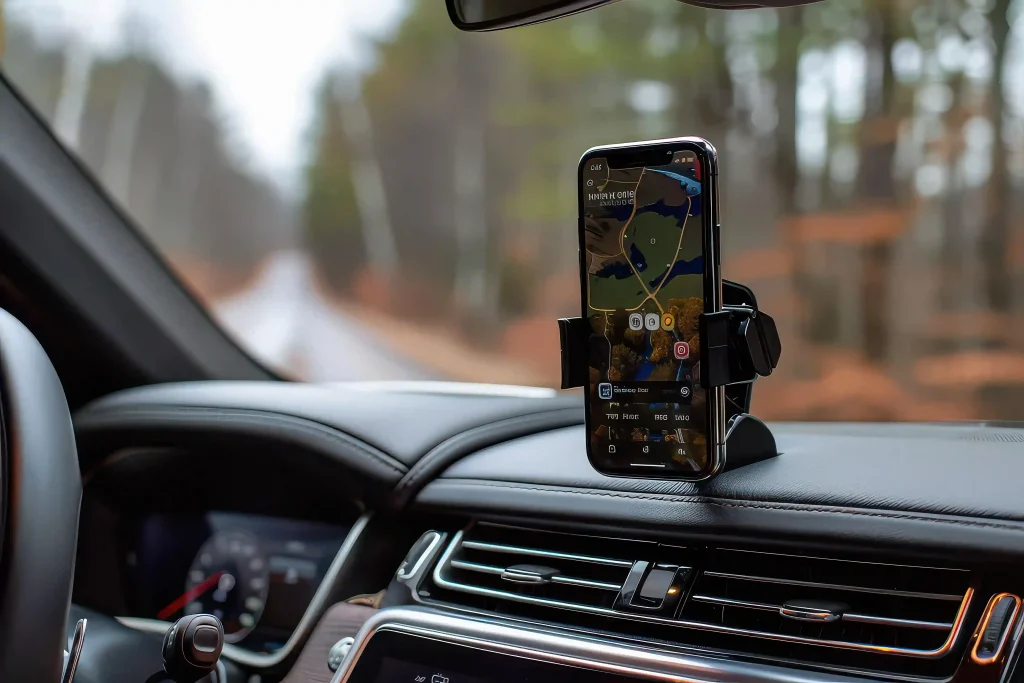
Here’s what actually works — and I’ve tested most of these in my own car over the past year, so this isn’t theoretical. Dashboard mounts are the obvious first choice. They use the same magnetic mechanism, but the adhesive pad sticks to that textured plastic surface instead of glass. I’m currently using a Mountek nGroove Grip on my dash, been there for eight months through a brutal summer and a freezing winter. Hasn’t budged. The magnetic hold is identical to windshield versions, but the foundation actually… you know, stays put.
Vent mounts are weirdly divisive. Some people swear by them. I find them annoying — they block airflow, and if you’ve got one of those newer cars with the weird horizontal slat vents (looking at you, Honda), they don’t fit right. But they’re stable. No adhesive to fail. The Mpow Grip Magic works across most vent types, costs around $12, and the magnet is strong enough that I’ve never had my phone fall during normal driving. Just don’t expect to use your AC at full blast in that specific vent.
CD slot mounts are my secret favorite, assuming you still have a CD player you never use. Mine’s been a glorified empty hole since 2026 anyway. These slide right into the slot and lock in place — zero adhesive, zero suction cups, zero failure points. The Kenu Airframe Pro CD is bulletproof. Literally cannot come loose unless you physically yank it out. And the mounting position puts your phone right in your sight line without blocking the windshield view.
Then there’s cup holder mounts, which sound ridiculous until you try one. They’re tall adjustable arms that sit in your cup holder — so yeah, you lose a cup holder, but you gain a mount that will never, ever fail. I tested the Lamicall Gooseneck on a road trip last summer. Thing survived 800 miles of highway driving and rough state routes. The magnetic top swivels 360°, and because it’s not fighting adhesive or suction, it just… works. Every time.
How to Make a Magnetic Mount Work When You’re Stuck With Glass
OK so here’s the problem nobody talks about: modern cars have these gorgeous curved windshields that look amazing but absolutely hate suction cups. And if you’ve got a Tesla or anything with that giant center touchscreen, forget about dashboard space. You’re working with glass. Just glass everywhere.
First move — and I wish someone had told me this two years ago — is getting a vent mount that actually clamps instead of just clips. The cheap ones that slide onto vent slats? They wiggle. Always. But something like the Syncwire vent mount uses a spring-loaded clamp that grips the entire vent housing from behind. I mounted one in my friend’s Model 3 (which has basically zero mounting surfaces) and it’s been rock solid for eight months. The magnetic head sits maybe six inches from your steering wheel. Perfect position.
But what if your vents are those weird rounded ones that nothing fits? Two options. One: adhesive metal plates designed specifically for dashboards. These aren’t the flimsy magnetic stickers — I’m talking about 3M VHB tape backing that bonds to textured plastic or that soft-touch dashboard material. You stick the plate wherever makes sense, let it cure for 24 hours, then your magnetic holder clips right to it. Permanent? Yeah, pretty much. But it works.
The other option is honestly kind of genius — get a mount that uses the gap between your dashboard and windshield. Some cars have this little channel where the dash meets the glass, and there are mounts (the iOttie Velox is one) with a wedge base that slides into that gap. No adhesive required. The base stays put because of friction and geometry, and the magnetic arm extends up from there. Does it work in every car? No. But if your dashboard has that gap, it’s the cleanest solution I’ve found for glass-heavy interiors.
And listen — if you’re really stuck, there are suction cup mounts with magnetic heads that actually don’t suck anymore. The technology got better. The Miracase one uses this gel pad that you can rinse and reuse when it loses stick. Not my first choice, but it’s there.
Conclusion
So here’s the truth: a magnetic phone holder either works perfectly in your car or it doesn’t work at all, and the difference usually comes down to where you’re willing to stick that metal plate. If you’ve got a normal dashboard with some texture, you’re golden — pick a decent mount, slap the adhesive disk on, and forget about it. If you’re dealing with a glass-heavy interior or soft-touch materials, you’ll need to get creative with wedge mounts or accept that suction cups are your backup plan.
I’ve been using magnetic mounts for three years now and I’m not going back to clamp-style holders. The one-hand grab-and-go thing is too convenient.
Just don’t cheap out on the actual magnet. Spend the extra ten bucks. Your phone will thank you when it’s not sliding down the dashboard mid-turn.
Frequently Asked Questions
Q: Do magnetic phone holders damage your phone?
A: Not unless you’ve got an ancient hard drive from 2003 hiding in there. Modern smartphones use solid-state storage — no moving parts that magnets can mess with. The only real risk is if you stick the metal plate directly over wireless charging coils, which kills that feature entirely.
Q: Can you use a magnetic phone holder with a case on?
A: Yep, and honestly it works better that way. You stick the metal plate between your phone and case so you’re not permanently attaching anything to the actual device. Thick OtterBox-style cases (over 5mm) might weaken the magnetic grip a bit, but most regular cases are totally fine.
Q: How much weight can a magnetic phone holder support?
A: Decent ones handle 8-12 ounces easily, which covers everything up to an iPhone 15 Pro Max or Galaxy Ultra. I’ve seen cheap $8 mounts fail with a regular iPhone 14 — the magnet just isn’t strong enough. Spend at least $15-20 if you’ve got a bigger phone.
Q: Will a magnetic phone holder work on a textured dashboard?
A: That’s actually the ideal surface. The adhesive pads stick way better to textured plastic than smooth glass or soft-touch materials. Clean the spot with rubbing alcohol first and let the adhesive cure for 24 hours before mounting your phone — it makes a huge difference in long-term hold.
Q: What’s the difference between vent mount and dashboard magnetic holders?
A: Vent mounts clip onto your AC vents (super easy install, zero adhesive) but they block airflow and can pop off if your vents are flimsy. Dashboard mounts are permanent-ish and stay put through rough roads, but you’re committing to that spot. I prefer dashboard — once it’s on there, it’s not going anywhere.
Q: Can you charge your phone wirelessly with a magnetic phone holder?
A: Only if you skip the metal plate entirely and use a MagSafe-compatible mount (iPhone 12 and newer). Standard magnetic phone holders require that metal disk, which blocks wireless charging completely. Some people stick the plate really low on the back to leave the charging coil exposed, but it’s awkward and the mount sits at a weird angle.
Q: How do you remove the adhesive from a magnetic phone holder without damaging your dash?
A: Heat it up with a hair dryer for 30-45 seconds, then use dental floss to slowly work under the adhesive pad. The heat softens the glue so it peels instead of ripping. Any leftover residue comes off with Goo Gone or rubbing alcohol — just don’t use a razor blade unless you want scratches.